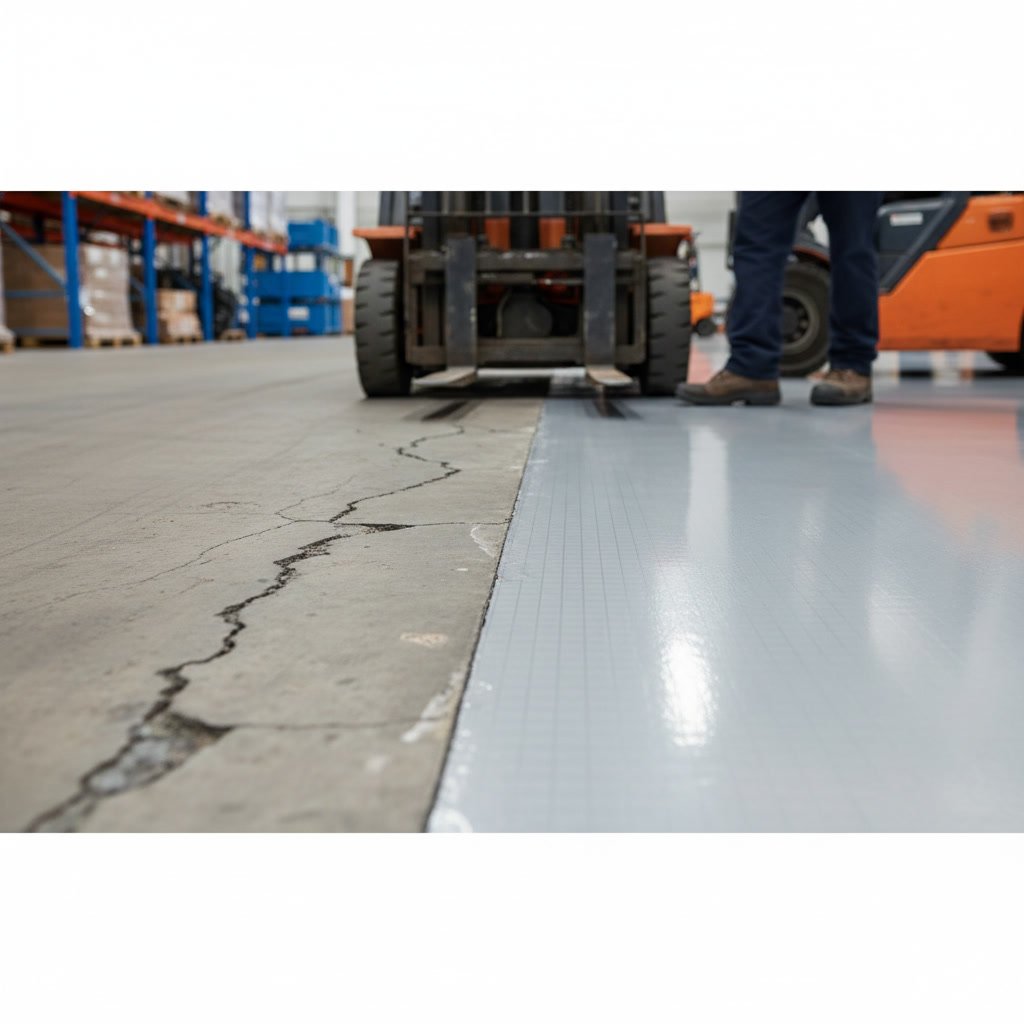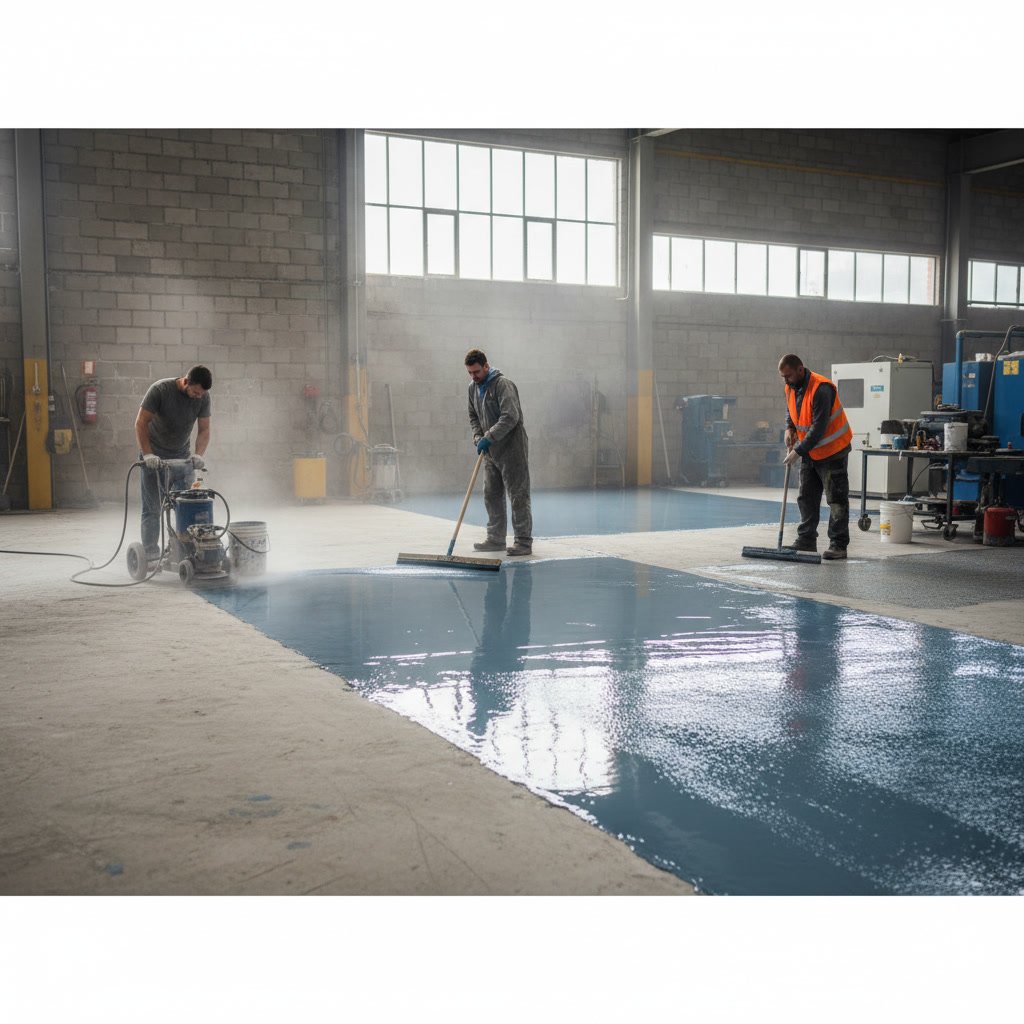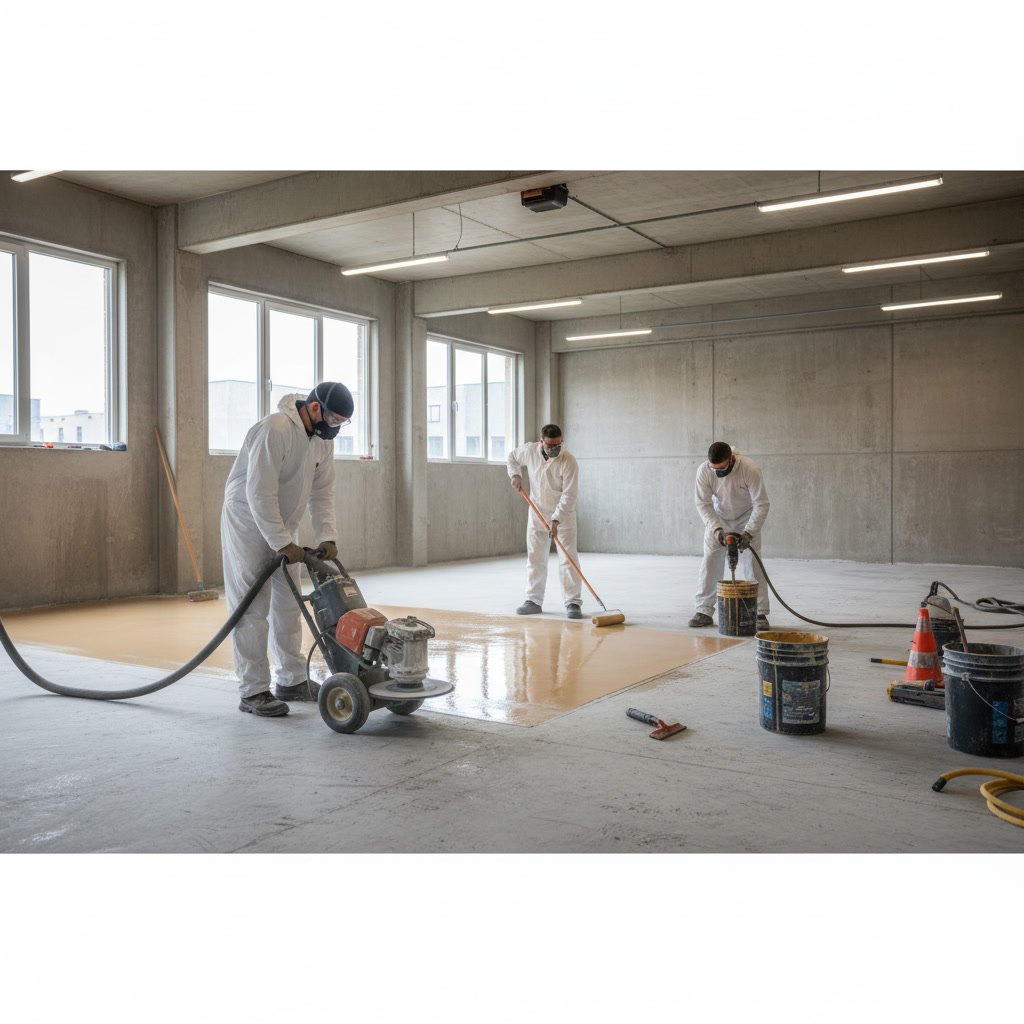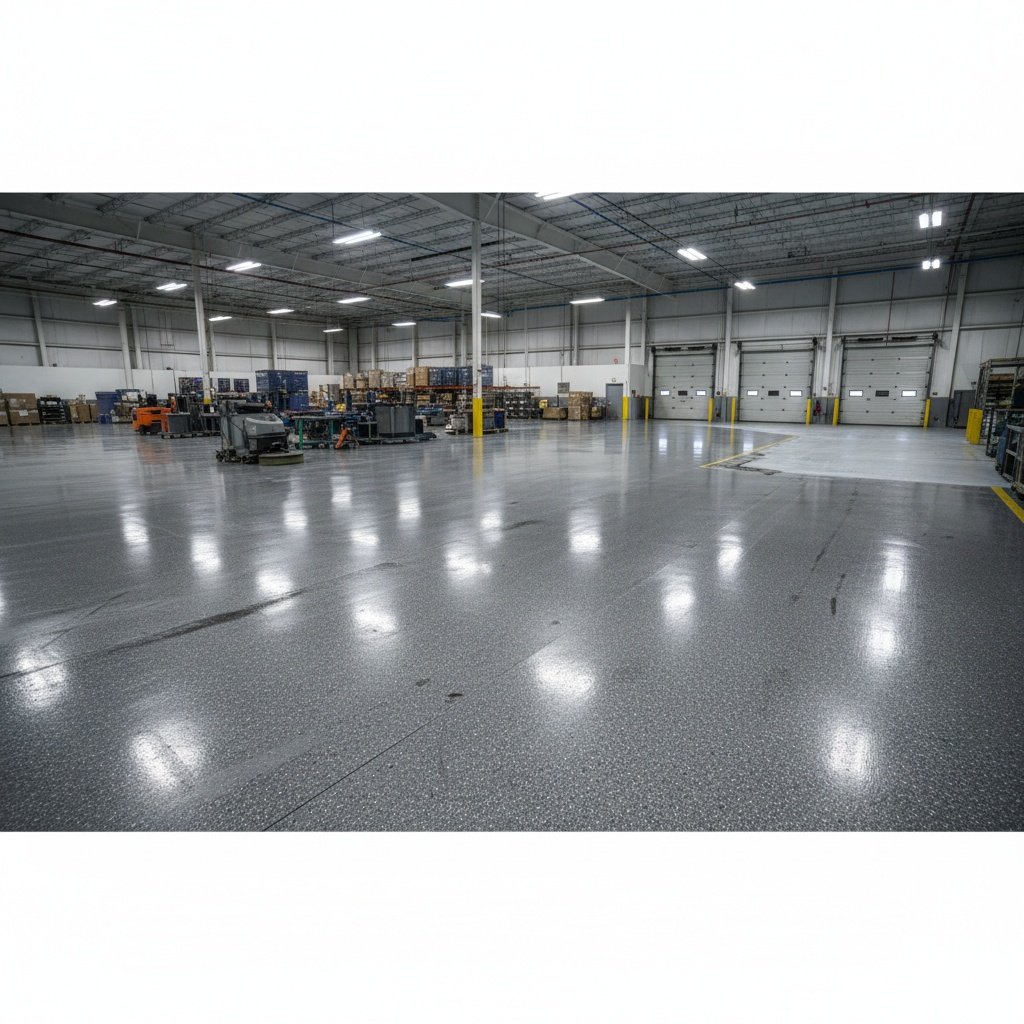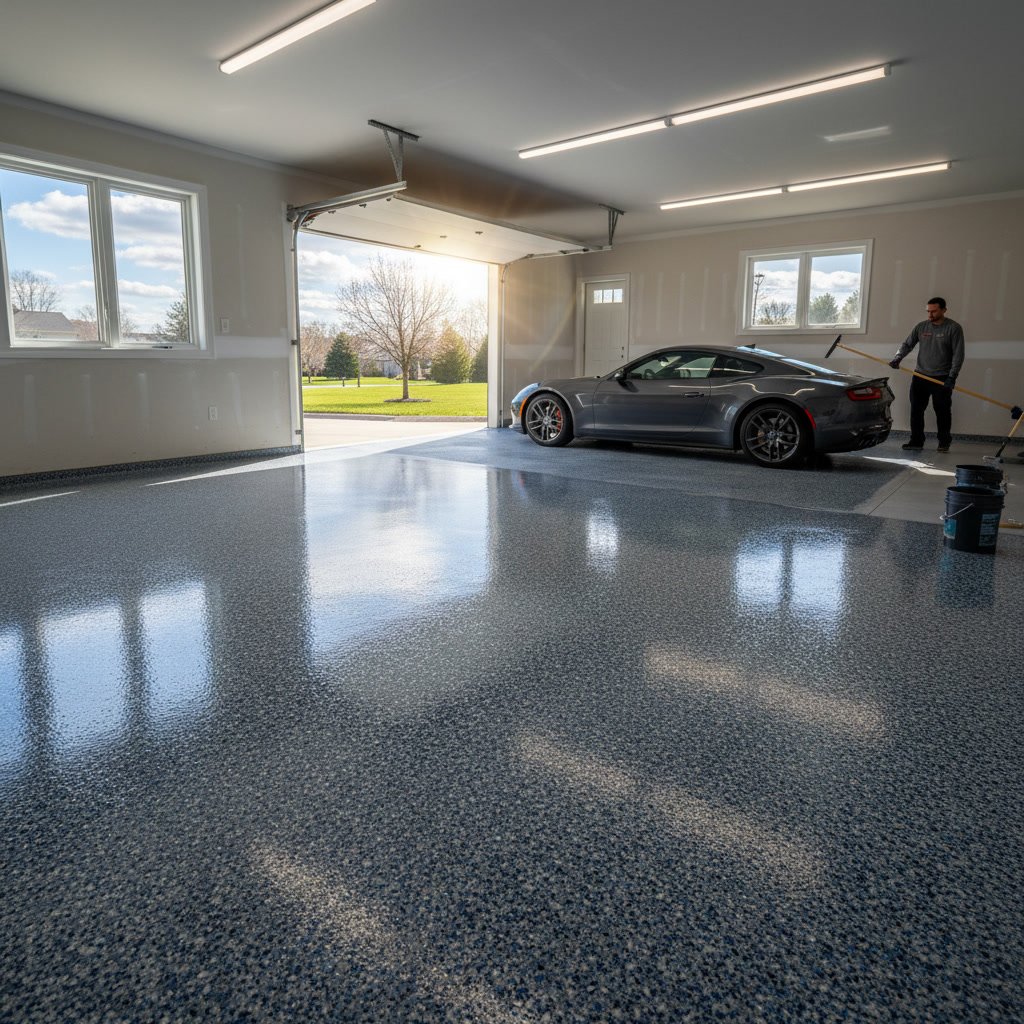
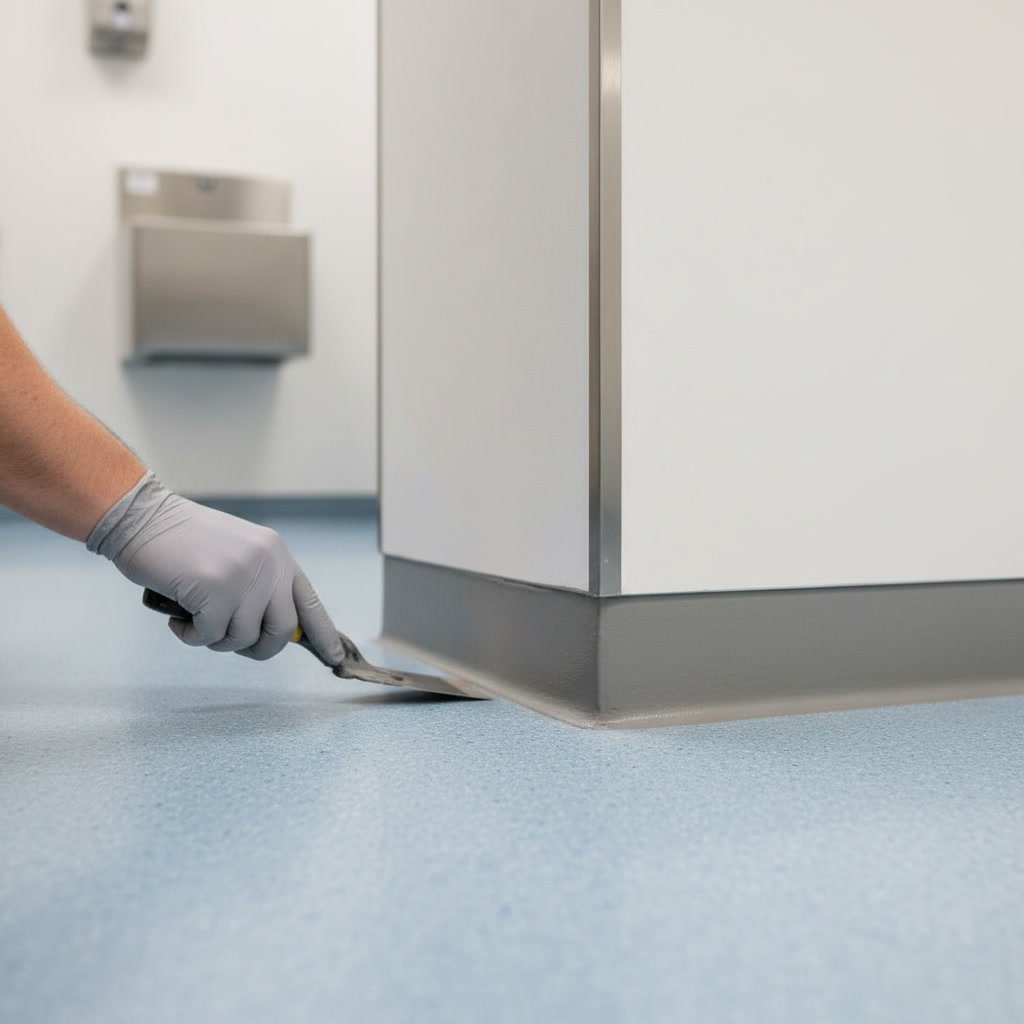
Commercial restrooms and healthcare facilities face unique challenges when it comes to floor-to-wall transitions. Water pooling, bacterial growth, and difficult-to-clean corners create serious hygiene problems. Proper cove base installation solves these issues by creating a seamless, curved transition between the floor and wall that prevents moisture intrusion and simplifies sanitation protocols.
This comprehensive guide examines the specific requirements for cove base installation in commercial restrooms and hospitals, including code compliance, material selection, proper dimensions, and installation methods that ensure long-term performance.
Why Cove Base Installation Is Required in Healthcare and Commercial Settings
Health codes and building standards mandate cove base in specific commercial applications for good reason. The curved, seamless transition eliminates the 90-degree angle where floors meet walls, removing the corner that traps moisture, debris, and bacteria.
In hospitals and medical facilities, infection control depends on surfaces that can be thoroughly cleaned and disinfected. Traditional square corners create hiding spots for pathogens that standard mopping cannot reach. A properly installed cove base extends the floor surface up the wall, typically 4 to 6 inches, creating a continuous, washable surface.
Commercial restrooms in schools, office buildings, and public facilities face similar challenges. High traffic, frequent wet cleaning, and the need for quick turnaround times between cleanings make cove base installation a practical necessity rather than just a code requirement.
Pro Tip: Cove base must be monolithic with the floor coating system to prevent delamination. The base and floor should be installed as part of the same application whenever possible.
Building codes vary by jurisdiction, but most reference standards from the International Building Code (IBC), FDA Food Code for healthcare facilities with food service, and local health department regulations. These typically require cove base in patient rooms, operating rooms, laboratories, commercial kitchens, public restrooms, and locker rooms.
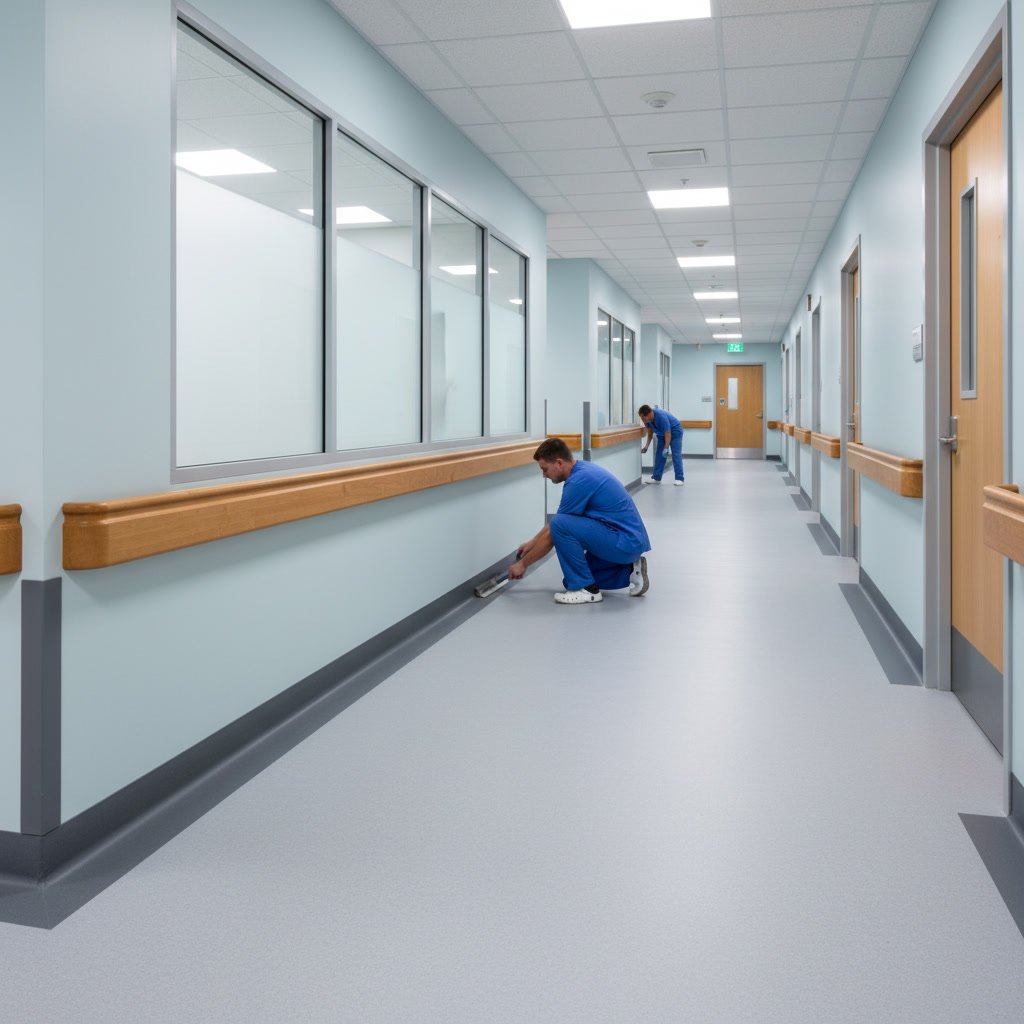
Material Selection for Healthcare and Restroom Cove Base
Not all cove base materials meet the demanding requirements of healthcare and commercial restroom environments. The material must resist chemical cleaners, withstand thermal shock from hot water cleaning, prevent microbial growth, and maintain structural integrity under constant moisture exposure.
Epoxy Cove Base Systems
Epoxy coatings remain the most common choice for hospital and commercial restroom applications. These systems create a chemical bond with properly prepared concrete, forming a monolithic surface that eliminates seams and joints where bacteria can harbor.
100% solids epoxy formulations provide the best performance. These contain no solvents or water, curing to a dense, non-porous finish that resists staining and chemical attack. Typical film thickness ranges from 60 to 125 mils, providing sufficient body to create the cove profile while maintaining durability.
Antimicrobial additives can be incorporated into epoxy systems for enhanced infection control. These additives inhibit bacterial growth on the surface between cleaning cycles, particularly valuable in patient care areas and immunocompromised environments.
Polyurethane and Hybrid Systems
Polyurethane and polyaspartic systems offer advantages in specific applications. These materials cure quickly, allowing faster return to service. A urethane top coat over an epoxy base provides enhanced chemical resistance and UV stability in areas with natural light exposure.
Polyurea systems excel in areas requiring extreme chemical resistance or rapid installation timelines. These materials cure in hours rather than days, minimizing facility downtime. However, they require specialized application equipment and experienced installers.
Urethane Cement for Extreme Conditions
Facilities with extreme thermal cycling or heavy chemical exposure benefit from urethane cement cove base. These cement-based systems tolerate temperatures from -40°F to 250°F and resist aggressive chemicals, acids, and caustics that would degrade standard epoxy.
Urethane cement creates a slightly textured surface that provides slip resistance even when wet. The material is particularly suited to hospital kitchens, laboratory wash areas, and sterile processing departments where hot water cleaning and harsh disinfectants are routine.
Critical Dimensions and Profile Requirements
Code requirements and practical performance dictate specific dimensions for cove base installation. These standards ensure the cove can be effectively cleaned and provides adequate protection against moisture intrusion.
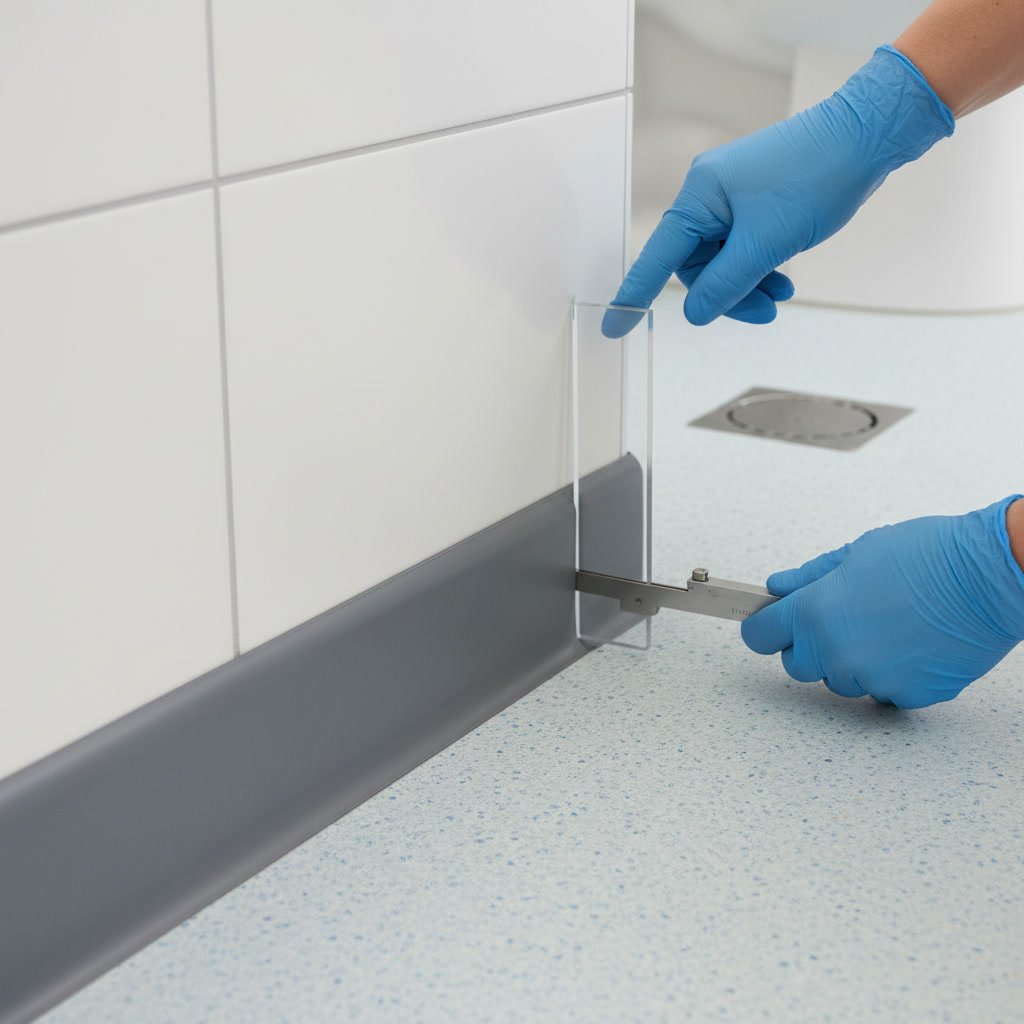
Standard cove base height ranges from 4 to 6 inches, measured from the finished floor surface. Healthcare facilities typically specify 6-inch coves for patient rooms, operating suites, and critical care areas. Public restrooms commonly use 4-inch coves unless local codes require greater height.
The radius of the cove curve typically measures 1 to 2 inches. A tighter radius is harder to form and clean, while larger radii consume excessive floor space. Most specifications call for a 1.5-inch radius as the optimal balance between cleanability and space efficiency.
Wall extension requirements vary by application. Minimum wall coverage equals the cove height, but many facilities extend the coating system 12 to 48 inches up the wall for splash protection. Full wall coverage is common in shower areas, janitorial closets, and equipment wash rooms.
Key Takeaway: Maintain consistent cove dimensions throughout the facility. Variations in height or radius create cleaning challenges and visual inconsistency.
Surface Preparation and Substrate Requirements
Successful cove base installation begins with proper substrate preparation. Both floor and wall surfaces must be structurally sound, free from contamination, and profiled to accept the coating system.
Concrete surfaces require mechanical preparation through concrete grinding, shot blasting, or scarification. This removes surface laitance, opens the concrete pores, and creates the surface profile necessary for mechanical bonding. ICRI CSP 2 to CSP 3 profiles are typical for epoxy cove base applications.
Existing wall coatings, tile, or paint must be removed in the cove area to ensure proper adhesion. Coating over existing finishes creates a weak link prone to delamination under the stress of thermal cycling and moisture exposure. The wall surface should be profiled to match the floor preparation.
Moisture testing is critical in below-grade applications and areas with known water intrusion issues. Calcium chloride tests or relative humidity probes identify problematic moisture vapor transmission. Readings above 3 pounds per 1,000 square feet per 24 hours typically require moisture mitigation before coating installation.
Existing substrate damage must be repaired before cove installation. Cracks, spalls, and joint deterioration telegraph through coating systems, creating failure points. Repairs should use patching materials compatible with the coating system and cure fully before coating application begins.
Installation Methods and Best Practices
Professional cove base installation follows systematic procedures that ensure proper profile formation, adequate material thickness, and complete surface coverage without voids or thin spots.
Cove Forming Techniques
Preformed cove base uses factory-made rubber or PVC strips mechanically fastened to the wall before coating application. These strips create consistent radius and height but introduce seams that require careful detailing. The coating system must fully encapsulate the strip to prevent moisture intrusion behind the form.
Trowel-applied cove base offers complete monolithic construction without seams. Installers build the cove profile using the coating material itself, troweled against a temporary form or freehand by experienced applicators. This method requires skill but produces superior long-term performance.
Hybrid methods combine preformed foam or reusable plastic forms with coating material. The form creates the profile shape while the coating bonds directly to the substrate. Forms are removed after initial cure, leaving a smooth, seamless cove.
Multi-Coat Application
Most specifications require multiple coating passes to achieve required film thickness and complete coverage. A typical sequence includes a primer coat for substrate adhesion, a body coat to build film thickness and form the cove profile, and a finish coat for surface properties and appearance.
Primer selection depends on substrate porosity and moisture conditions. Moisture-tolerant primers are essential in healthcare facilities where water exposure is constant. Some systems use a high-solids epoxy prime coat while others specify penetrating sealers that don’t build film thickness.
The body coat builds the cove profile and provides bulk material thickness. This coat may be applied in one or two passes depending on the total thickness requirement. Material must be worked thoroughly into the cove radius to prevent voids and ensure complete wall contact.
Finish coats provide the final surface properties including chemical resistance, cleanability, and slip resistance. Broadcast finishes with quartz or aluminum oxide add texture for slip resistance in wet areas. Smooth finishes simplify cleaning but may require additional slip-resistant treatments.
Quality Control During Installation
Wet film thickness gauges verify proper material application rates. Installers should check thickness at multiple points, particularly in the cove radius where material tends to sag or run. Specified dry film thickness requires applying proportionally thicker wet film to account for solvent loss and cure shrinkage.
Temperature and humidity monitoring ensures coating application occurs within manufacturer specifications. Most epoxy systems require substrate temperatures between 50°F and 90°F with relative humidity below 85%. Deviations from these parameters can cause blushing, slow cure, or adhesion failure.
Proper curing time between coats prevents solvent entrapment and intercoat adhesion issues. Recoat windows vary by product, but generally range from 8 to 24 hours. Exceeding the maximum recoat window may require surface abrasion to reestablish mechanical bonding.
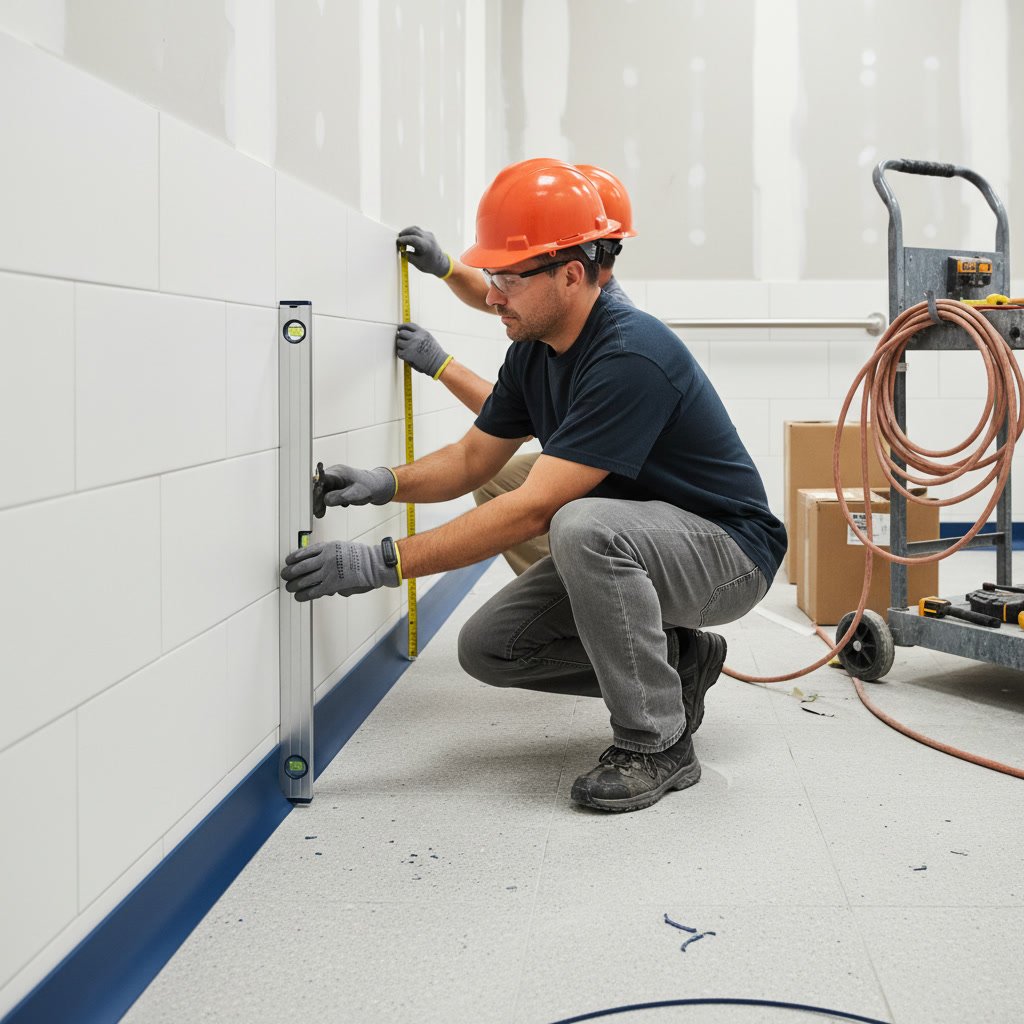
Code Compliance and Inspection Requirements
Healthcare facilities and commercial buildings undergo regular inspections by health departments, Joint Commission surveyors, and building officials. Cove base installation must meet specific criteria to pass these inspections.
The Americans with Disabilities Act (ADA) does not specifically mandate cove base but does require accessible, maintainable facilities. Inspectors look for floor surfaces that can be effectively cleaned without harboring contaminants. Properly installed cove base supports ADA compliance by eliminating cleaning difficulties.
Health department regulations typically require impervious, easily cleanable surfaces in healthcare and food service areas. Cove base must extend to heights that prevent splash contamination and allow effective wet cleaning. Most jurisdictions require 6-inch minimum height in patient care areas and 4 inches in public restrooms.
Joint Commission standards for hospitals include environment of care requirements that address floor and wall finishes. Surveyors assess whether surfaces can be cleaned and disinfected according to infection control protocols. Cove base must be continuous, intact, and free from cracks or separations.
Documentation requirements include product data sheets, installation records, and warranty information. Facilities should maintain records showing coating system composition, installation dates, and maintenance schedules. This documentation demonstrates due diligence during inspections and supports warranty claims if issues arise.
Maintenance and Long-Term Performance
Even the best cove base installation requires proper maintenance to deliver expected service life. Appropriate cleaning protocols and periodic inspections prevent minor issues from becoming major failures.
Daily cleaning should use pH-neutral cleaners that don’t attack the coating system. Strongly alkaline or acidic cleaners can etch epoxy surfaces over time, creating roughness that harbors bacteria. Quaternary ammonium or hydrogen peroxide-based disinfectants provide effective sanitization without coating damage.
Avoid abrasive cleaning tools that scratch the surface. Soft-bristle brushes or microfiber mops effectively clean cove base without creating surface defects. Automated scrubbing equipment should use appropriate pad types specified for coated floors.
Inspect cove base quarterly for signs of wear, damage, or delamination. Early detection of small issues allows spot repairs before extensive coating failure occurs. Look for discoloration, bubbling, or lifting at edges where moisture intrusion typically begins.
Recoating schedules depend on traffic levels and cleaning frequency. High-use hospital restrooms may require topcoat renewal every 3 to 5 years, while lower-traffic areas can extend 7 to 10 years before recoating. Proper maintenance extends these intervals significantly.
Pro Tip: Establish a maintenance log documenting cleaning procedures, products used, and any observed damage. This record helps identify problematic cleaning practices and supports warranty claims.
Common Installation Mistakes to Avoid
Several recurring errors compromise cove base performance. Understanding these pitfalls helps facility managers specify and oversee successful installations.
Inadequate surface preparation causes most coating failures. Attempting to install cove base over contaminated, weak, or improperly profiled substrates creates a system destined for early failure. The time and cost invested in thorough preparation always proves worthwhile compared to premature replacement.
Insufficient material thickness leaves the coating vulnerable to wear-through and chemical attack. Thin spots in the cove radius are particularly problematic, as this area receives concentrated stress from cleaning tools and water flow. Always verify wet film thickness during application.
Incompatible coating systems create adhesion problems between layers. Mixing products from different manufacturers or using incompatible primer and topcoat combinations can result in delamination. Follow manufacturer system recommendations exactly.
Poor cove profile formation creates cleaning difficulties and water collection points. Irregular radius, inconsistent height, or abrupt transitions defeat the purpose of cove base installation. Use proper forming techniques and skilled applicators to achieve uniform results.
Rushing cure times between coats traps solvents and prevents proper crosslinking. While pressure to minimize downtime is understandable, shortcuts during installation create long-term problems. Facilities should plan installations during low-use periods allowing adequate cure time.
Selecting the Right Contractor for Your Facility
Successful cove base installation requires experienced contractors familiar with healthcare and commercial requirements. Not all flooring contractors possess the specialized knowledge needed for these demanding applications.
Look for contractors with documented healthcare facility experience. Ask for references from hospitals, medical offices, or large commercial buildings with similar requirements. Visit completed projects to assess workmanship quality firsthand.
Verify that contractors understand and follow infection control protocols required in healthcare settings. This includes proper containment of work areas, dust control during preparation, and coordination with facility infection prevention staff.
Confirm that proposed products meet applicable codes and standards. Request product data sheets, test reports, and compliance documentation. Healthcare facilities should verify that products meet VOC limits and do not off-gas problematic compounds during cure.
Review warranty terms carefully. Comprehensive warranties should cover both materials and labor, with clear terms defining coverage and exclusions. Understand maintenance requirements that must be followed to maintain warranty validity.
For facilities in New Jersey, New York, and surrounding areas, working with a contractor experienced in local code requirements ensures smooth inspections and approvals.
Frequently Asked Questions
What is the minimum cove base height required in hospital restrooms?
Most health codes require a minimum 6-inch cove base height in hospital patient rooms and critical care areas, though some jurisdictions accept 4 inches in non-patient public restrooms. Always verify local requirements with your health department or building official. The cove should extend high enough to allow effective wet cleaning without water contacting unprotected wall surfaces.
Can cove base be installed over existing ceramic tile?
Installing cove base over ceramic tile is not recommended for healthcare or commercial restroom applications. Tile creates a weak substrate prone to delamination under moisture exposure and thermal cycling. Best practice requires complete tile removal, substrate repair, and proper surface profiling before coating installation. This ensures the cove base bonds directly to the structural concrete for maximum durability.
How long does cove base installation take and when can the area be used?
Installation timeline depends on room size, substrate condition, and coating system selected. Typical installations require 3 to 5 days including surface preparation, multiple coating applications, and cure time. Some polyaspartic coating systems allow return to service in 24 hours. Plan for 7 days from start to full cure for standard epoxy systems to ensure optimal performance and chemical resistance.
What cleaning products are safe for epoxy cove base?
pH-neutral cleaners provide effective sanitization without damaging epoxy coatings. Quaternary ammonium compounds, hydrogen peroxide-based disinfectants, and EPA-registered hospital disinfectants are generally safe when used at recommended dilutions. Avoid highly alkaline degreasers, phenolic compounds, and cleaners containing methylene chloride or other strong solvents. Always test new cleaning products in an inconspicuous area before facility-wide use.
Does cove base installation require special waterproofing in shower areas?
Shower areas and other continuous wet environments require enhanced waterproofing coating systems beyond standard cove base. These applications typically use polyurea or specialized epoxy formulations designed for immersion service. The coating system must extend full-height on walls, include proper slope to drains, and incorporate seamless transitions at penetrations. Consult with experienced contractors to ensure the system meets the specific demands of continuous water exposure.
Making the Right Choice for Your Facility
Proper cove base installation protects your facility investment while supporting infection control and maintenance efficiency. The requirements for commercial restrooms and hospitals demand careful material selection, skilled installation, and ongoing maintenance to deliver long-term performance.
Whether you manage a hospital, medical office, school, or commercial building in Manhattan, Long Island, or throughout the tri-state area, Alliance Epoxy Flooring Corp provides expert cove base installation that meets the most demanding code requirements and performance standards. Our team brings decades of healthcare and commercial facility experience to every project.
Contact Alliance Epoxy Flooring Corp at +18005189080 to discuss your cove base installation requirements. We provide detailed specifications, code compliance assistance, and installation scheduling that minimizes disruption to your facility operations.