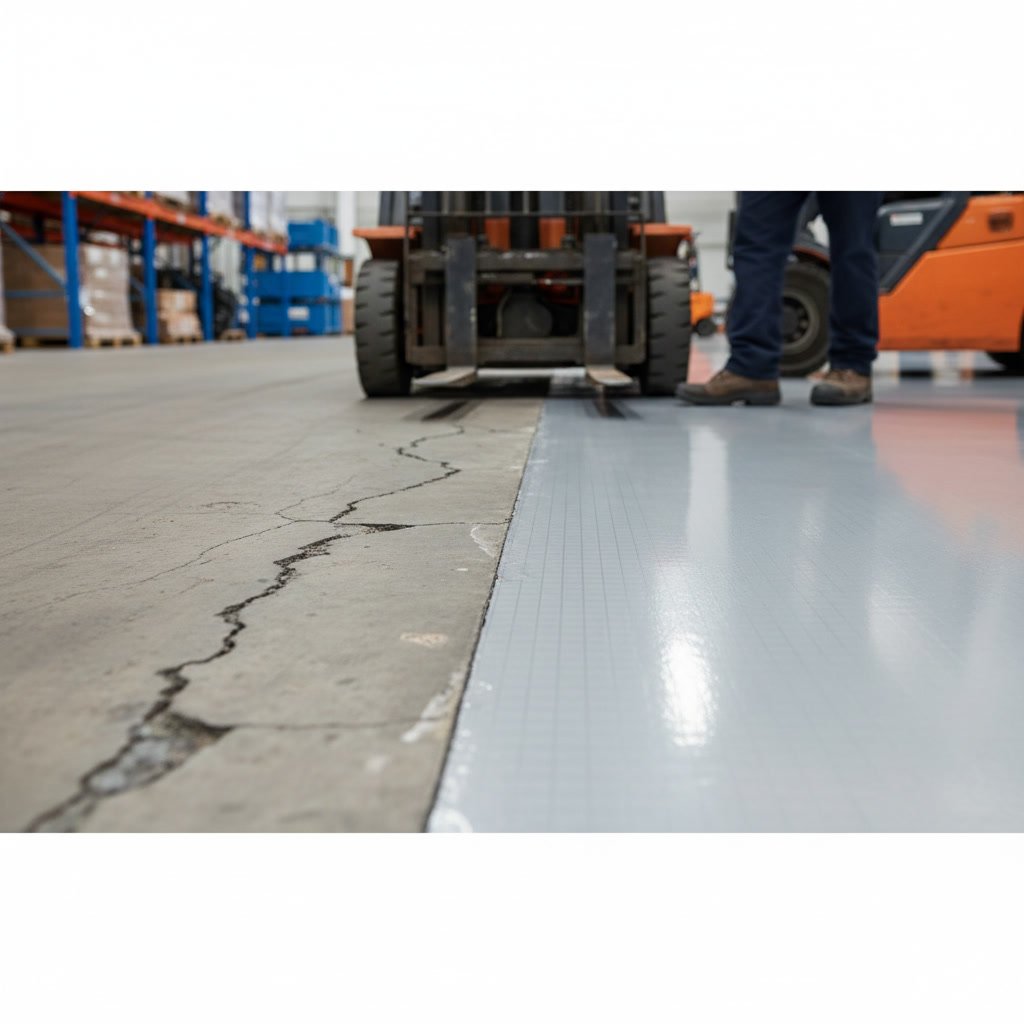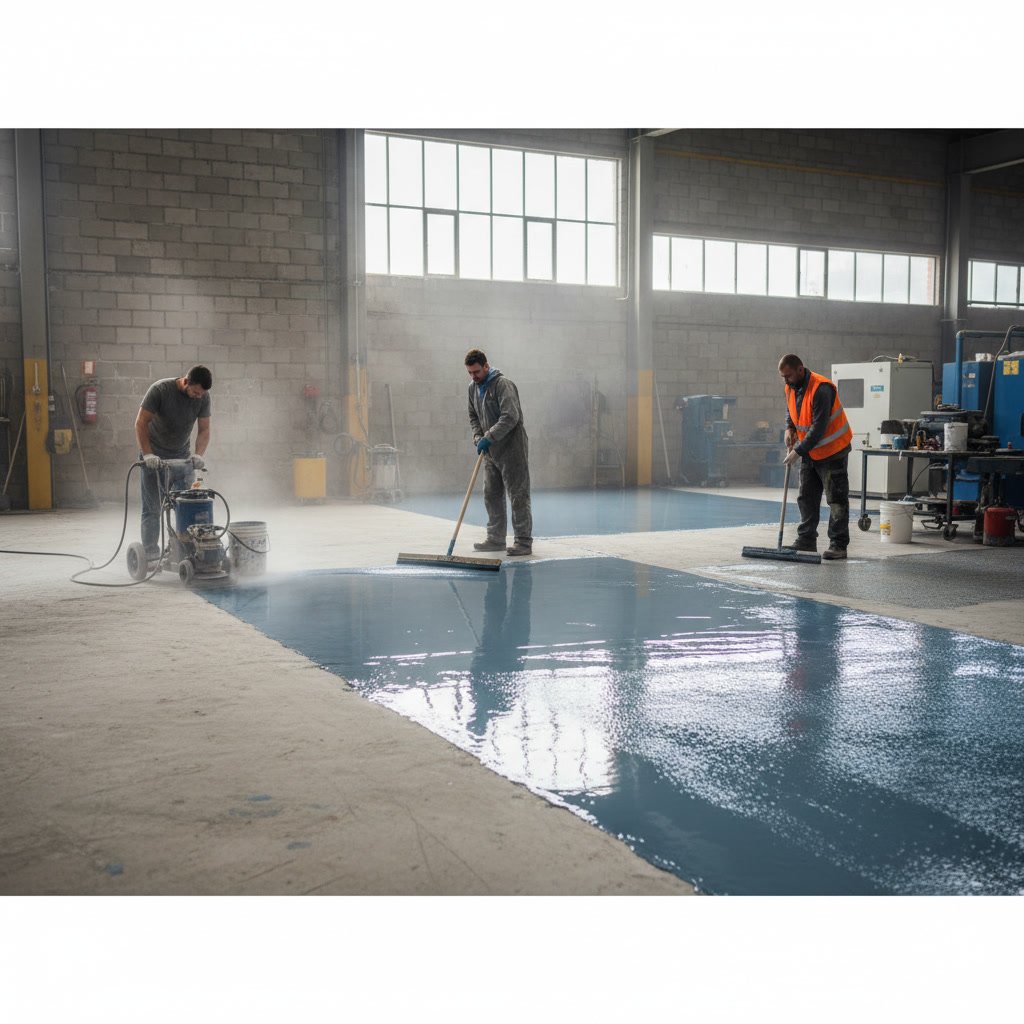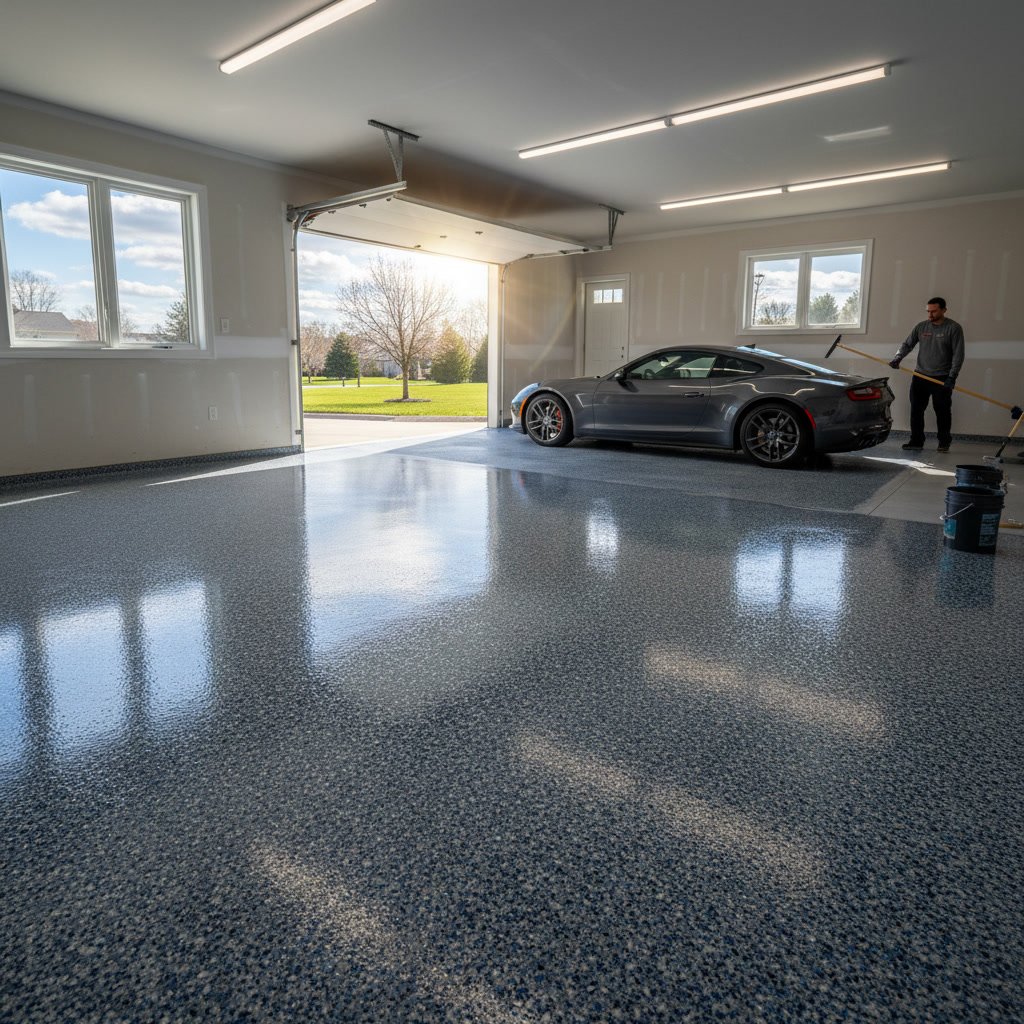
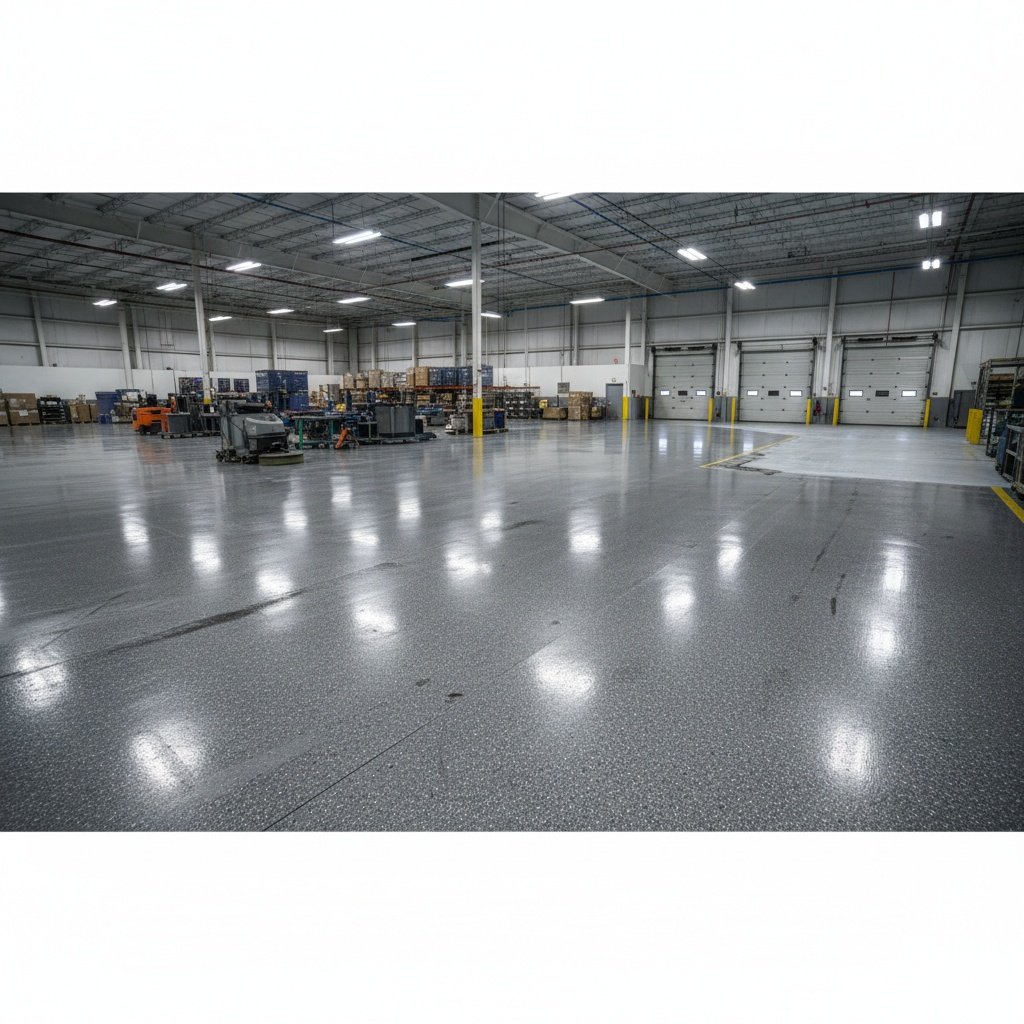
Epoxy flooring in commercial and industrial environments typically lasts 10 to 20 years or more when installed correctly and maintained properly. The actual lifespan depends on factors such as substrate preparation, coating thickness, traffic volume, exposure to chemicals, and regular cleaning protocols. High-traffic warehouses with proper maintenance often see systems lasting 15 years, while lighter-use retail spaces can exceed 20 years without major repairs.
Understanding how long does epoxy flooring last requires examining the variables that affect durability in real-world conditions. A properly specified system in a commercial kitchen differs significantly from one designed for a warehouse loading dock.
Why Substrate Preparation Determines Long-Term Performance
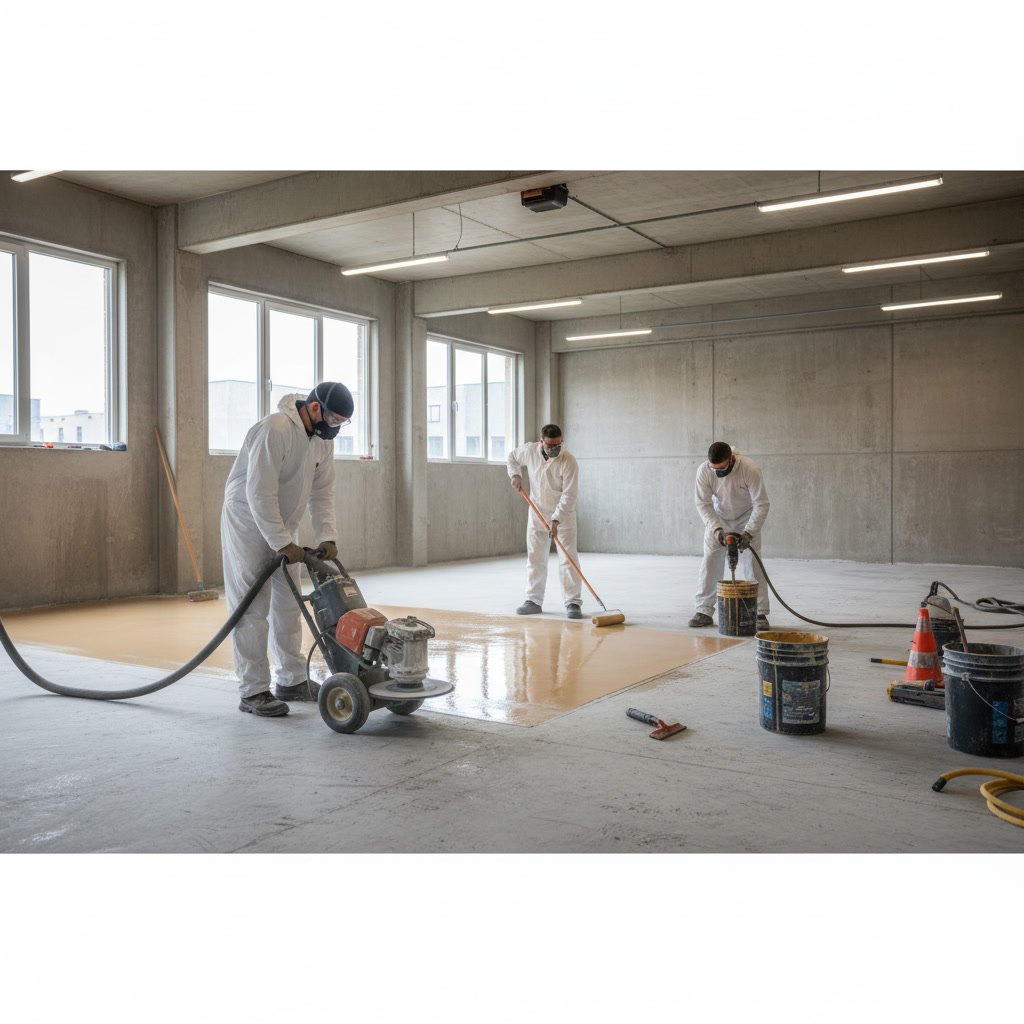
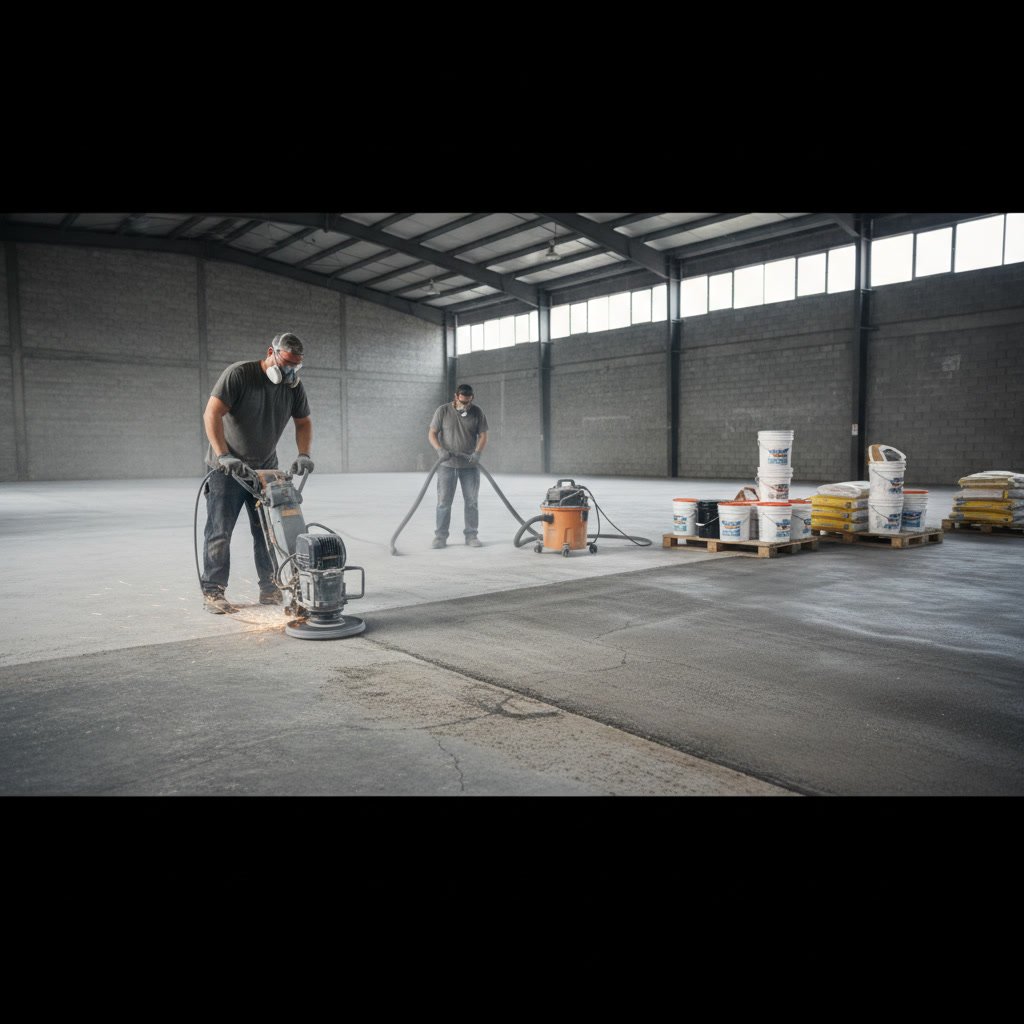
The concrete substrate beneath your epoxy coating plays a decisive role in system longevity. Proper concrete floor preparation creates the mechanical bond necessary for the coating to resist delamination under stress. Skipping steps like profiling, crack repair, or moisture testing shortens lifespan dramatically, often leading to failure within three to five years.
Professional contractors use diamond grinding or shot blasting to achieve a concrete surface profile between CSP-2 and CSP-4, depending on the coating system. This creates microscopic peaks and valleys that epoxy resins penetrate and lock into. Surface contaminants like oil, grease, or existing sealers must be completely removed, as even trace amounts prevent proper adhesion.
Moisture vapor transmission from the concrete slab can also cause coating failure. Testing with calcium chloride or relative humidity probes identifies problem slabs before installation. In basements or ground-level slabs without adequate vapor barriers, moisture mitigation primers become essential for long-term success.
Coating Thickness and Layer Configuration Impact Durability
System thickness directly correlates with lifespan. Thin-film coatings applied at 3 to 5 mils dry film thickness offer basic protection but wear through quickly in high-traffic areas. These systems typically last three to seven years in commercial settings. Medium-build systems at 10 to 20 mils provide better abrasion resistance and chemical protection, extending life to 10 to 15 years.
Heavy-duty industrial floors benefit from thick-build systems exceeding 40 mils, often incorporating multiple base coats, aggregate broadcasts, and protective topcoats. These installations routinely last 15 to 25 years even under forklift traffic and chemical exposure.
The layer configuration matters as much as total thickness. A primer that penetrates and seals the concrete, a pigmented base coat for color and body, and a clear topcoat for UV and abrasion resistance creates a synergistic system where each layer serves a specific function. Cutting corners by eliminating the primer or topcoat compromises the entire installation.
Traffic Levels and Mechanical Wear Patterns in Manhattan NY Facilities
Daily foot traffic, rolling loads, and impact events gradually erode even the most durable epoxy systems. A retail store in Manhattan NY with moderate foot traffic experiences different wear than a warehouse running forklifts 16 hours daily. Quantifying your traffic helps predict realistic lifespan expectations.
Light-duty environments like offices, retail stores, and showrooms typically see floors lasting 15 to 20 years with minimal wear. Medium-duty spaces including auto shops, light manufacturing, and storage areas experience moderate abrasion, with systems lasting 10 to 15 years. Heavy-duty warehouses, loading docks, and manufacturing plants with constant forklift traffic and heavy equipment may require recoating every seven to 12 years.
Point loading from pallet jacks, metal carts, and equipment legs creates concentrated wear spots that fail before the surrounding floor. Installing flake or quartz coatings adds texture and aggregate reinforcement that distributes loads more evenly, significantly extending service life in these high-stress zones.
Chemical Exposure and Its Effect on Coating Longevity
Chemical resistance varies widely among epoxy formulations. Standard bisphenol-A epoxies handle mild acids, alkalis, and petroleum products well but degrade when exposed to concentrated chemicals or prolonged contact. Novolac epoxies offer superior chemical resistance for pharmaceutical plants, laboratories, and chemical processing facilities.
Understanding your facility’s chemical exposure profile allows proper system selection. Food processing plants dealing with lactic acid, citric acid, and caustic cleaners need different coatings than automotive shops exposed to oils, solvents, and antifreeze. Alliance Epoxy Flooring Corp evaluates your specific exposures to recommend appropriate resin chemistry and topcoat options.
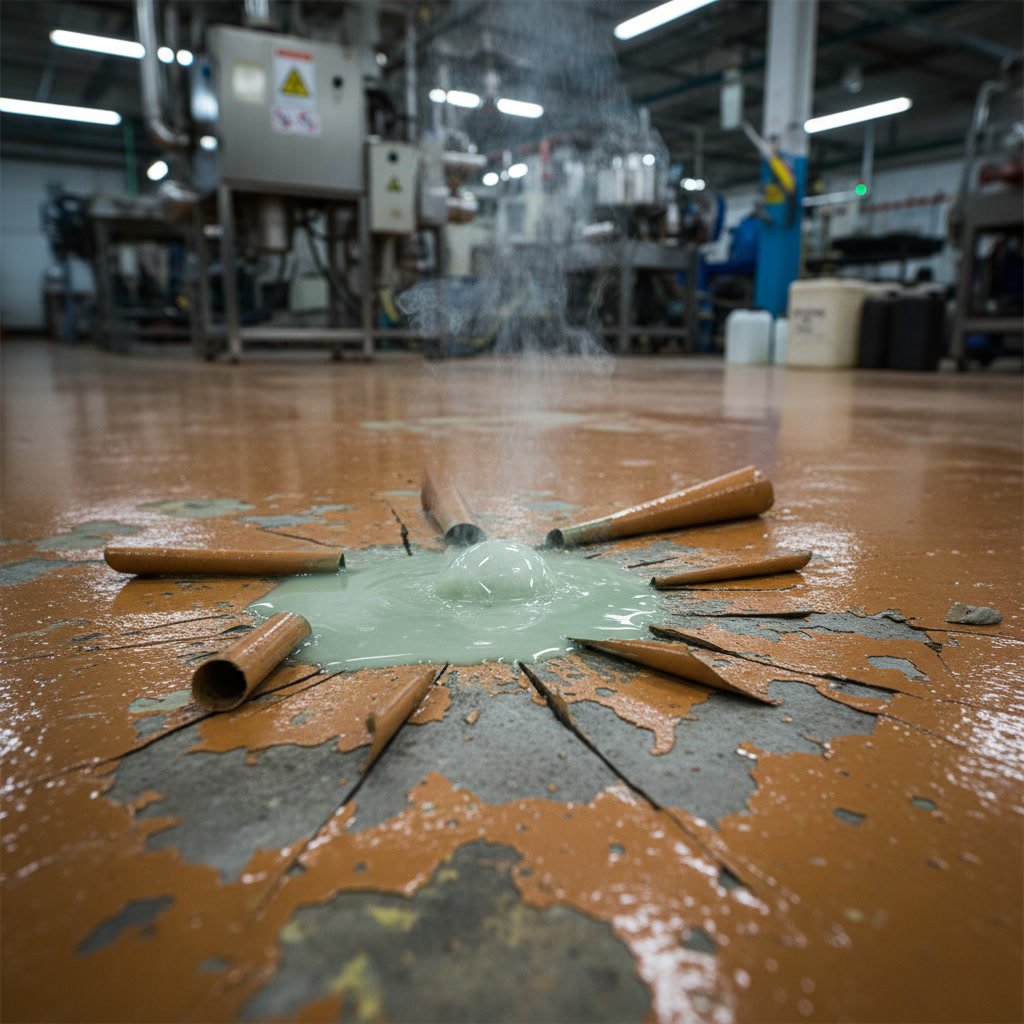
Even resistant systems eventually wear when chemicals remain on the surface for extended periods. Implementing spill cleanup protocols and regular washing prevents chemical penetration that accelerates coating breakdown.
How Topcoats Extend the Life of Base Epoxy Systems
Topcoats function as sacrificial layers that absorb wear while protecting the underlying epoxy base. Applying a urethane top coat over epoxy combines the adhesion and build of epoxy with the abrasion resistance and UV stability of urethane. This combination typically adds three to seven years to system life compared to epoxy-only installations.
Polyaspartic and polyurea topcoats cure rapidly and offer exceptional durability. These coatings resist yellowing, maintain gloss longer, and provide superior scratch resistance. In high-traffic commercial spaces, a polyaspartic topcoat can be the difference between a 10-year floor and a 20-year floor.
When base coats eventually show wear, recoating just the topcoat refreshes the floor at a fraction of the cost of complete removal and reinstallation. This maintenance strategy maximizes return on investment by extending total system life to 25 years or more.
Maintenance Practices That Maximize Epoxy Floor Lifespan
Regular cleaning removes abrasive dirt particles that act like sandpaper under foot and vehicle traffic. Daily dust mopping or sweeping followed by weekly damp mopping with pH-neutral cleaners prevents particle abrasion that gradually wears the coating surface.
Avoiding harsh cleaning chemicals protects the coating. Highly alkaline degreasers, acid-based cleaners, and solvent-containing products can soften or etch epoxy surfaces over time. Using manufacturer-approved cleaning products preserves coating integrity.
Implementing matting at building entrances traps dirt and moisture before it reaches the epoxy floor. Studies show entrance matting can reduce floor maintenance costs by up to 70 percent and significantly extend coating life by minimizing abrasive particle transfer.
Periodic recoating with a fresh topcoat layer every five to seven years in high-traffic areas maintains appearance and adds protection. This preventive maintenance approach costs far less than waiting for complete system failure and replacement.
Comparing Epoxy Lifespan Across Different Commercial Applications
Different facility types experience vastly different wear rates and coating lifespans. Understanding these patterns helps set realistic expectations and budgets:
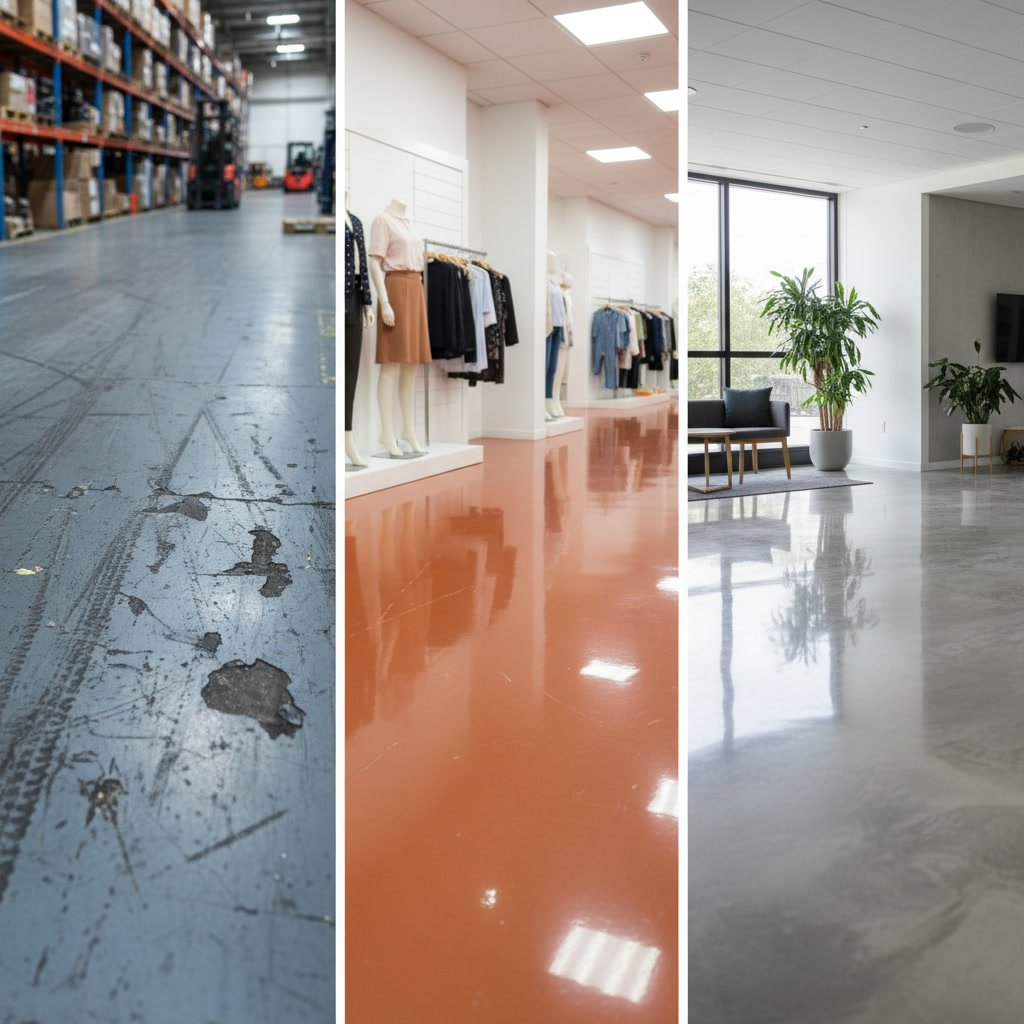
- Retail stores and showrooms: 15 to 25 years with minimal wear, primarily aesthetic concerns as gloss fades over time
- Commercial kitchens and food processing: 10 to 15 years with proper cleaning, shorter if harsh sanitizers are used frequently
- Warehouses and distribution centers: 8 to 15 years depending on forklift traffic intensity and load weights
- Manufacturing facilities: 7 to 12 years in production areas with heavy equipment and chemical exposure
- Automotive shops and service bays: 10 to 15 years with regular topcoat refresh every five years
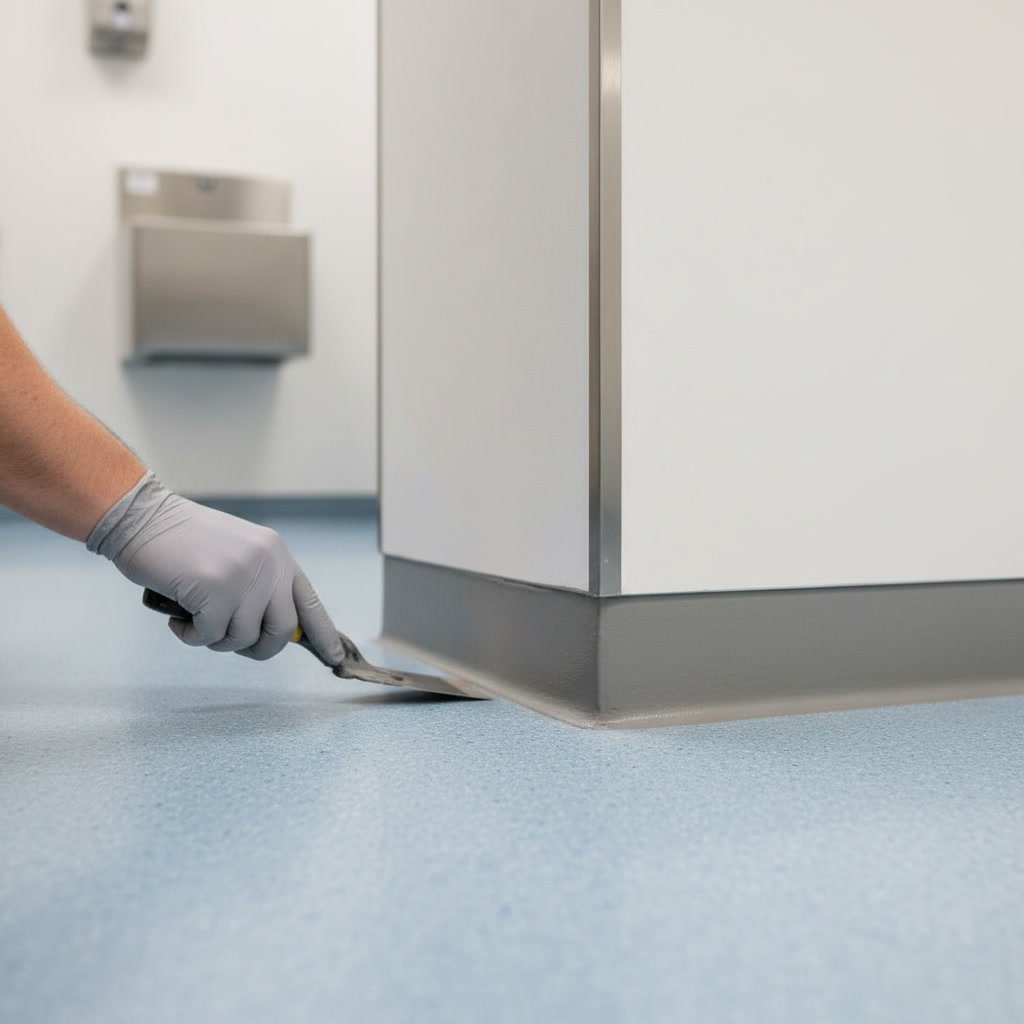
- Hospital corridors and medical facilities: 12 to 18 years with daily cleaning and periodic topcoat renewal
These ranges assume professional installation with proper substrate preparation and appropriate coating system specification for the intended use. Cutting corners during installation can reduce these lifespans by 50 percent or more.
Installation Quality as the Foundation of Long-Term Success
Even the best coating products fail when installation quality is compromised. Temperature and humidity during application affect cure rates and final properties. Most epoxy systems require substrate temperatures between 50 and 90 degrees Fahrenheit and relative humidity below 85 percent for proper curing.
Mixing ratios must be precise. Too much hardener causes brittleness and cracking, while too little prevents complete curing, leaving a soft, sticky surface vulnerable to damage. Professional applicators use calibrated pumps or carefully measured batches to ensure correct ratios.
Proper film thickness application requires experience and the right tools. Over-application wastes material and can cause curing problems, while under-application leaves insufficient protection. Experienced installers achieve consistent thickness that meets system specifications throughout the entire floor area.
When to Consider Alternative Systems for Extended Life
While epoxy performs exceptionally well in most commercial and industrial settings, some extreme environments benefit from alternative systems. Urethane cement flooring withstands thermal shock and aggressive chemical exposure better than epoxy, making it ideal for commercial kitchens and food plants where frequent hot water washdowns occur. These systems can last 20 to 30 years in conditions that would compromise epoxy within 10 years.
Polished concrete offers an alternative with virtually unlimited lifespan, as the wear surface is the concrete itself rather than a coating. While lacking some chemical resistance of epoxy, polished concrete in retail stores, warehouses, and commercial spaces never requires replacement, only periodic repolishing to restore appearance.
Hybrid systems combining multiple coating technologies optimize performance for specific challenges. A moisture-mitigating epoxy primer topped with polyurea for rapid cure and extreme durability creates a system that handles conditions no single product addresses effectively.
Cost Implications of Lifespan and Maintenance Cycles
Evaluating epoxy flooring costs requires looking beyond initial installation to total lifecycle expenses. A 12,000-square-foot warehouse floor coated with a premium system at $6 per square foot costs $72,000 initially but lasts 15 years with one topcoat refresh at year eight costing $18,000. Total 15-year cost reaches $90,000, or $6,000 annually.
The same facility using a budget system at $3 per square foot saves $36,000 initially but requires complete replacement every seven years. Two installations over 15 years cost $72,000, plus higher maintenance costs from faster wear, potentially exceeding the premium system’s total cost while causing more operational disruption.
Factoring in downtime, maintenance labor, and early replacement costs often makes higher-quality installations the more economical choice. This analysis becomes even more favorable in facilities operating multiple shifts where floor failure causes significant lost production.
Protecting Your Investment Through Professional Service
Understanding the factors that influence epoxy floor longevity empowers facility managers to make informed decisions that maximize value. Proper substrate preparation, appropriate system selection, professional installation, and regular maintenance work together to deliver decades of reliable service. Whether your facility experiences light retail traffic or heavy industrial use, matching the coating system to actual conditions ensures optimal performance and lifespan.
Alliance Epoxy Flooring Corp brings extensive experience specifying and installing epoxy systems designed for long-term performance across commercial and industrial applications throughout the region. Our approach prioritizes thorough preparation and quality materials that deliver measurable value over the life of your floor.
If your facility needs durable flooring that performs year after year, our team can evaluate your specific requirements and recommend systems proven to last. Contact us at +18005189080 to discuss your project and receive a detailed assessment of the best solutions for your space.