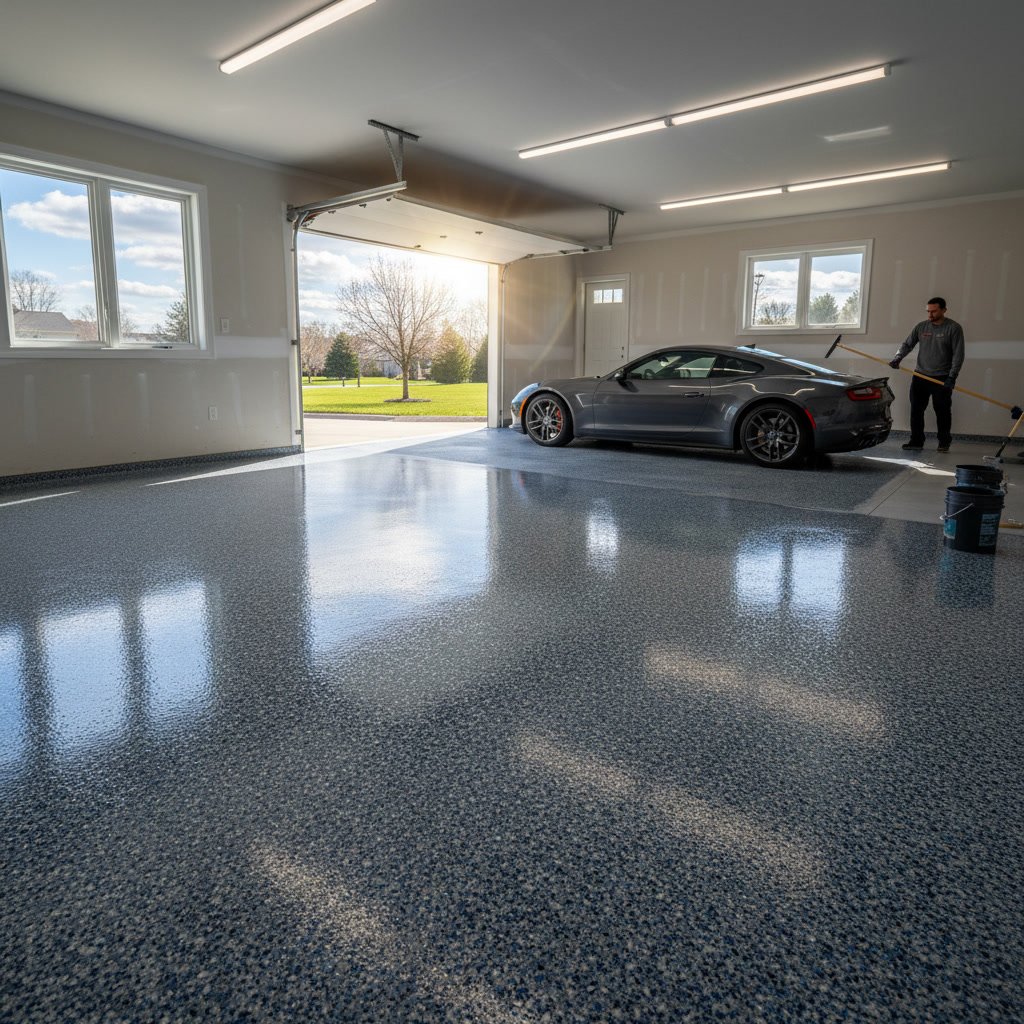
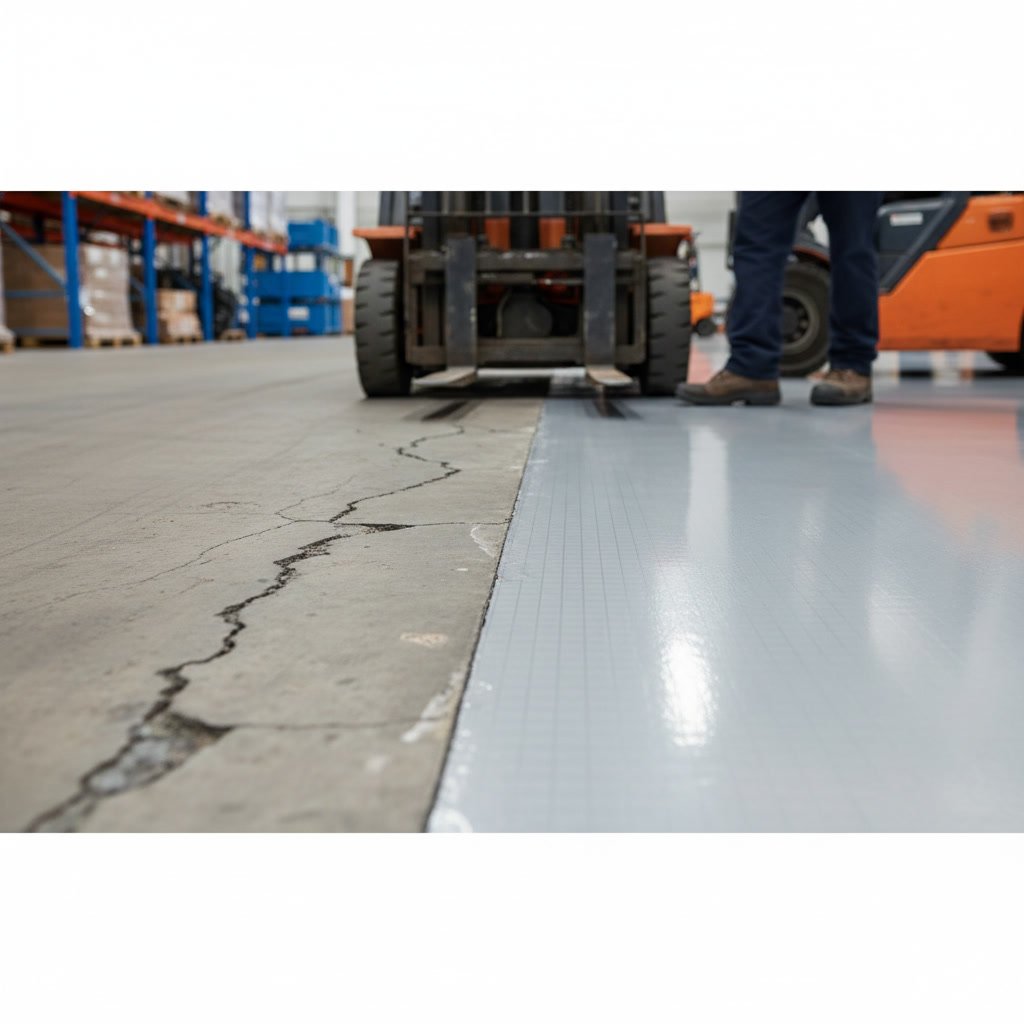
Epoxy flooring prevents cracking in commercial spaces by creating a tightly bonded protective layer that reinforces concrete, distributes stress evenly across the surface, and seals vulnerable expansion joints. Unlike bare concrete or thin sealers, industrial-grade epoxy systems integrate with the substrate at a molecular level, absorbing impacts and resisting the daily punishment of forklifts, foot traffic, and heavy equipment. This protective barrier not only stops existing hairline cracks from spreading but actively prevents new damage from forming under load.
Why Commercial Concrete Floors Crack Under Pressure
Concrete is inherently porous and brittle. When heavy machinery repeatedly rolls across a warehouse floor or thousands of customers walk through a retail space daily, that constant stress creates micro-fractures within the slab. Temperature fluctuations cause the concrete to expand and contract, while moisture infiltration weakens the structure from within. Over time, these forces combine to produce visible cracks that compromise both appearance and function.
Unprotected concrete also suffers from surface wear that exposes aggregate and creates uneven areas. These depressions collect water, chemicals, and debris that accelerate deterioration. In freezing climates, moisture trapped in tiny surface cracks expands during cold spells, widening fissures and creating a cascade of structural problems.
The Molecular Bond That Reinforces Concrete
Professional epoxy coatings work differently than surface paints or sealers. The two-part epoxy system undergoes a chemical reaction that creates strong cross-linked polymer chains. When applied to properly prepared concrete, these polymers penetrate surface pores and bind directly to the substrate at a chemical level.
This molecular adhesion creates a unified composite structure rather than just a coating sitting on top of concrete. The epoxy becomes part of the floor itself, adding tensile strength that bare concrete lacks. When stress is applied, the flexible epoxy layer distributes force across a wider area instead of concentrating it at a single point where cracks typically begin.
How Proper Surface Preparation Stops Future Damage
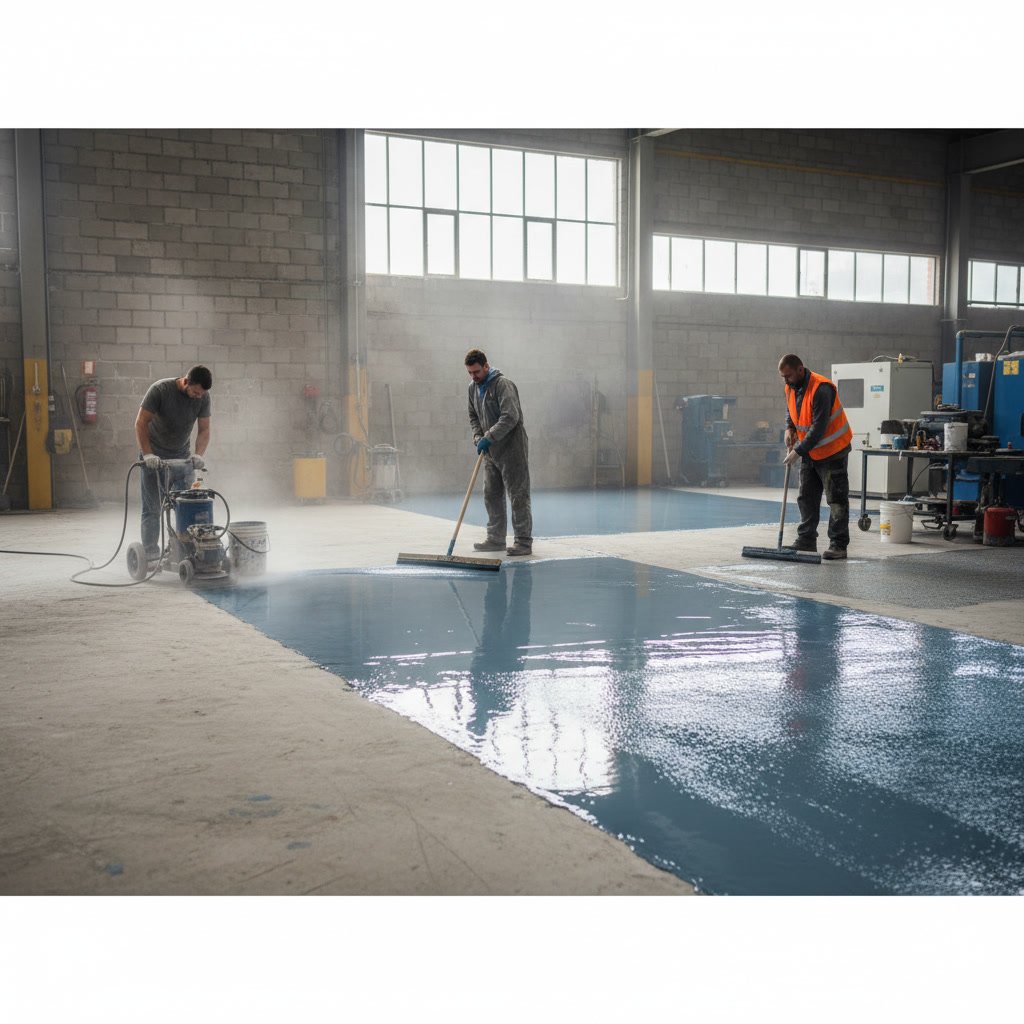
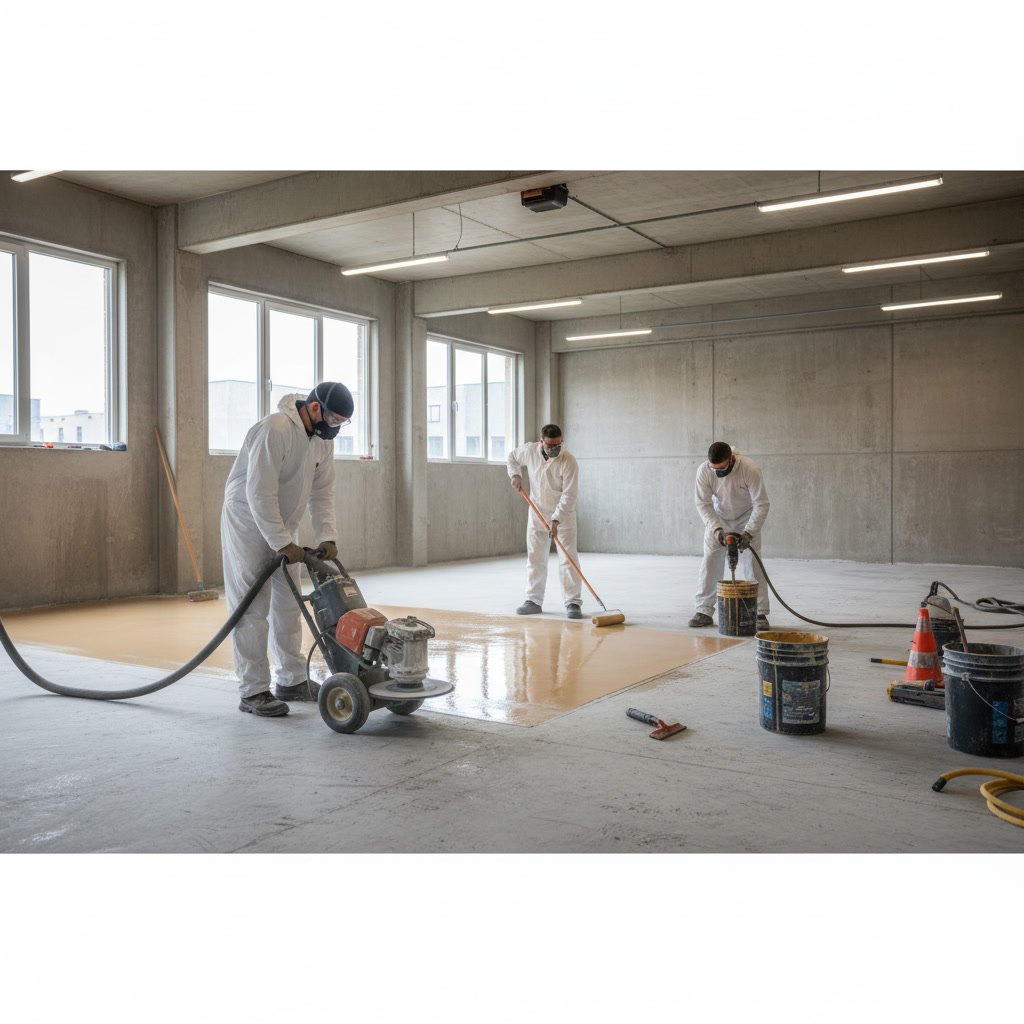
The crack-prevention benefits of epoxy depend entirely on thorough surface preparation. Concrete floor preparation removes laitance, oils, old coatings, and contaminants that prevent proper bonding. Shot blasting or diamond grinding opens the concrete pores, creating the surface profile necessary for maximum epoxy penetration.
This preparation phase also reveals existing cracks and structural issues that require repair before coating. Small cracks get filled with specialized epoxy crack fillers that become stronger than the surrounding concrete. Larger structural cracks may need routing and filling with flexible materials that accommodate ongoing movement without breaking the coating above.
Flexible Topcoats That Move With Your Building in Manhattan NY
Buildings naturally settle and shift, especially in urban environments where subway vibrations, nearby construction, and seasonal temperature swings create constant micro-movements. A rigid coating would crack along with the concrete beneath it. That’s why commercial epoxy systems often incorporate flexible topcoats such as polyurethane or polyaspartic layers.
These topcoats maintain strong adhesion to the epoxy base while offering enough flex to accommodate minor substrate movement. When the concrete expands during summer heat or contracts in winter cold, the coating system moves with it rather than fracturing. This flexibility proves especially valuable in high-traffic facilities where thermal stress combines with mechanical stress from equipment and foot traffic.
Expansion Joint Protection That Prevents Water Infiltration
Expansion joints represent the most vulnerable points in any concrete floor. These deliberately placed gaps allow sections of concrete to move independently, but they also create pathways for water, chemicals, and debris to reach the substrate. Unprotected joints quickly deteriorate, leading to spalling edges and cracks that radiate outward from the joint.
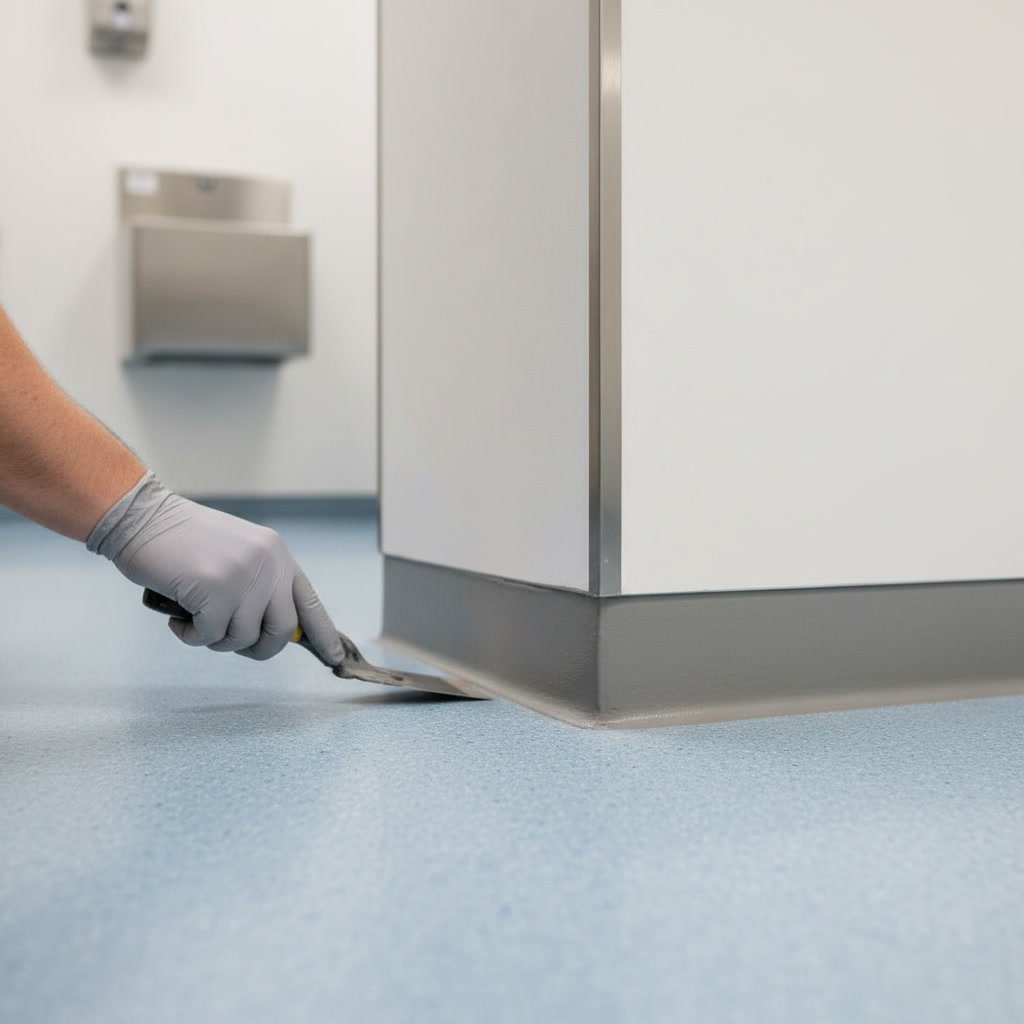
Professional concrete expansion joint filler systems integrate with the epoxy coating to seal these vulnerable areas while maintaining the joint’s ability to flex. Semi-rigid polyurea or specialized epoxy fillers protect the joint edges from impact damage while keeping moisture out. This comprehensive protection prevents the substrate deterioration that typically begins at expansion joints and spreads across the floor.
Impact Resistance in Loading Docks and Warehouse Environments
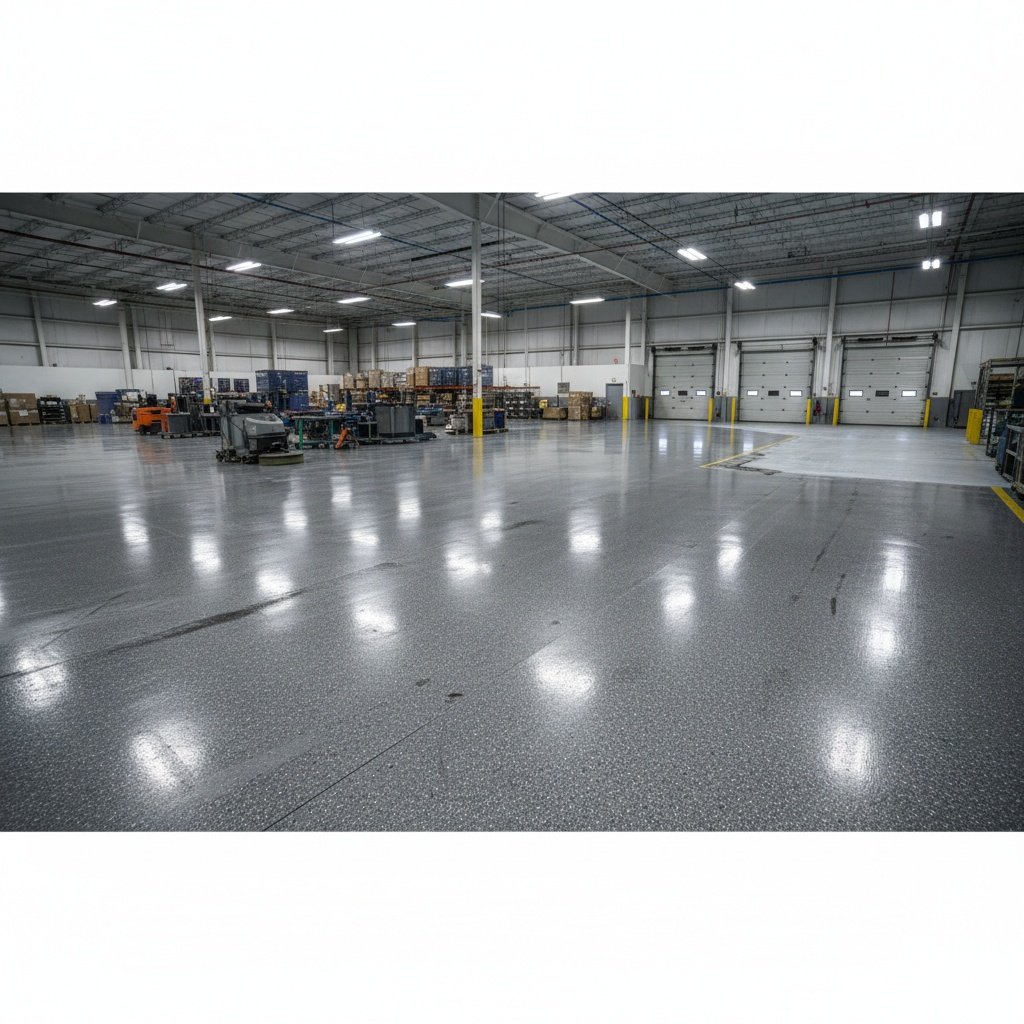
Loading docks endure some of the most punishing conditions in commercial flooring. Pallet jacks drop loads, forklifts make tight turns, and delivery trucks create vibration and point loads that would quickly destroy unprotected concrete. Industrial floors in these environments require epoxy systems formulated for maximum impact resistance.
High-build epoxy applications of 20 mils or thicker create a cushioning layer that absorbs impacts instead of transmitting the full force to the brittle concrete below. Some systems incorporate flexible aggregates or rubber particles that further enhance shock absorption. When a heavy pallet drops onto a properly coated floor, the epoxy deforms slightly to dissipate energy, then returns to its original shape without cracking or delaminating.
Three Key Layers That Work Together to Stop Cracks
Professional commercial epoxy systems typically include three distinct functional layers, each contributing to crack prevention:
Primer layer: This penetrating first coat soaks into the concrete pores and creates the initial chemical bond. Primers often include special resins that bridge hairline cracks and stabilize weak areas. They seal the substrate against moisture vapor that could cause delamination or internal concrete damage.
Build coat: The main epoxy body coat adds thickness and structural reinforcement. This layer can range from 10 to 60 mils depending on the application requirements. It provides the primary stress distribution and impact resistance that prevents new cracks from forming under load.
Top coat: The final wear layer protects the epoxy system from abrasion, chemicals, and UV exposure. Urethane or polyaspartic topcoats add flexibility and extend the life of the entire system. They also provide the slip resistance and aesthetic finish that commercial spaces require.
Chemical Resistance That Prevents Substrate Deterioration
Many commercial environments expose floors to oils, solvents, acids, and cleaning chemicals that eat away at unprotected concrete. As these substances penetrate the porous concrete, they weaken the paste that binds aggregate particles together. The result is a softened, friable surface that cracks easily under normal traffic.
Epoxy creates an impermeable barrier that prevents chemical penetration. Spills sit on the surface where they can be cleaned up instead of soaking into the substrate. This protection maintains the concrete’s structural integrity and prevents the internal weakening that leads to surface cracks and spalling. Facilities like food processing plants benefit from specialized commercial kitchen epoxy flooring options that resist both physical and chemical damage.
Temperature Cycling Protection for Year-Round Durability
Concrete expands when heated and contracts when cooled. In spaces with significant temperature variation, this constant expansion and contraction creates fatigue stress that eventually produces cracks. The problem intensifies in buildings without climate control or in areas near overhead doors where outside air regularly enters.
Epoxy systems reduce thermal stress in two ways. First, the coating layer itself provides some thermal insulation that moderates the temperature fluctuations the concrete experiences. Second, the flexible bond accommodates the minor dimensional changes that do occur without allowing stress cracks to form. Facilities in the Northeast that experience both summer heat and winter freezing particularly benefit from this thermal protection.
Moisture Barrier Benefits for Ground-Level and Below-Grade Floors
Ground-level slabs and basement floors face constant moisture pressure from below. Even concrete that appears dry often allows water vapor to migrate upward from the soil beneath. This moisture creates hydrostatic pressure that can delaminate coatings, but it also causes internal concrete damage through alkali-silica reactions and freeze-thaw cycling in the substrate.
Specialized epoxy systems rated for moisture vapor transmission provide a barrier that stops this upward moisture movement. By keeping water out of the concrete, these coatings prevent the internal pressure and chemical reactions that weaken the slab and cause cracking. Alliance Epoxy Flooring Corp applies these moisture-mitigation systems in basements, ground-floor retail spaces, and industrial facilities where substrate moisture poses a threat to floor integrity.
Long-Term Protection That Reduces Total Ownership Cost
Preventing cracks saves money beyond avoiding repair costs. Cracked floors create safety hazards that increase liability exposure. They also trap dirt and bacteria in retail and food service environments, making sanitation more difficult and potentially violating health codes. In warehouses, uneven cracked floors damage product and create ergonomic problems for workers operating equipment over rough surfaces.
A properly installed epoxy system from Alliance Epoxy Flooring Corp typically lasts 10 to 20 years in commercial applications, maintaining a smooth, crack-free surface throughout its service life. The initial investment in professional preparation and quality materials pays dividends in reduced maintenance, eliminated crack repairs, and extended concrete service life. Many facility managers find that the total cost of ownership over a 20-year period is lower for epoxy-coated floors than for bare concrete that requires constant patching and repair.
Commercial facilities throughout the region rely on crack-resistant flooring systems that stand up to daily punishment while maintaining a professional appearance. The combination of proper surface preparation, quality materials, and expert application creates floors that resist the forces that destroy unprotected concrete.
If your facility struggles with cracking floors or you want to prevent damage before it starts, professional assessment and installation make all the difference. Contact Alliance Epoxy Flooring Corp at +18005189080 to discuss a crack-prevention flooring system tailored to your specific traffic patterns, substrate conditions, and operational requirements.