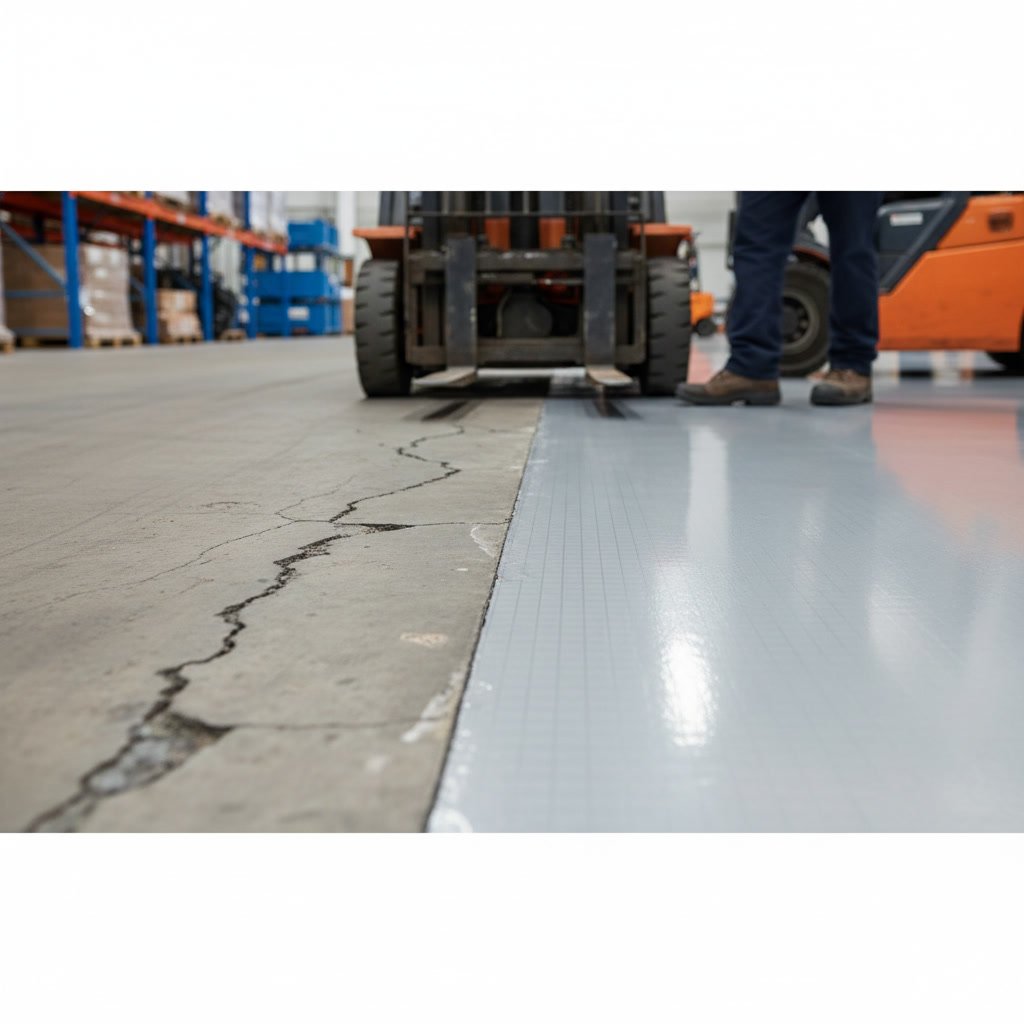
Your warehouse floor takes a beating every single day. Forklifts, heavy pallets, foot traffic, and spills create constant wear that demands a flooring solution built to last. When it comes to protecting and upgrading that concrete surface, two options dominate the conversation: grind and seal floors and epoxy coatings. Both offer distinct advantages, but the right choice depends on your specific operational needs, budget, and timeline.
This guide will walk you through the critical differences between these two systems, covering durability, cost, installation time, maintenance requirements, and ideal applications. By the end, you’ll have the clarity needed to select the best flooring solution for your warehouse operation.
What Are Grind and Seal Floors
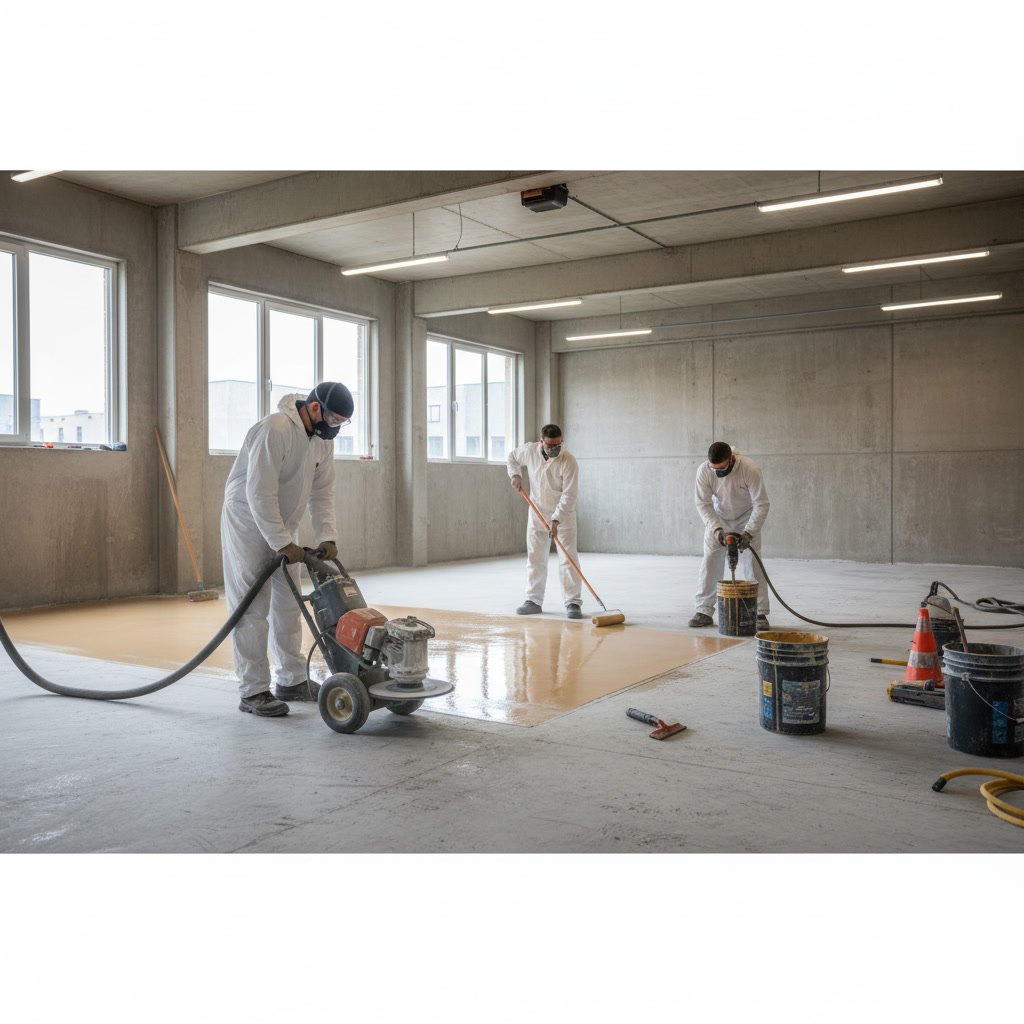
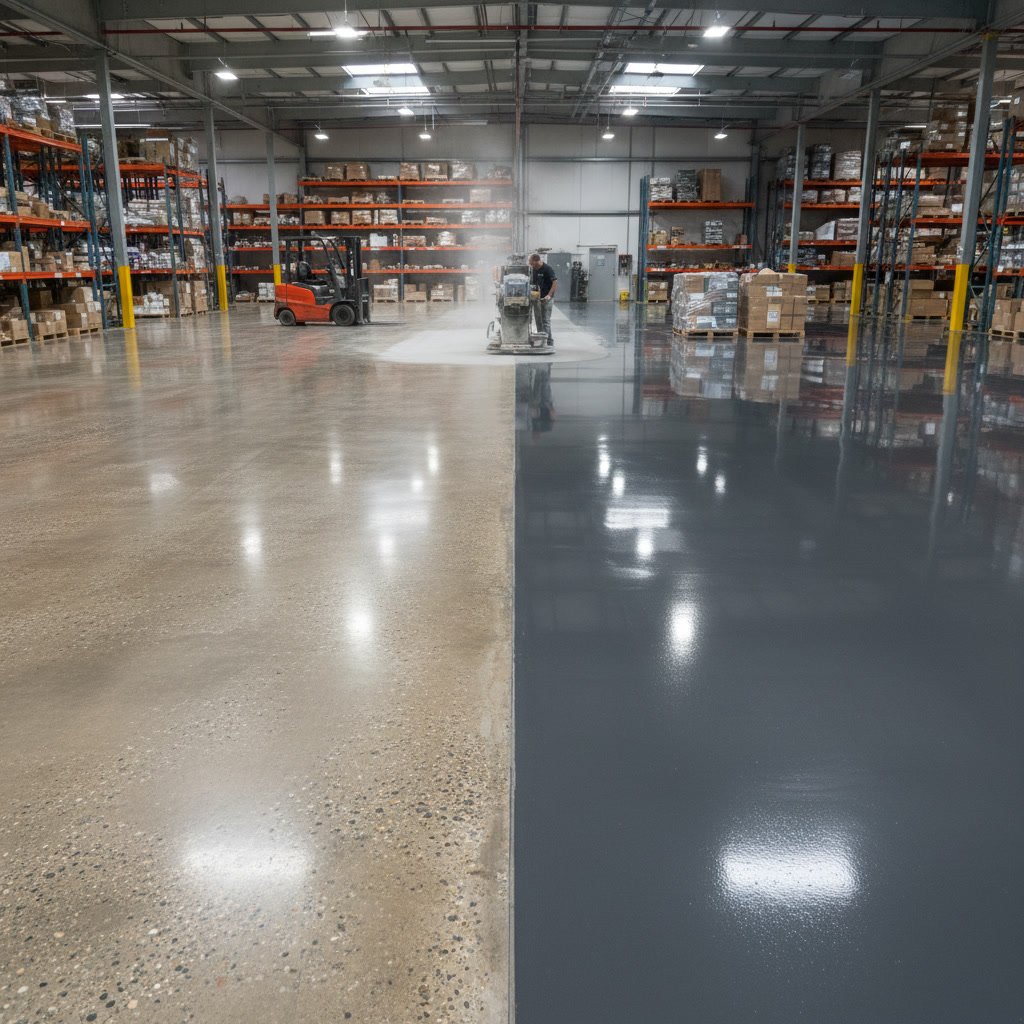
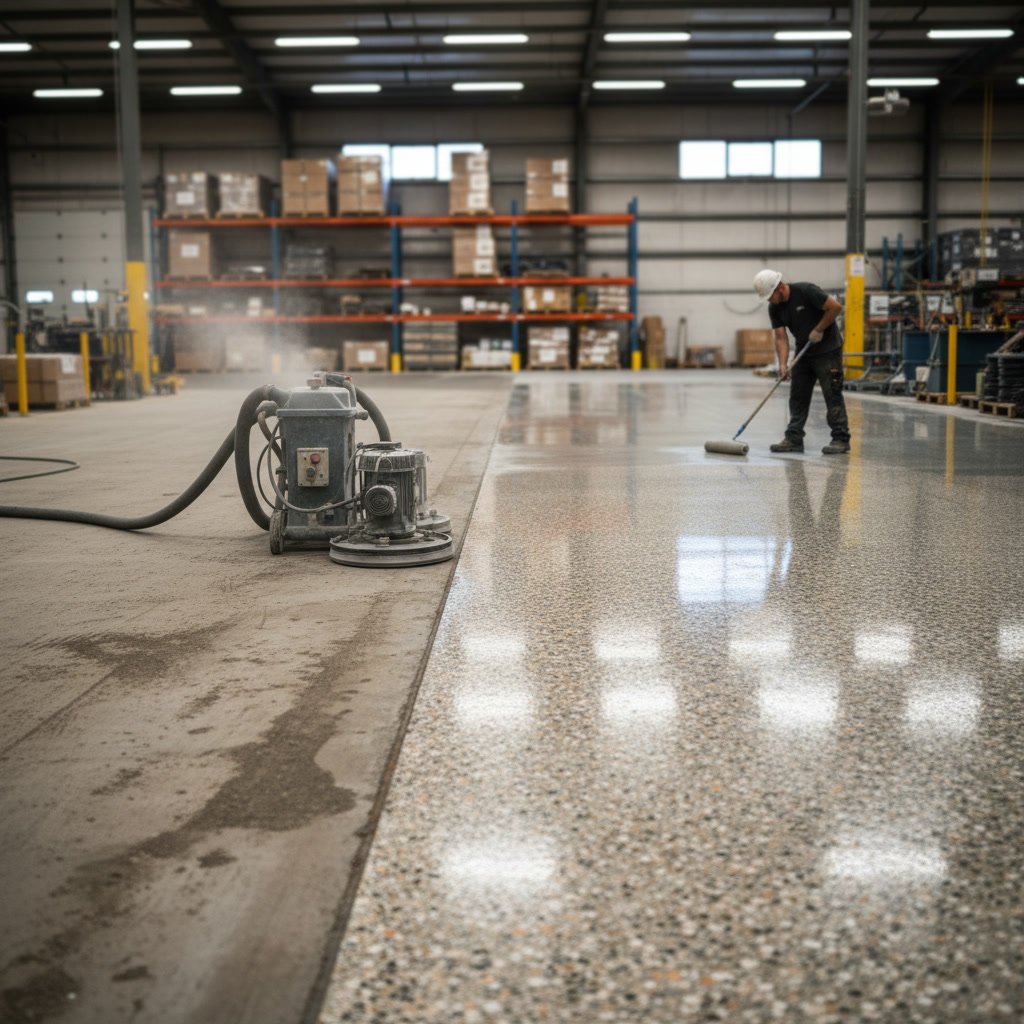
Grind and seal is a straightforward process that involves grinding the concrete surface to remove imperfections, open the pores, and create a smooth profile. After grinding, a penetrating sealer is applied to protect the concrete from stains, moisture, and light chemical exposure.
The grinding phase levels the surface, removes old coatings or glue, and prepares the concrete for maximum sealer absorption. The sealer then soaks into the concrete, creating a protective barrier from within rather than sitting on top as a thick coating.
This system is popular in warehouses because it enhances the natural look of concrete while providing a baseline level of protection. The result is a clean, industrial aesthetic with improved durability compared to bare concrete.
What Are Epoxy Coatings for Warehouse Floors
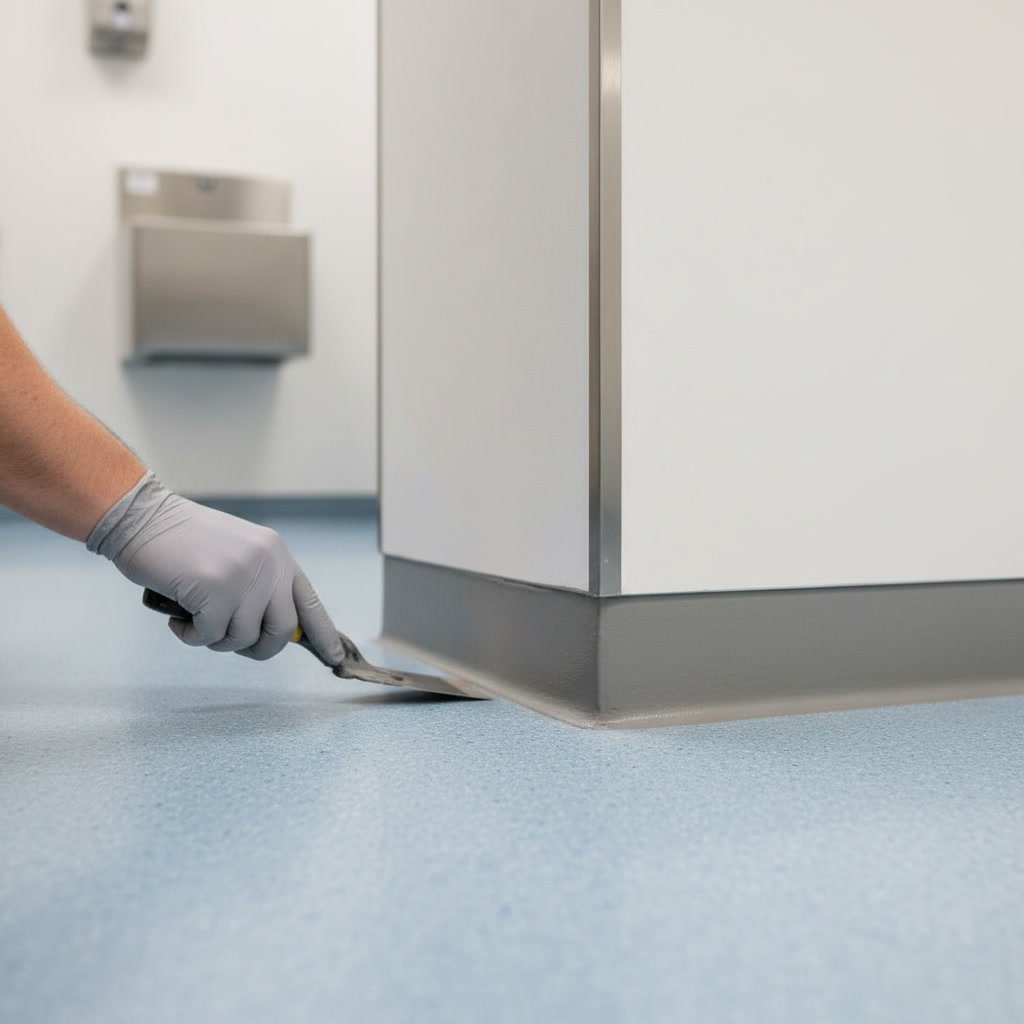
Epoxy coatings consist of a two-part system that includes a resin and a hardener. When mixed, these components undergo a chemical reaction that creates a rigid, plastic-like surface bonded directly to the concrete.
Epoxy systems typically range from 2 to 10 mils thick, though some industrial floors require thicker applications for heavy-duty environments. The coating creates a seamless, non-porous surface that resists chemicals, abrasion, impact, and moisture far better than sealed concrete alone.
Warehouses often choose epoxy for its superior protection in high-traffic zones, especially where chemical spills, forklift traffic, and heavy equipment create extreme wear conditions. The coating can also be customized with colors, safety markings, and slip-resistant additives.
Durability and Lifespan Comparison
Durability is often the deciding factor when choosing between these two systems. Each performs differently under warehouse conditions, and understanding these differences will save you from costly mistakes.
Grind and Seal Durability
Grind and seal floors offer moderate protection against everyday warehouse wear. The sealer penetrates the concrete but does not form a thick protective layer on the surface. This means the concrete itself still bears the brunt of impact, abrasion, and heavy loads.
Typical lifespan for grind and seal floors in warehouse environments ranges from three to five years before resealing is required. High-traffic areas may show wear sooner, particularly where forklifts make frequent turns or where pallets are dragged across the surface.
The system performs well in light to moderate warehouse operations but struggles under extreme chemical exposure or constant heavy equipment traffic.
Epoxy Coating Durability
Epoxy coatings provide significantly stronger protection. The thick, bonded layer shields the concrete from direct impact, chemical penetration, and abrasion. Properly installed epoxy systems in warehouse settings typically last seven to 10 years or longer, depending on traffic levels and maintenance.
Epoxy handles forklift traffic, pallet jacks, and heavy equipment far better than sealed concrete. The coating absorbs impact and distributes stress across the surface, reducing the risk of cracks, chips, and surface damage.
In facilities where chemical spills are common, epoxy creates an impermeable barrier that prevents acids, oils, and solvents from reaching the concrete substrate. This makes it the preferred choice for food processing plants, pharmaceutical warehouses, and manufacturing facilities.
Cost Considerations
Budget plays a major role in any flooring decision. Understanding both upfront costs and long-term value helps you make a financially sound choice.
Initial Installation Costs
Grind and seal floors typically cost less upfront. Installation involves fewer materials and less labor compared to epoxy systems. For a standard warehouse floor, expect to pay between $2 and $4 per square foot for a professional grind and seal installation.
Epoxy coatings range from $3 to $12 per square foot, depending on the thickness, type of epoxy, and any customizations such as color flakes, safety lines, or anti-slip additives. High-performance systems for heavy industrial use can exceed this range.
If your budget is tight and your warehouse sees light to moderate use, grind and seal offers a cost-effective entry point. However, the lower upfront cost must be weighed against shorter lifespan and more frequent maintenance.
Long-Term Value and Maintenance Costs
Epoxy coatings may cost more initially, but they often deliver better long-term value. Longer lifespan, reduced maintenance, and superior protection translate into lower total cost of ownership over 10 years.
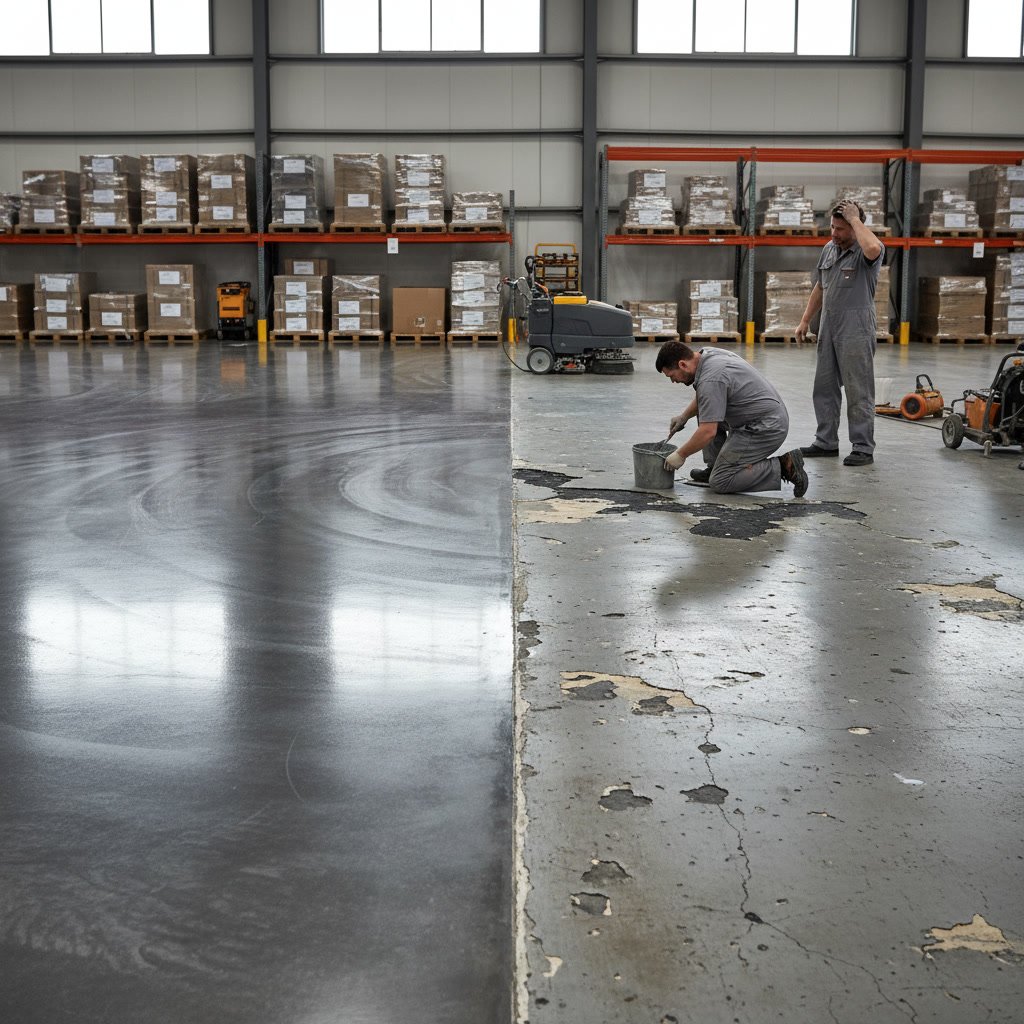
Grind and seal floors require resealing every three to five years, which adds recurring costs. Each resealing project involves surface preparation, downtime, and labor expenses that accumulate over time.
Epoxy coatings require minimal maintenance beyond routine cleaning. Occasional touch-ups may be needed in high-wear zones, but full recoating is rarely required within the first decade.
Pro Tip: Calculate the total cost over a 10-year period, not just the initial installation. Factor in resealing frequency, downtime, and labor costs to get a true cost comparison.
Installation Time and Downtime
Warehouse operations cannot afford extended downtime. Installation speed often influences flooring decisions as much as cost or durability.
Grind and Seal Installation
Grind and seal projects move quickly. Grinding can typically be completed in one to two days for most warehouse spaces, followed by sealer application. The sealer dries within 12 to 24 hours, allowing the floor to be returned to service in as little as two to three days.
This rapid turnaround makes grind and seal an attractive option for facilities that cannot shut down for extended periods. If you need a floor solution with minimal operational disruption, this system delivers.
Epoxy Coating Installation
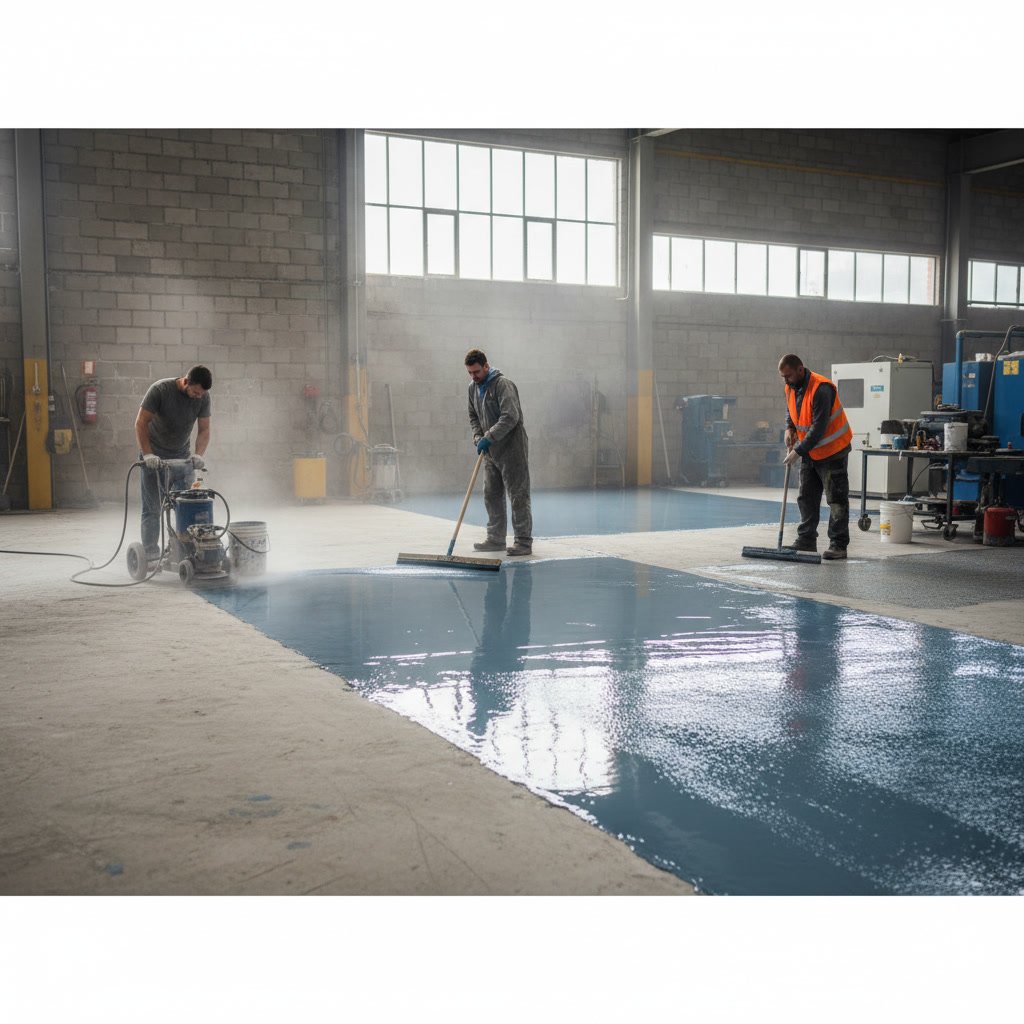
Epoxy coatings require more time. After grinding and preparing the surface, the epoxy must be applied in multiple layers. Each layer needs time to cure before the next can be applied. Standard epoxy systems require three to seven days from start to finish, including cure time.
Some epoxy formulations, such as polyaspartic coatings, cure much faster and can reduce downtime to 24 to 48 hours. These fast-cure systems cost more but minimize disruption to warehouse operations.
If your facility operates around the clock or downtime is costly, discuss fast-cure options with your flooring contractor. For projects in New Jersey or surrounding areas, Alliance Epoxy Flooring Corp offers flexible scheduling to accommodate tight timelines.
Maintenance Requirements
How much time and effort will your team spend maintaining the floor? This question matters more than many facility managers realize.
Maintaining Grind and Seal Floors
Grind and seal floors are relatively easy to clean with standard warehouse equipment. Regular sweeping and damp mopping keep the surface looking clean. However, the sealer can wear down in high-traffic areas, requiring more frequent attention.
Spills should be cleaned quickly to prevent staining. While the sealer provides some protection, it is not fully impermeable. Oils, chemicals, and certain liquids can penetrate over time if not addressed promptly.
Resealing every three to five years is essential to maintain protection. This maintenance cycle involves surface cleaning, light grinding if needed, and reapplication of sealer, which requires shutting down the area temporarily.
Maintaining Epoxy Coatings
Epoxy coatings are exceptionally low maintenance. The non-porous surface resists stains, making it easy to clean with simple detergents and water. Spills wipe up easily, and the coating does not absorb liquids or harbor bacteria.
Routine sweeping and occasional mopping are typically all that is needed. Epoxy floors do not require waxing, buffing, or periodic resealing, which saves labor and material costs over time.
In heavy-use areas, minor touch-ups may be needed after several years, but these are far less invasive than full resealing projects.
Ideal Applications for Each System
Choosing the right system depends on your specific warehouse environment, traffic levels, and operational demands.
When to Choose Grind and Seal Floors
Grind and seal works best in warehouses with light to moderate traffic, where heavy chemical exposure is not a concern. If your facility primarily stores dry goods, uses hand trucks or light pallet jacks, and operates in a clean environment, this system provides adequate protection at a lower cost.
It is also ideal for warehouses where aesthetics matter. The natural concrete look appeals to facilities that want an industrial, minimalist appearance without the glossy finish of epoxy.
Budget-conscious projects with shorter timelines also benefit from grind and seal. If you need a functional floor upgrade quickly and inexpensively, this option delivers.
When to Choose Epoxy Coatings
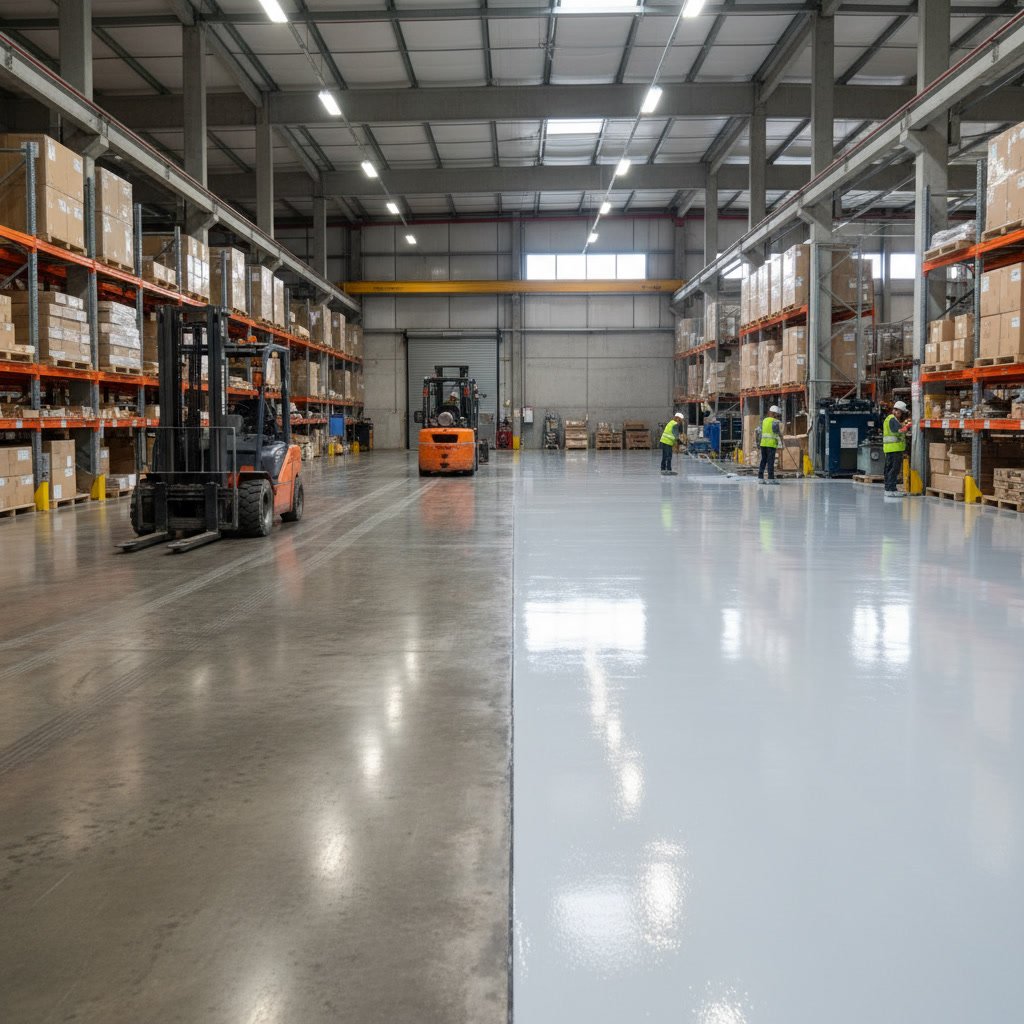
Epoxy coatings are the superior choice for warehouses with heavy forklift traffic, frequent chemical spills, or extreme operational demands. Food processing facilities, pharmaceutical warehouses, manufacturing plants, and high-traffic distribution centers all benefit from the added durability and chemical resistance.
If your warehouse operates 24/7 and cannot afford frequent floor maintenance or resealing projects, epoxy’s long lifespan and low maintenance requirements make it the smarter investment.
Facilities that require color-coded zones, safety markings, or slip-resistant surfaces also prefer epoxy. The coating can be customized with colors, patterns, and textures to meet safety and organizational needs.
For more guidance on choosing the right industrial flooring solution, read our detailed post on types of industrial floor coatings for warehouses.
Performance in Extreme Conditions
Warehouses face a range of environmental challenges, from temperature fluctuations to moisture exposure. How do these systems hold up under stress?
Temperature and Thermal Shock
Grind and seal floors perform reasonably well in stable temperature environments but can struggle with extreme thermal shock. Rapid temperature changes can cause the sealer to fail prematurely, especially in warehouses with loading docks exposed to outdoor conditions.
Epoxy coatings handle temperature fluctuations better, though not all epoxy formulations are created equal. Standard epoxy can yellow or become brittle in environments with extreme heat or UV exposure. For warehouses with temperature-sensitive operations, consider polyurea coatings, which offer superior flexibility and thermal resistance.
Moisture and Chemical Resistance
Moisture resistance is a critical factor in warehouses located in humid climates or facilities that handle refrigerated goods. Grind and seal floors provide basic moisture protection but are not fully waterproof. Prolonged exposure to standing water can degrade the sealer and damage the concrete beneath.
Epoxy coatings create a waterproof barrier that prevents moisture penetration entirely. This makes epoxy the preferred choice for cold storage facilities, food distribution centers, and warehouses in coastal areas where humidity is high.
Chemical resistance is another area where epoxy excels. Warehouses that handle oils, solvents, acids, or cleaning agents need a floor that will not break down under chemical exposure. Epoxy provides that level of protection, while grind and seal does not.
Aesthetic Considerations
Functionality matters most in warehouse settings, but appearance still plays a role, especially in facilities that host clients, vendors, or regulatory inspections.
Grind and seal floors offer a natural, understated look that highlights the concrete itself. The finish is typically matte or low-sheen, which suits industrial environments where a polished appearance is not required.
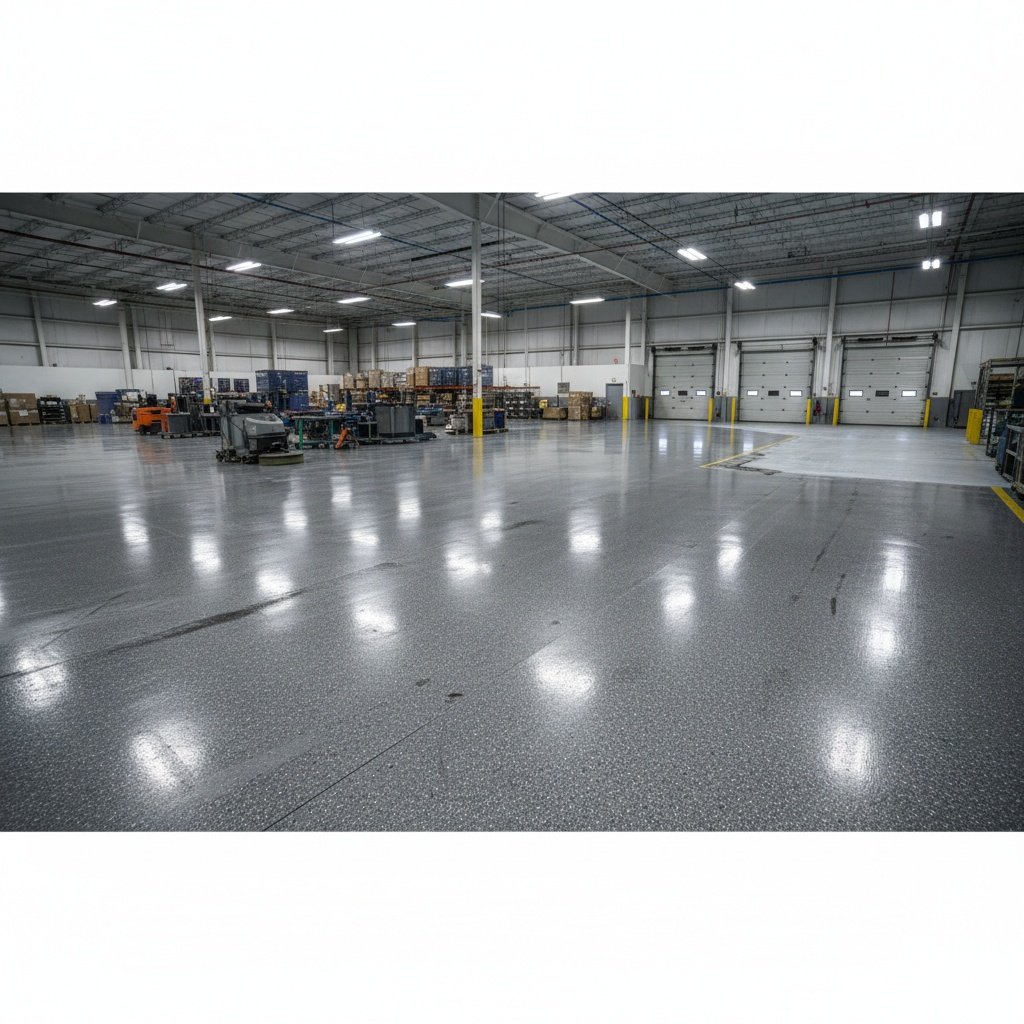
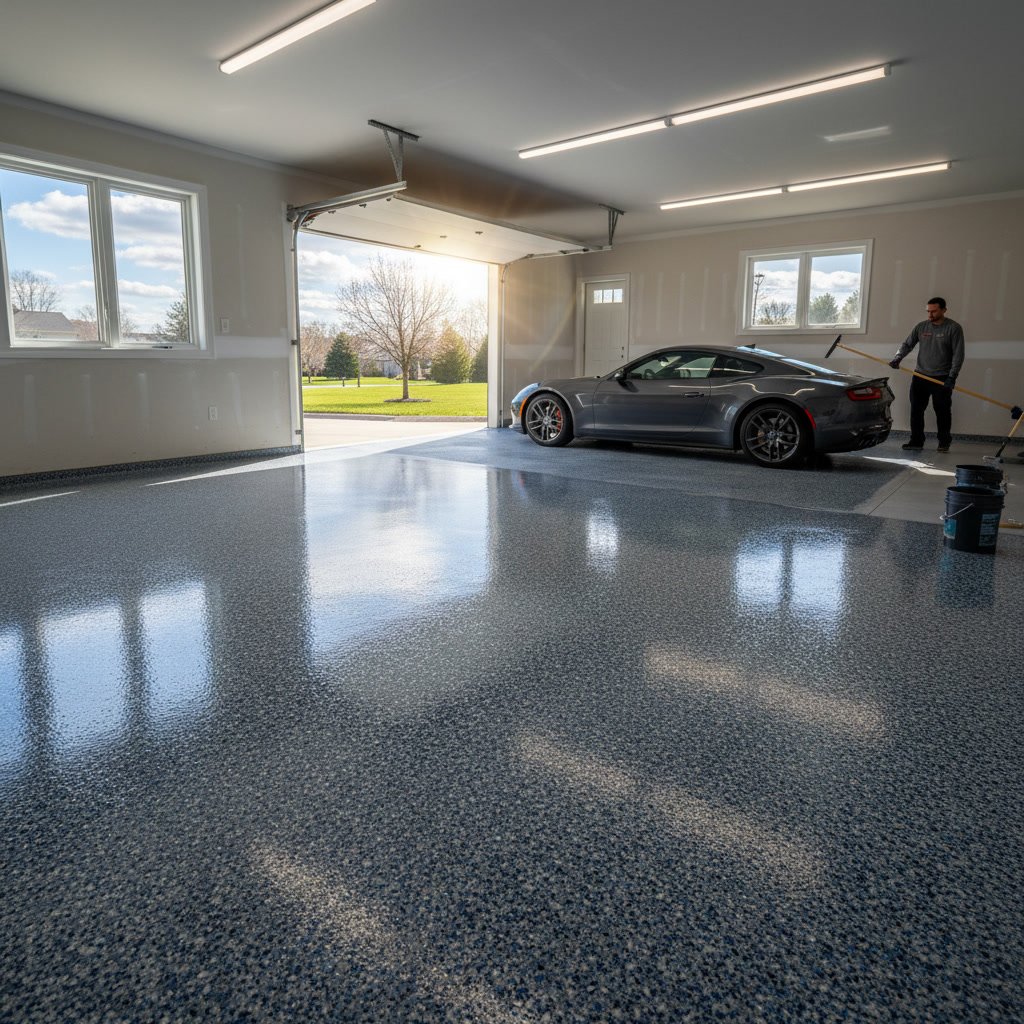
Epoxy coatings provide a high-gloss, seamless finish that brightens the space and improves lighting efficiency. The reflective surface can reduce the need for additional lighting, which cuts energy costs. Epoxy also allows for creative customization, including metallic finishes, color flakes, and decorative patterns.
For warehouses that want a clean, professional appearance with added functionality, epoxy delivers both.
Frequently Asked Questions
How long do grind and seal floors last in a warehouse setting?
Grind and seal floors typically last three to five years in warehouse environments before resealing is needed. The lifespan depends on traffic levels, forklift use, and the quality of the initial installation. High-traffic areas may show wear sooner and require more frequent maintenance.
Can epoxy coatings be applied over existing grind and seal floors?
Yes, epoxy coatings can be applied over grind and seal floors, but proper preparation is critical. The existing sealer must be removed or abraded to ensure the epoxy bonds correctly to the concrete. Skipping this step can lead to delamination and coating failure.
Which system is better for cold storage warehouses?
Epoxy coatings are better suited for cold storage environments. They provide superior moisture resistance and thermal stability compared to grind and seal. Epoxy prevents condensation from penetrating the concrete and holds up well under temperature fluctuations common in refrigerated facilities.
Do grind and seal floors require special cleaning products?
No, grind and seal floors can be cleaned with standard warehouse cleaning equipment and neutral pH cleaners. Avoid harsh chemicals or acidic cleaners, as they can degrade the sealer over time. Regular sweeping and damp mopping are usually sufficient.
How much downtime is needed for epoxy installation in a warehouse?
Standard epoxy installations require three to seven days, including surface preparation and cure time. Fast-cure epoxy systems, such as polyaspartic coatings, can reduce downtime to 24 to 48 hours. The exact timeline depends on the size of the space, environmental conditions, and the specific coating system used.
Making the Right Choice for Your Warehouse
Choosing between grind and seal floors and epoxy coatings comes down to your specific operational needs, budget, and long-term goals. Grind and seal offers a cost-effective, quick-install solution for light to moderate use, while epoxy provides unmatched durability, chemical resistance, and long-term value for demanding warehouse environments.
If your facility handles heavy equipment, chemical spills, or high-volume operations, epoxy is the clear winner. For warehouses with lighter traffic and tighter budgets, grind and seal delivers adequate protection with minimal upfront investment.
Alliance Epoxy Flooring Corp specializes in both systems and serves warehouses throughout Manhattan, Long Island, New Jersey, New York, and Southeastern Pennsylvania. Our team can assess your facility, discuss your operational requirements, and recommend the best flooring solution for your specific needs. Contact us today at +18005189080 to schedule a consultation and get a detailed project estimate.