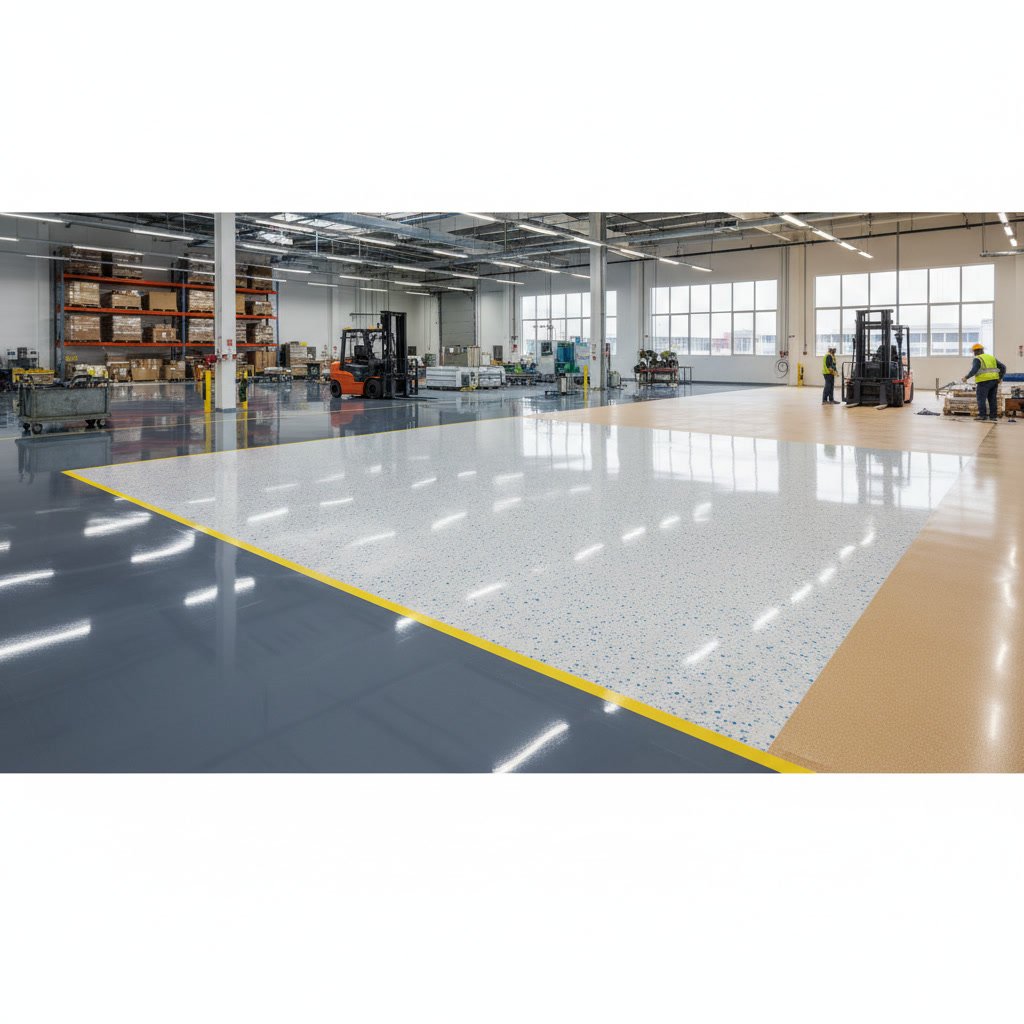
Warehouse and manufacturing facility managers face a constant challenge: floors that can withstand heavy machinery, chemical spills, thermal shock, and relentless foot and vehicle traffic. The wrong flooring choice leads to costly downtime, safety hazards, and frequent repairs. Industrial floor coatings provide the solution, transforming standard concrete into a resilient, chemical-resistant, and long-lasting surface built to handle the toughest conditions.
This guide breaks down the most effective coating systems available today, helping you understand which options best match your facility’s unique demands. From epoxy to polyaspartic systems, you’ll learn the strengths, limitations, and ideal applications for each coating type.
Why Industrial Floor Coatings Matter for Your Facility
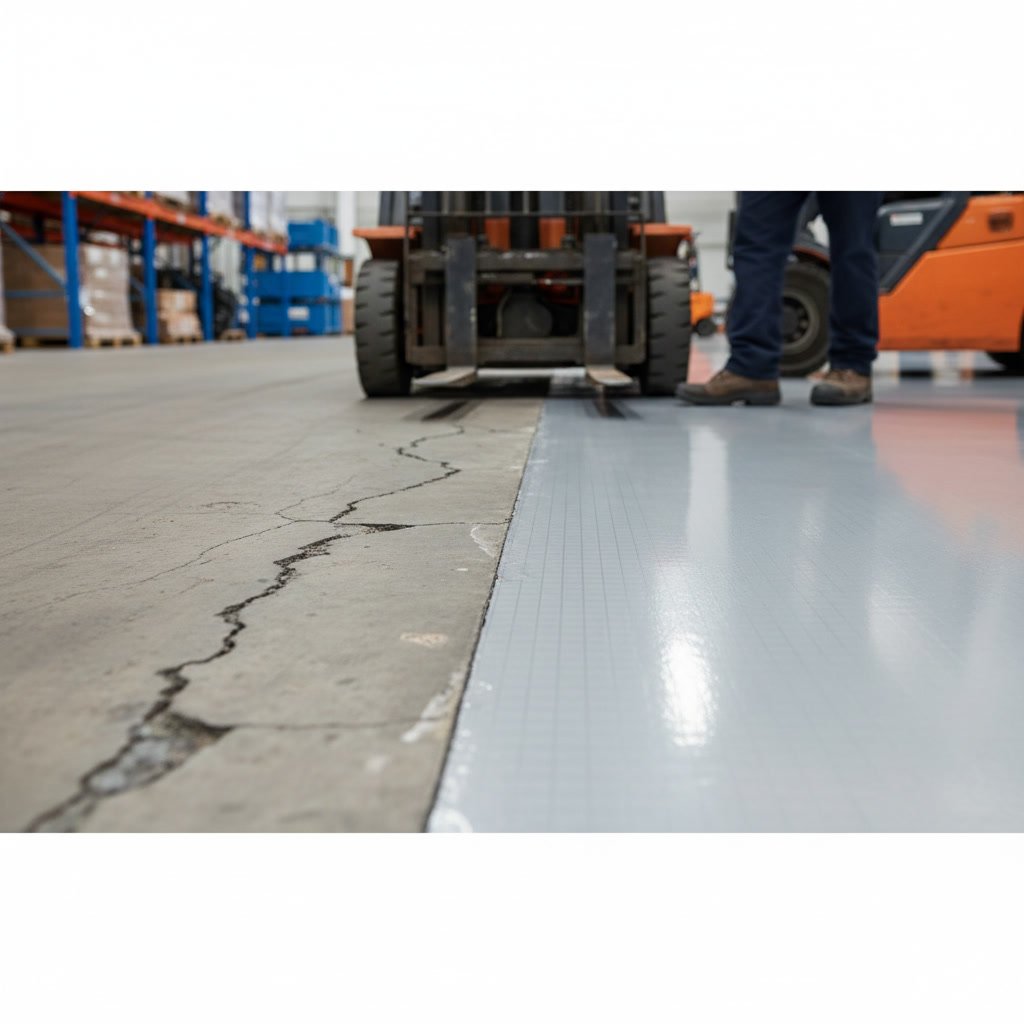
Bare concrete in warehouses and industrial spaces deteriorates quickly under operational stress. Forklifts, pallet jacks, and heavy equipment create surface wear. Chemical exposure from oils, solvents, and cleaning agents causes spalling and pitting. Moisture infiltration leads to concrete degradation and creates slip hazards.
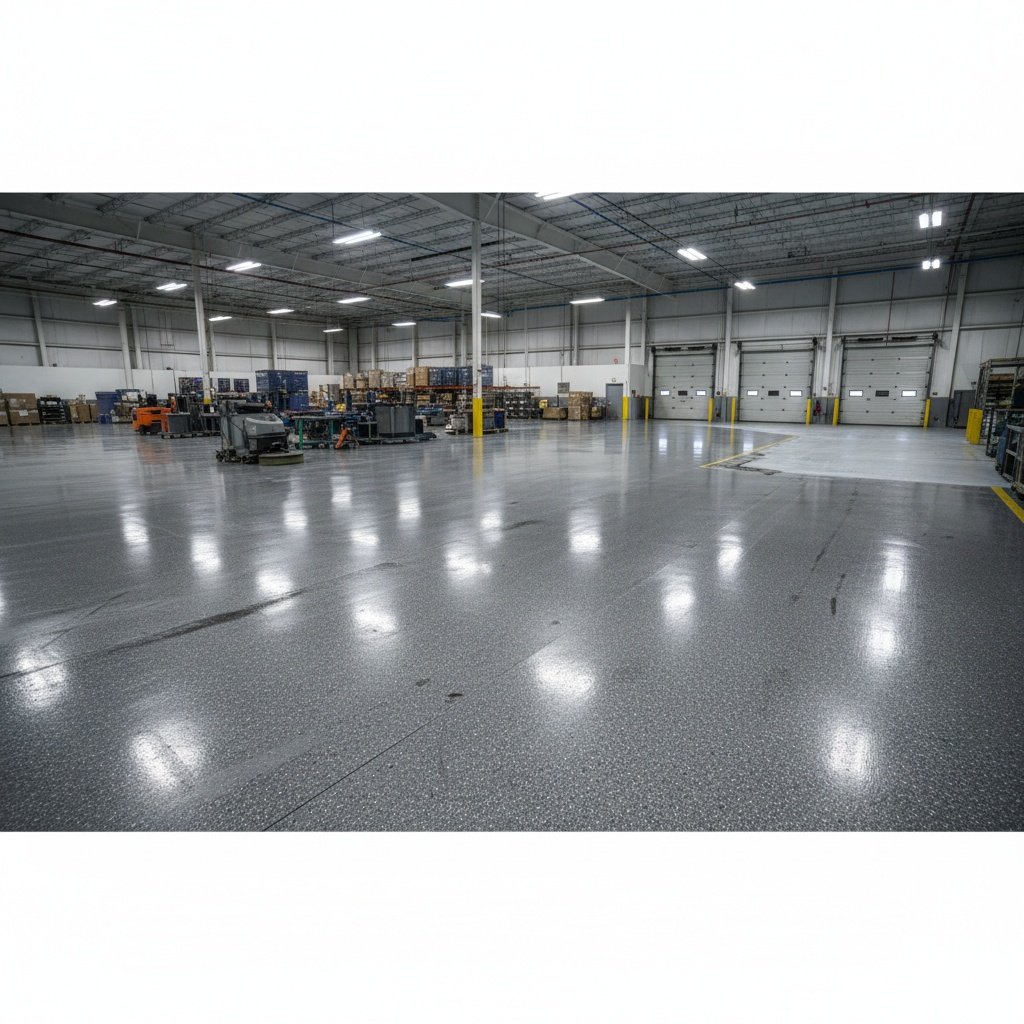
Industrial floor coatings address these issues by creating a protective barrier that extends concrete lifespan by decades. These systems seal the surface, prevent chemical penetration, resist abrasion, and often improve light reflectivity, reducing energy costs in large facilities.
The right coating system also enhances workplace safety. Anti-slip additives reduce fall risks, while clearly defined traffic lanes and hazard zones improve operational flow. Many facilities in Manhattan, Long Island, New Jersey, and Southeast Pennsylvania have discovered that investing in quality coatings reduces maintenance expenses by 60% or more over a ten-year period.
Pro Tip: Calculate the total cost of ownership, not just installation price. A coating that lasts 15 years with minimal maintenance costs less than one requiring reapplication every three to five years.
Epoxy Coating Systems
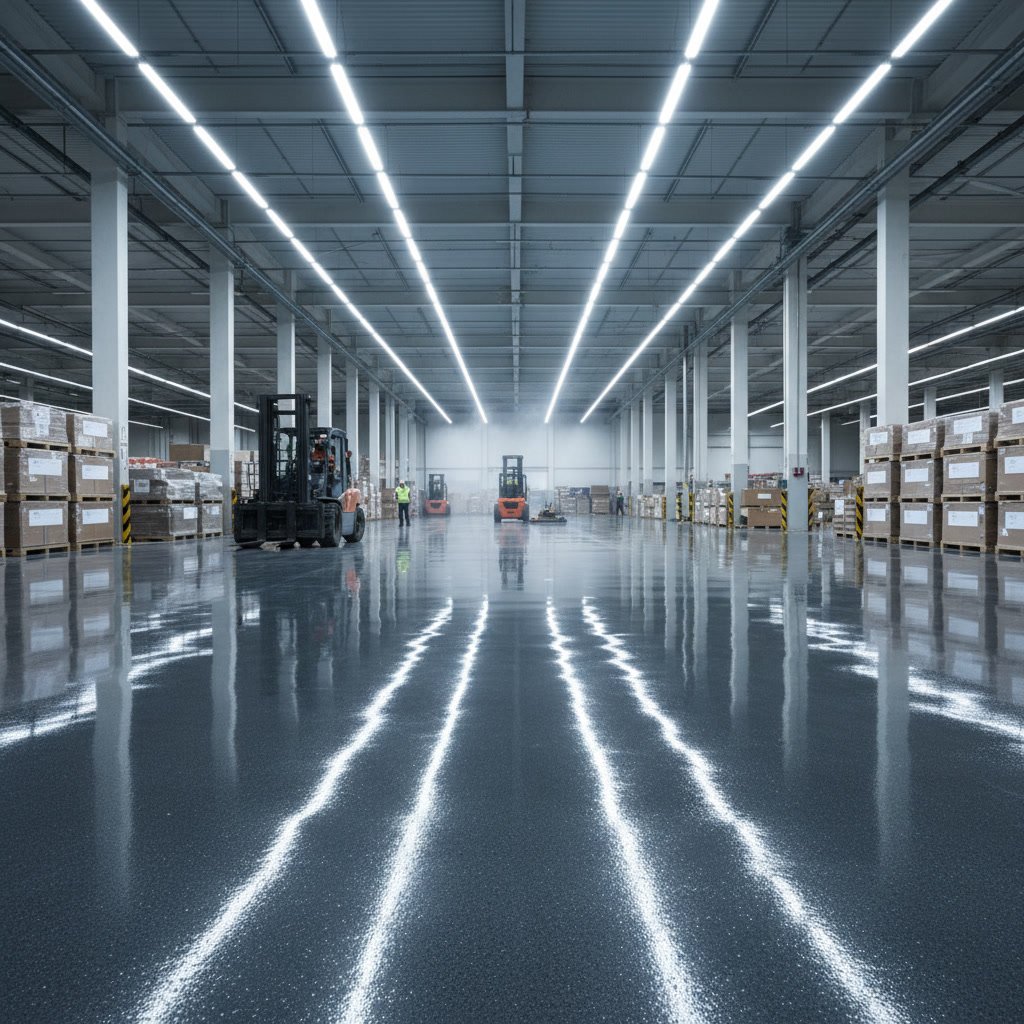
Epoxy remains the most widely used industrial floor coating, and for good reason. This two-part system combines resin and hardener to create a chemical bond with properly prepared concrete, resulting in a surface that handles significant abuse.
Standard Epoxy Coatings
Traditional epoxy coatings typically range from 10 to 20 mils thick (some systems exceed 60 mils for extreme conditions). They offer excellent chemical resistance against acids, alkalis, solvents, and petroleum products. Compressive strength often exceeds 10,000 psi, making them suitable for heavy equipment traffic.
These systems work well in warehouses, manufacturing plants, automotive shops, and pharmaceutical facilities. Installation requires surface preparation through grinding or shot blasting to achieve proper adhesion. Cure time typically ranges from 24 to 72 hours before the floor can handle foot traffic, with full cure taking seven days.
Epoxy With Broadcast Media
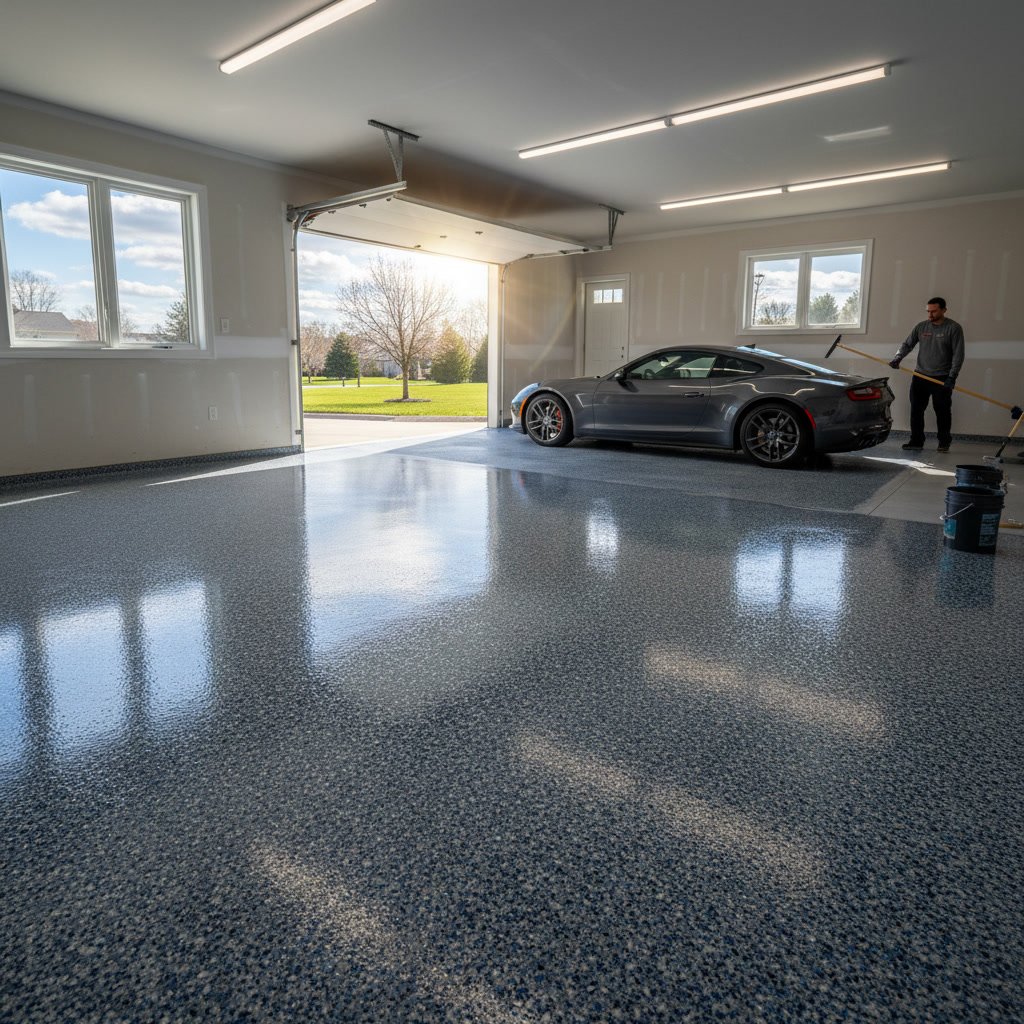
Many facilities enhance basic epoxy by broadcasting decorative flakes, colored quartz, or silica sand into the wet coating. Flake systems create attractive, slip-resistant surfaces ideal for showrooms and retail spaces with industrial demands. Quartz broadcast systems provide exceptional durability and texture for high-traffic zones like loading docks and production areas.
Colored quartz allows for color-coding different zones while maintaining excellent abrasion resistance. These systems typically include a clear topcoat that seals the broadcast media and provides additional UV and chemical protection.
Limitations of Epoxy
Epoxy has vulnerabilities worth noting. UV exposure causes yellowing and chalking, making it less suitable for outdoor applications or facilities with significant natural light exposure. Thermal shock from rapid temperature changes can cause brittleness. Installation requires controlled temperatures, typically between 50 and 90 degrees Fahrenheit, and low humidity.
Polyurethane and Urethane Topcoats
Urethane coatings often serve as topcoats over epoxy base layers, though they can function as standalone systems in certain applications. These coatings provide flexibility that epoxy lacks, making them resistant to thermal shock and impact damage.
Urethane systems maintain gloss longer than epoxy when exposed to UV light, reducing yellowing in facilities with skylights or outdoor areas. They resist scratching and abrasion exceptionally well, making them ideal for areas with heavy cart traffic or dragged pallets.
The flexibility of urethane creates a softer walking surface compared to rigid epoxy, which some facilities prefer for worker comfort. However, this same flexibility can be a drawback in areas where heavy static loads might cause indentation.
Urethane cement systems combine urethane with cement aggregate, creating a coating that withstands extreme thermal cycling, heavy impact, and aggressive chemical exposure. Food processing plants, commercial kitchens, and pharmaceutical manufacturing facilities frequently specify these systems because they handle thermal shock from steam cleaning and maintain integrity in freezer environments down to -40 degrees Fahrenheit.
Polyaspartic Coating Technology
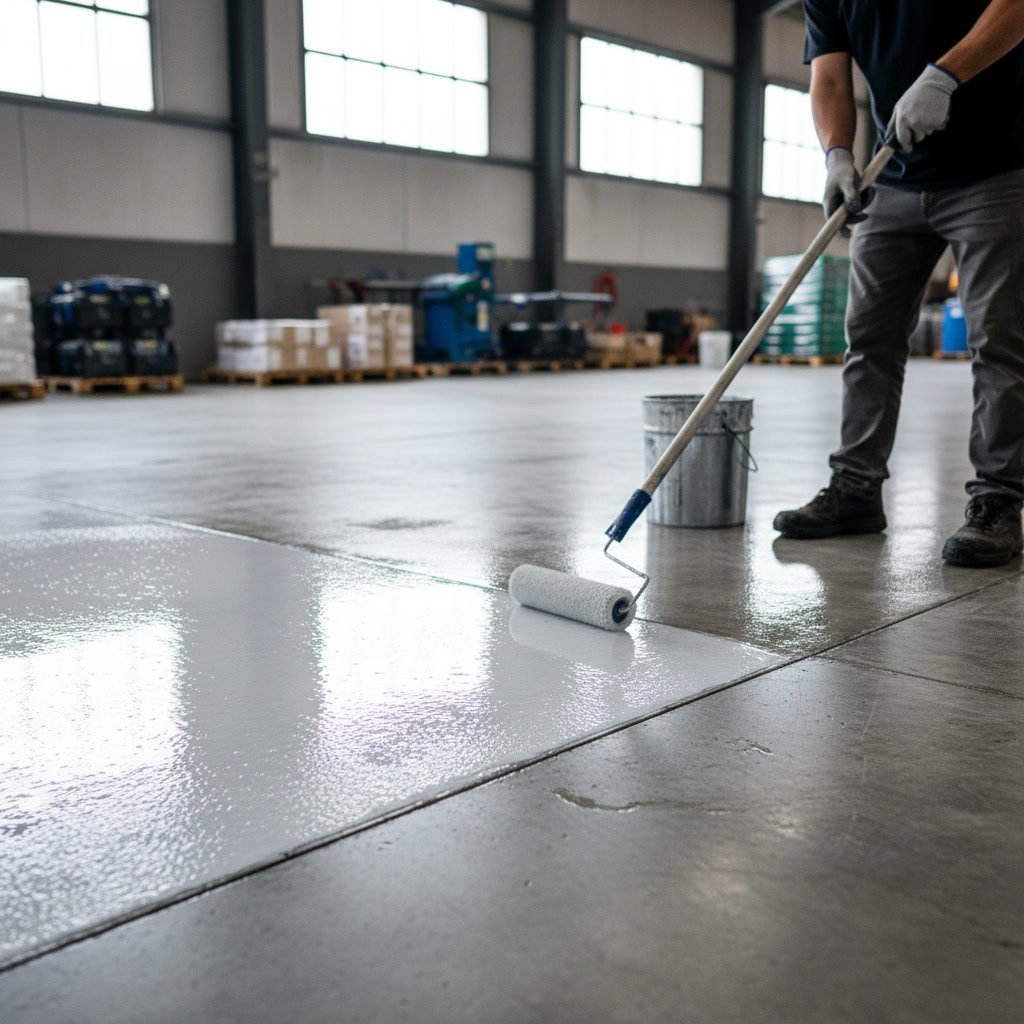
Polyaspartic coatings represent newer technology that addresses many limitations of traditional systems. These fast-cure coatings can be applied and ready for full traffic within 24 hours, minimizing operational downtime that costs warehouses and manufacturing facilities thousands of dollars per hour.
Installation flexibility sets polyaspartic apart. These coatings cure properly in temperatures ranging from 20 to 120 degrees Fahrenheit, expanding the installation window significantly. Humidity affects them less than epoxy, allowing installation in conditions that would halt traditional projects.
UV stability surpasses both epoxy and urethane, making polyaspartic ideal for facilities with extensive natural lighting or outdoor applications like walkways and loading dock surfaces. The coating resists yellowing, maintains gloss, and provides excellent chemical resistance.
The rapid cure time requires experienced applicators, as working time can be as short as 15 to 30 minutes depending on formulation and temperature. Cost typically exceeds standard epoxy by 20 to 40%, but reduced downtime often justifies the premium in operational facilities.
Polyurea Coating Systems
Polyurea coatings cure even faster than polyaspartic systems, often reaching full hardness within one to two hours. This extreme speed makes them valuable for facilities that cannot afford extended shutdowns.
These industrial floor coatings demonstrate exceptional flexibility and elongation properties, often exceeding 200%. This characteristic allows them to bridge hairline cracks and accommodate substrate movement without delaminating. Impact resistance surpasses most other coating types, making polyurea suitable for areas with dropped tools, equipment, or materials.
Chemical resistance varies by formulation but generally matches or exceeds epoxy for most common industrial chemicals. Temperature resistance ranges from -40 to 300 degrees Fahrenheit, handling thermal cycling in facilities with varying process temperatures.
The rapid cure demands spray application equipment and skilled technicians. Material costs run higher than standard epoxy, but installation speed and longevity often provide better value in high-demand facilities.
Hybrid Polyurea Systems
Some manufacturers offer hybrid polyurea-polyurethane formulations that balance the benefits of both technologies. These systems provide extended working time compared to pure polyurea while maintaining faster cure times than traditional urethane. They work well for mid-sized projects where pure polyurea speed isn’t critical but faster turnaround than epoxy is desired.
Key Takeaway: Fast-cure coatings like polyaspartic and polyurea minimize downtime but require experienced installation teams. The investment in skilled application prevents costly failures and ensures you achieve the performance benefits these advanced systems offer.
Waterproofing Coating Systems
Facilities with moisture issues, below-grade spaces, or exposure to standing water require specialized waterproofing coatings. These systems prevent water intrusion that damages concrete through freeze-thaw cycles, carries dissolved chemicals into the substrate, and creates slip hazards.
Waterproofing systems typically employ flexible membranes applied at higher thickness than standard coatings. They bridge cracks up to 1/8 inch and accommodate seasonal substrate movement. Many systems include antimicrobial additives that prevent mold and mildew growth, critical for food processing facilities and healthcare environments.
Basement floors, boiler rooms, and trash rooms benefit significantly from waterproofing coatings. These areas experience moisture from condensation, cleaning operations, or groundwater infiltration. Proper surface preparation, including filling expansion joints and repairing significant cracks, ensures waterproofing systems perform as specified.
Alliance Epoxy Flooring Corp frequently installs waterproofing systems in commercial restroom floors, public shower areas, and locker rooms throughout New Jersey and the surrounding region, where moisture exposure demands reliable protection.
Specialty Coating Options
Metallic Epoxy Coatings
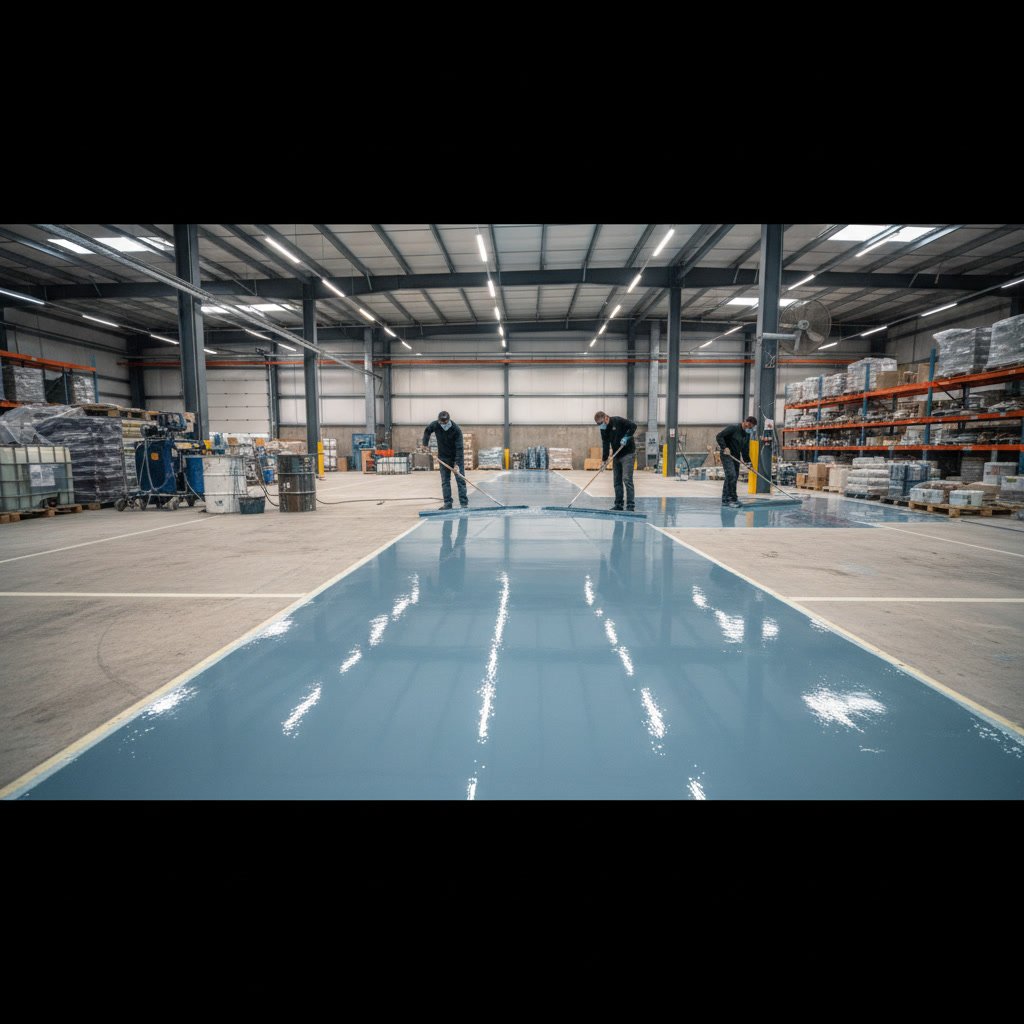
Metallic epoxy creates unique, three-dimensional visual effects using metallic pigments that shift and flow during application. While often associated with retail and hospitality spaces, industrial facilities increasingly use metallic coatings in customer-facing areas like showrooms, lobbies, and corporate office zones within larger facilities.
These systems maintain the durability and chemical resistance of standard epoxy while providing distinctive aesthetics that reinforce brand identity. Color options range from subtle earth tones to bold metallics, allowing customization that matches corporate colors or creates specific visual impacts.
Self-Leveling Systems
Facilities with damaged or extremely uneven concrete benefit from self-leveling epoxy or urethane systems. These high-build coatings, typically 1/8 to 1/4 inch thick, flow to create perfectly level surfaces that improve safety and facilitate equipment movement.
Self-leveling systems work well in pharmaceutical laboratories, clean rooms, and food processing plants where smooth, seamless surfaces prevent contamination and simplify sanitation. They eliminate joints and transitions that harbor bacteria and complicate cleaning protocols.
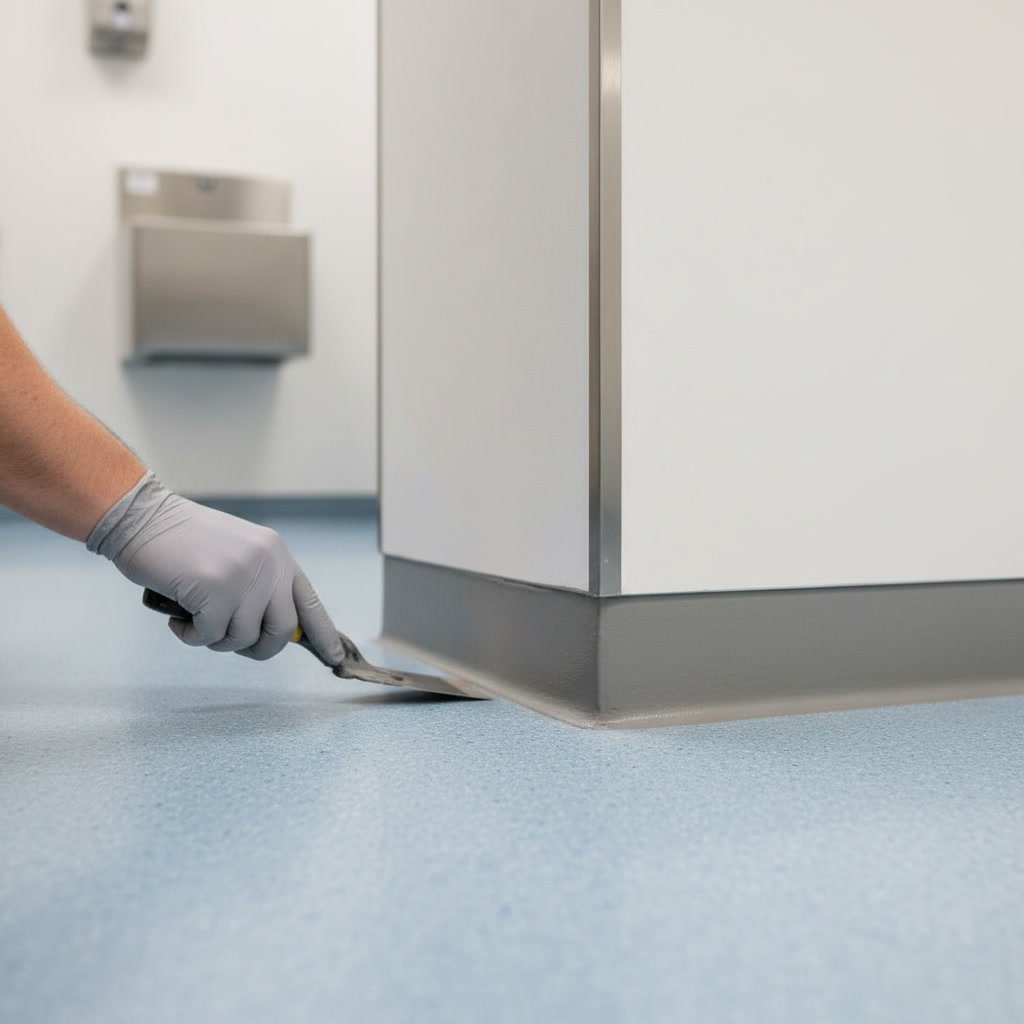
Cove Base Installation
Many industrial and commercial applications require cove base, where coating material extends up the wall to create a seamless transition between floor and vertical surfaces. This detail prevents moisture and contaminants from accumulating in corners, critical for facilities with stringent sanitation requirements.
Cove base typically rises four to six inches and creates a radius that eliminates the 90-degree corner. Food processing plants, commercial kitchens, hospitals, and medical facilities commonly specify this feature to meet health code requirements and simplify cleaning operations.
Selecting the Right Coating for Your Application
Choosing among industrial floor coatings requires evaluating several factors specific to your operation. Start by assessing traffic type and volume. Facilities with constant forklift traffic need higher abrasion resistance than those with primarily foot traffic. Heavy static loads from stored materials or equipment require rigid systems that resist indentation.
Chemical exposure determines coating selection significantly. List the specific chemicals present in your facility, including concentrations and exposure duration. Not all epoxies resist all chemicals equally. Strong acids, caustics, or solvents may require specialized formulations or alternative coating types.
Temperature ranges matter, particularly in facilities with process heating, cold storage, or outdoor exposure. Thermal cycling from daily or seasonal temperature swings can damage coatings not designed for flexibility. Steam cleaning operations introduce thermal shock that eliminates some coating options.
Installation timeline impacts coating choice directly. Can you shut down operations for five days, or do you need the floor returned to service within 24 hours? Fast-cure systems cost more but may save far more in avoided production losses.
Aesthetic requirements influence selection in customer-facing areas. Retail stores, building lobbies, and showrooms often justify premium systems like metallic coatings or polished concrete alternatives that create specific visual impacts while maintaining industrial durability.
Budget constraints require honest assessment. The cheapest coating per square foot often costs more over time through shorter lifespan and higher maintenance needs. Calculate lifecycle costs including cleaning, maintenance, and expected recoating intervals before making final decisions.
Surface Preparation and Installation Considerations
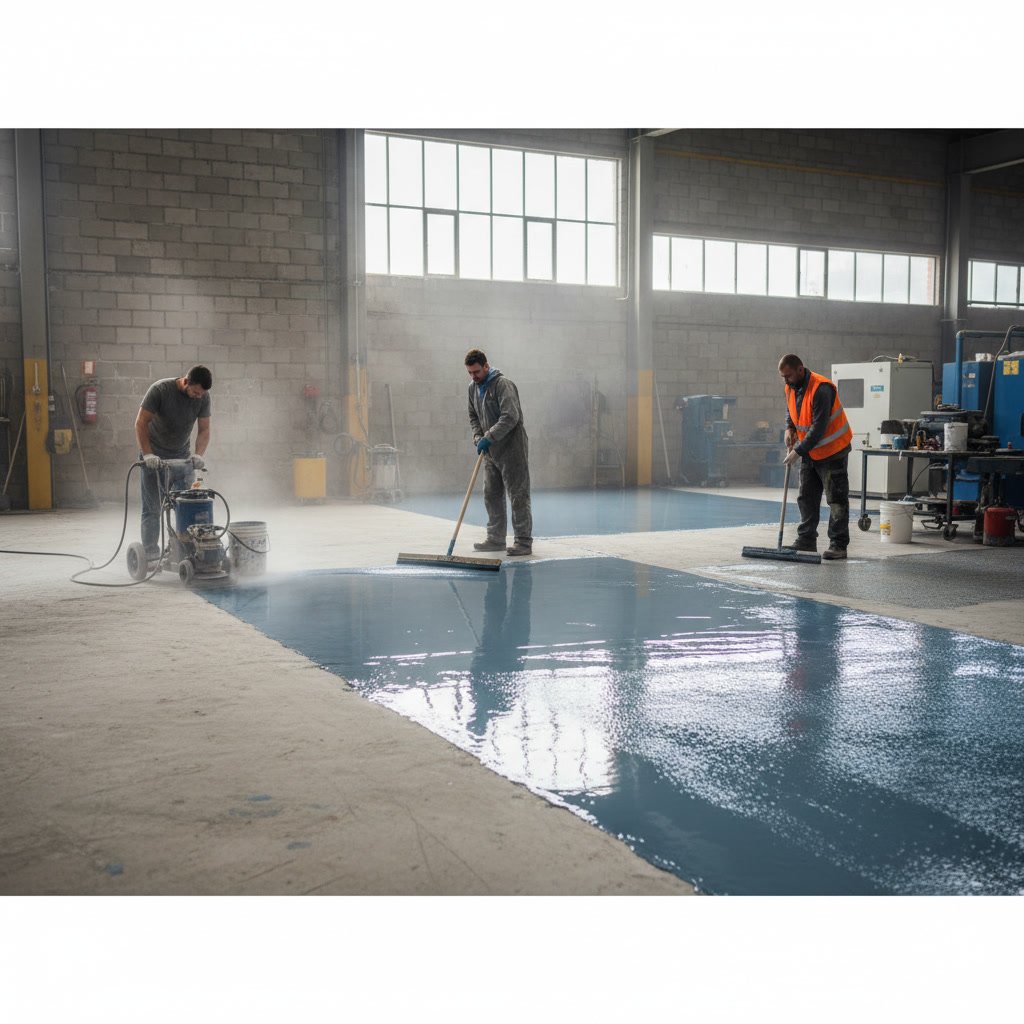
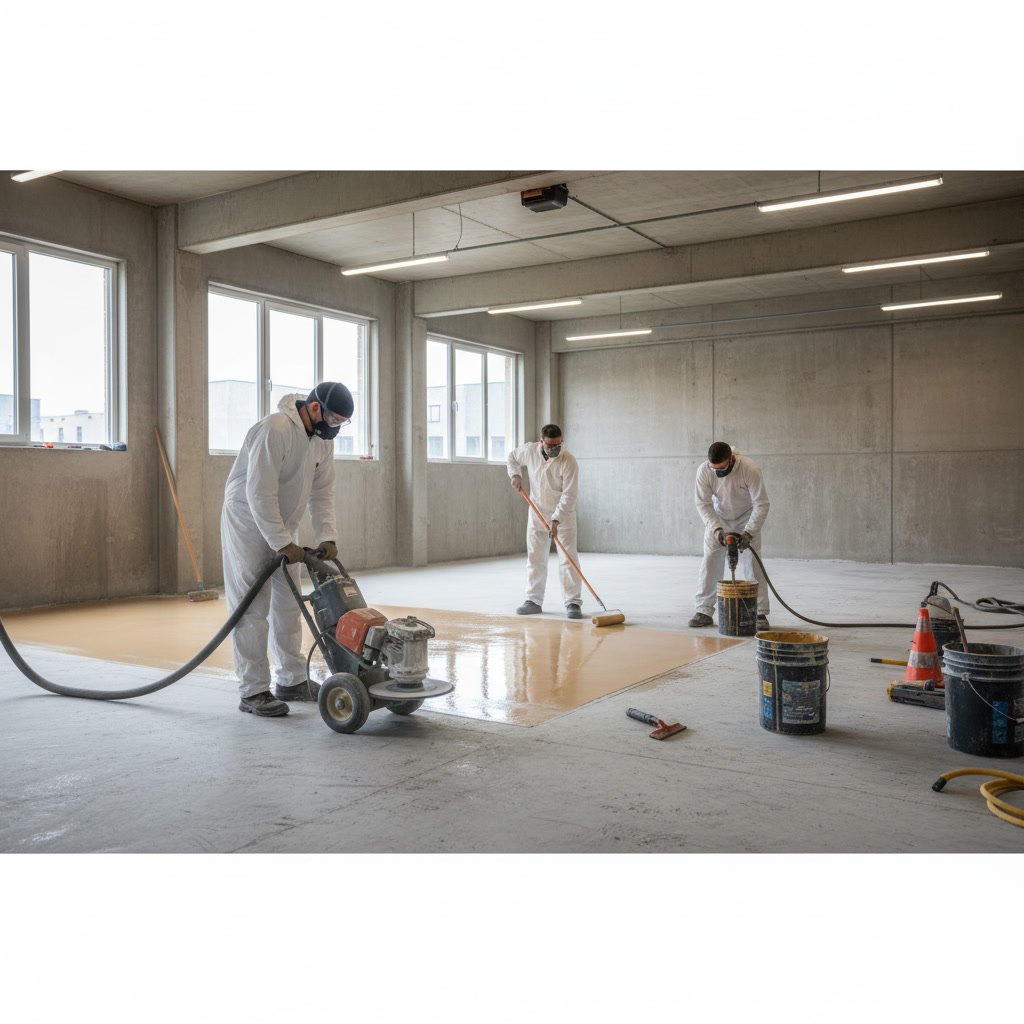
Even the highest-quality industrial floor coatings fail without proper surface preparation. Concrete must be clean, dry, and profiled to accept coating materials. Contamination from oils, curing compounds, or previous coatings prevents adhesion and leads to delamination.
Mechanical preparation through diamond grinding or shot blasting opens concrete pores and creates surface texture that allows coating penetration and mechanical bonding. The specific profile depth required varies by coating type, typically ranging from CSP 1 for thin coatings to CSP 3 or higher for thick-build systems.
Moisture testing prevents costly failures. Concrete releases water vapor that can trap beneath coatings, causing blisters and delamination. Calcium chloride tests or relative humidity probes identify moisture levels before installation proceeds. Problems detected early cost far less to address than failed coatings.
Crack repair, joint filling, and spall remediation prepare the substrate for coating. Expansion joints require flexible fillers that accommodate movement without cracking. Larger cracks need routing and filling with epoxy or polyurea compounds before coating application.
Environmental conditions during installation affect coating performance significantly. Temperature, humidity, and substrate temperature must fall within manufacturer specifications. Applying coatings outside recommended parameters voids warranties and often leads to application defects like blushing, slow cure, or poor adhesion.
Maintenance and Long-Term Performance
Proper maintenance extends coating life and preserves appearance. Regular cleaning removes abrasive dirt and grit that gradually wears surfaces. Sweeping or dust mopping daily, combined with periodic damp mopping using pH-neutral cleaners, maintains coatings without damaging them.
Avoid harsh chemicals unless your coating was specifically formulated to resist them. Strong alkaline cleaners damage some coatings over time. Similarly, steam cleaning introduces thermal shock that can cause checking or delamination in systems not designed for high-temperature exposure.
Address damage promptly. Small chips or scratches that expose concrete allow moisture and chemical intrusion that spreads damage. Most coating types can be spot-repaired if addressed quickly, preventing the need for full recoating.
Schedule professional inspections annually in high-use facilities. Experienced contractors identify wear patterns, developing issues, and maintenance needs before minor problems become major failures. These inspections also provide data for planning future recoating projects during scheduled shutdowns.
Expect 10 to 20 years from properly installed and maintained industrial floor coatings, depending on traffic and chemical exposure. Facilities that defer maintenance often see service life cut in half, while those following manufacturer guidelines sometimes exceed expected lifespan.
Frequently Asked Questions
How long does installation of industrial floor coatings take?
Installation time varies by coating type and facility size. Standard epoxy systems require three to five days including surface preparation, coating application, and cure time before the floor can handle traffic. Fast-cure polyaspartic or polyurea systems often return floors to service within 24 hours. Large warehouses may require phased installation to maintain partial operations during the project.
What is the cost difference between coating types?
Basic epoxy systems start around $3 to $5 per square foot for thin coatings, while thick-build systems with broadcast media range from $6 to $12 per square foot. Polyaspartic and polyurea systems typically run $7 to $15 per square foot. Specialty systems like urethane cement or self-leveling coatings can exceed $15 to $25 per square foot depending on thickness and requirements. These ranges include surface preparation and installation but vary based on facility conditions and project scope.
Can industrial floor coatings be applied over existing coatings?
Sometimes, but proper evaluation is critical. The existing coating must be well-bonded, chemically compatible with the new system, and properly prepared through cleaning and abrading. Many contractors recommend removing failing coatings rather than coating over them, as the new system is only as strong as what lies beneath. Professional assessment determines the best approach for your specific situation.
Do industrial floor coatings work in freezer or cold storage facilities?
Yes, but coating selection matters significantly. Standard epoxy becomes brittle in extreme cold and may crack. Urethane cement systems and certain polyurea formulations maintain flexibility and bond strength in temperatures down to -40 degrees Fahrenheit. These systems also resist thermal shock from temperature cycling when products move between cold storage and ambient areas.
How do industrial floor coatings compare to polished concrete?
Both options provide durable, low-maintenance flooring for industrial spaces. Polished concrete costs less initially, typically $3 to $8 per square foot, and requires no recoating. However, it offers less chemical resistance than coatings and cannot achieve the same slip resistance in wet areas. Coatings provide more color options, better chemical protection, and can be applied over poor-quality concrete that cannot be polished effectively. The best choice depends on your specific requirements, budget, and existing concrete condition.
Getting Started With Your Industrial Flooring Project
Selecting the right industrial floor coatings transforms your warehouse or manufacturing facility into a safer, more efficient, and longer-lasting workspace. Whether you need chemical-resistant epoxy for a pharmaceutical laboratory, fast-cure polyaspartic for a high-volume distribution center, or waterproofing systems for moisture-prone areas, understanding your options ensures you make informed decisions.
Alliance Epoxy Flooring Corp provides expert installation of all coating systems discussed in this guide throughout Newark, Manhattan, Long Island, New Jersey, and Southeast Pennsylvania. Our team evaluates your facility’s specific requirements, recommends appropriate systems, and delivers professional installation backed by years of experience in demanding industrial environments.
Contact us at +18005189080 to schedule a facility evaluation and receive a detailed proposal tailored to your operational needs and timeline requirements.