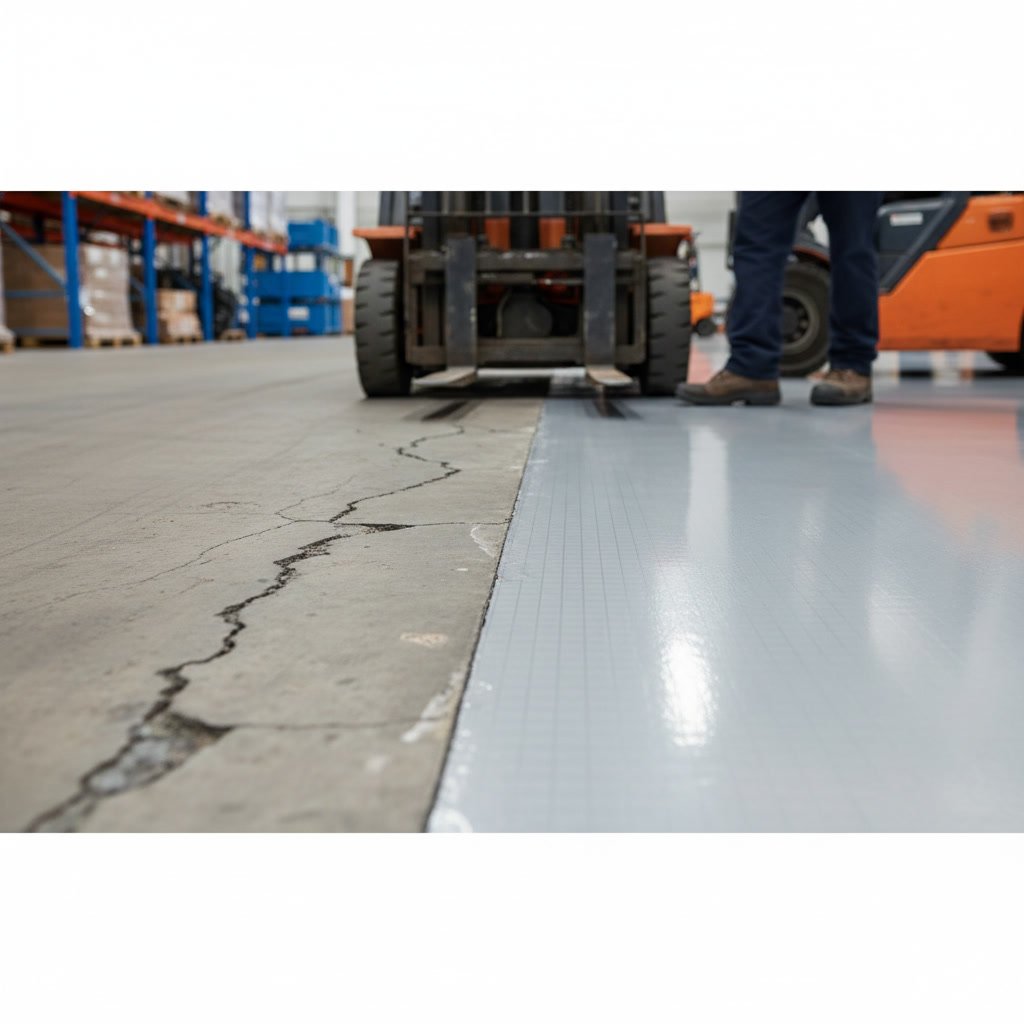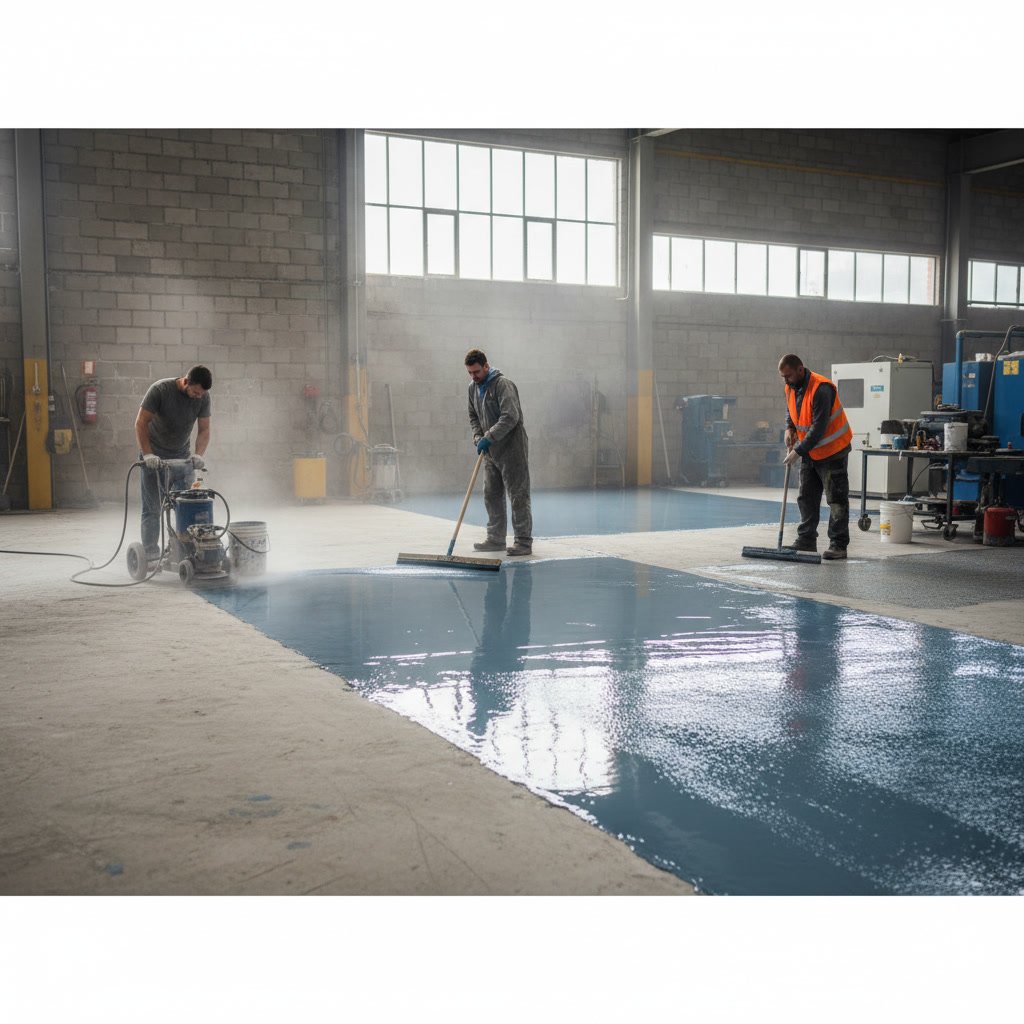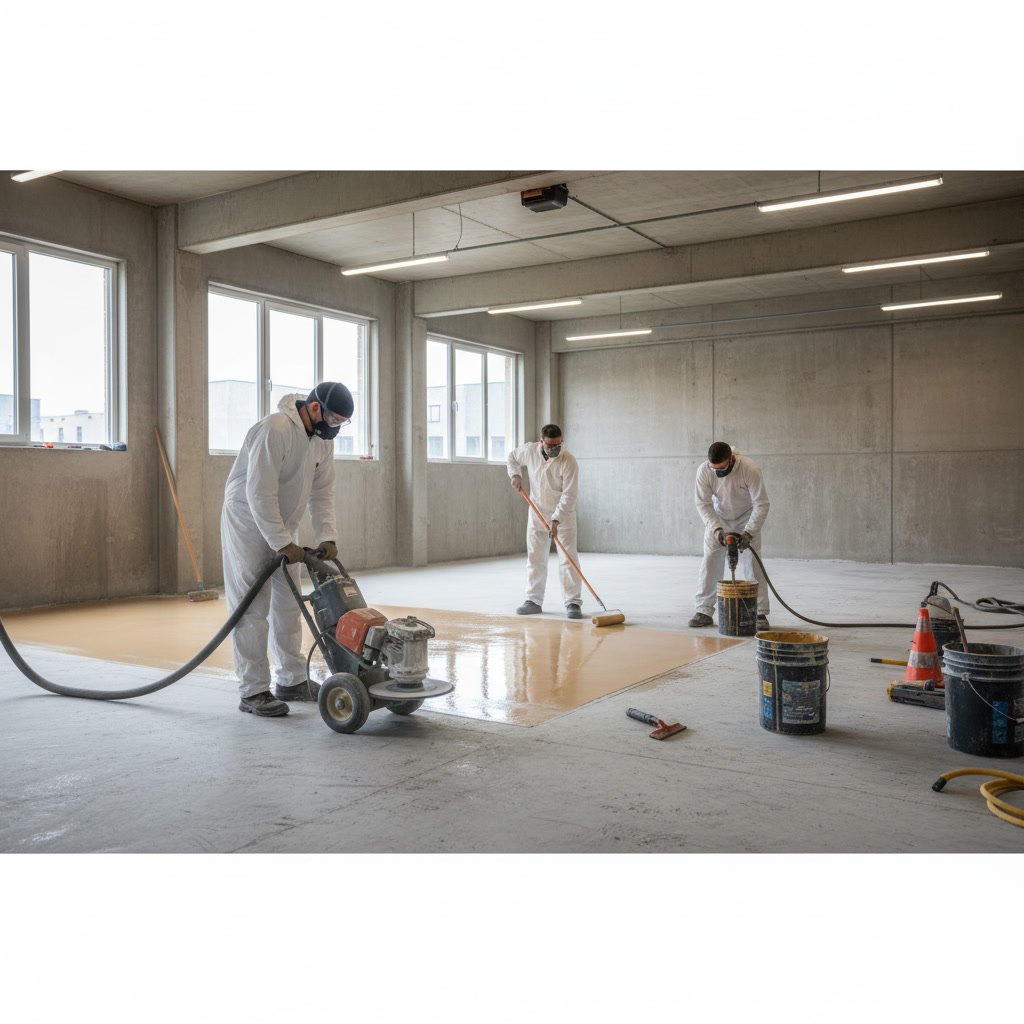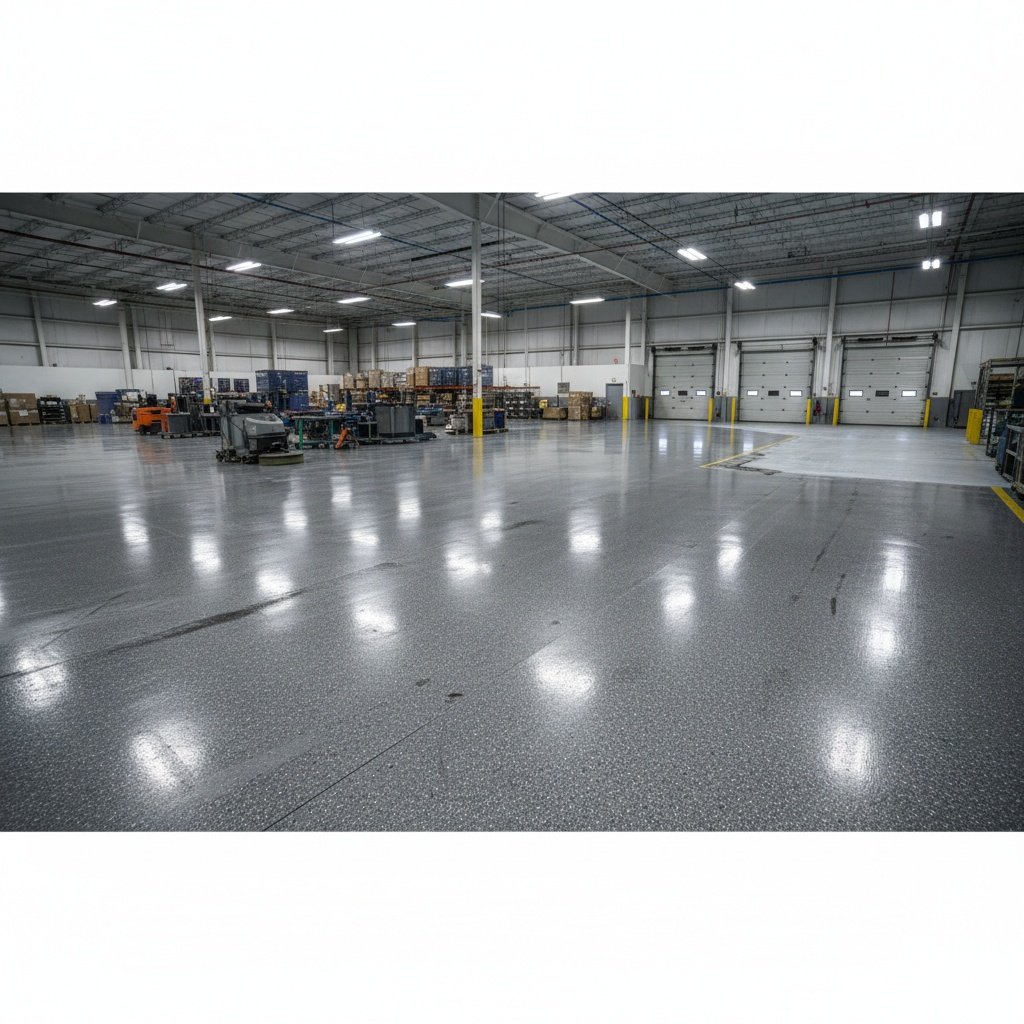
Manhattan basements are under constant assault from moisture. Groundwater pressure, aging infrastructure, seasonal flooding, and the island’s high water table create the perfect conditions for water intrusion, mold growth, and structural damage. Traditional waterproofing methods often fail within years, leaving property owners facing costly repairs and unusable space. Polyurea coating waterproofing offers a modern solution engineered to withstand these harsh conditions while curing fast enough to minimize downtime in busy commercial and residential properties.
This guide explains why polyurea coating waterproofing has become the preferred choice for Manhattan basement protection, how it compares to traditional methods, and what you need to know before installation.
What Makes Polyurea Coating Waterproofing Different
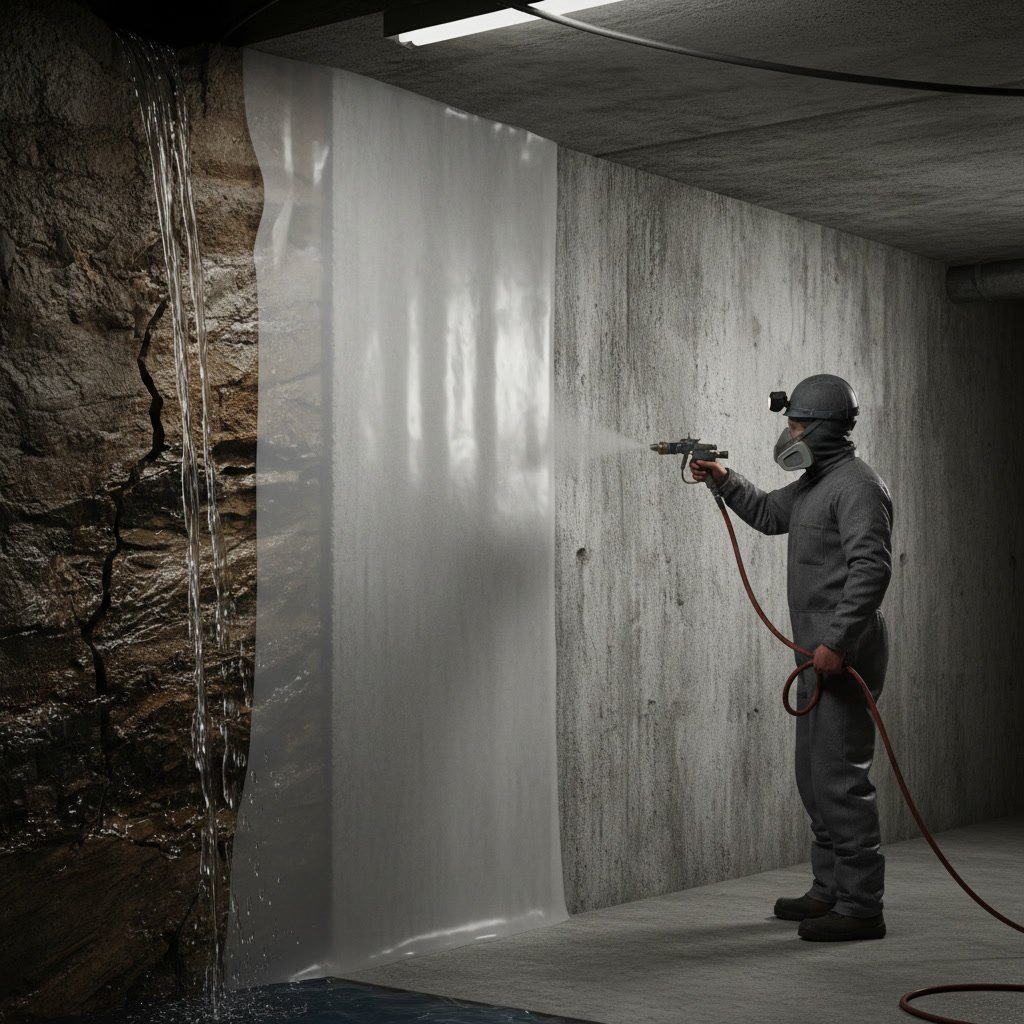
Polyurea is a spray-applied elastomer formed by mixing isocyanate and amine-based resins. The chemical reaction happens almost instantly, creating a seamless, flexible membrane that bonds directly to concrete surfaces. Unlike epoxy or polyurethane coatings, polyurea sets in seconds and reaches full cure within 24 hours.
The material’s molecular structure gives it exceptional elongation properties, typically between 300% and 400%. This means the coating stretches with concrete movement caused by settling, temperature changes, or minor ground shifts without cracking or delaminating.
Temperature tolerance is another key advantage. Polyurea maintains its waterproof seal in temperatures ranging from -40°F to 300°F, making it ideal for unheated Manhattan basements that experience seasonal temperature swings. The coating also resists most chemicals, including the salts and de-icing agents that seep through city streets into basement structures.
Primary Benefits for Manhattan Basement Applications
Rapid Cure Time Minimizes Disruption
Manhattan property owners cannot afford weeks of downtime. Polyurea coating waterproofing systems can be applied and ready for foot traffic within 24 hours. Commercial spaces regain functionality faster, and residential basements return to use almost immediately.
Traditional floor waterproofing methods using multiple layers of membrane or cementitious coatings often require three to seven days before the space becomes usable again. In multi-unit buildings or commercial facilities, this extended timeline translates to lost revenue and tenant complaints.
Superior Adhesion to Damp Concrete
Manhattan basements rarely stay completely dry. Moisture vapor transmission through concrete slabs is constant, and many older buildings never achieve full dryness. Polyurea formulations bond effectively even when concrete contains residual moisture, a common failure point for epoxy systems that require bone-dry substrates.
This adhesion quality proves critical during emergency waterproofing after flooding events or pipe failures. Where other coatings would delaminate or blister, polyurea creates a lasting bond that holds under hydrostatic pressure.
Seamless Coverage Eliminates Weak Points
Sheet membrane systems have seams that eventually fail. Painted-on coatings have thin spots. Polyurea applies as a continuous spray that flows into corners, around penetrations, and across expansion joints without breaks in coverage.
The typical application thickness ranges from 60 to 125 mils (0.06 to 0.125 inches), providing substantial protection while conforming to surface irregularities. Technicians can build up thickness in problem areas without creating edges or ridges that trap water.
Pro Tip: For basements with active water seepage, combine polyurea coating waterproofing with proper drainage systems and vapor barriers. Even the best coating cannot solve inadequate drainage or missing sump pumps.
How Polyurea Coating Compares to Alternative Waterproofing Methods
Manhattan contractors have access to multiple waterproofing technologies. Understanding the trade-offs helps property owners make informed decisions.
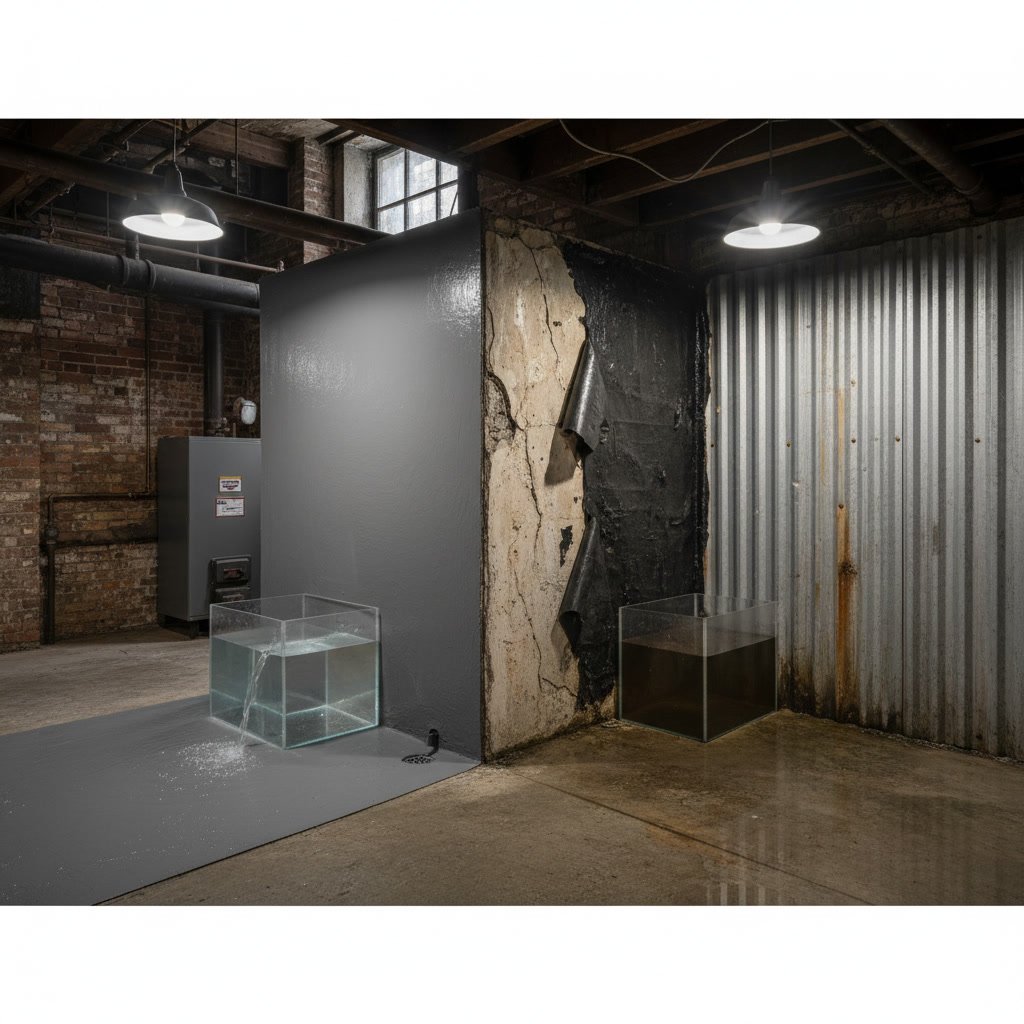
Cementitious waterproofing compounds cost less initially but lack flexibility. As buildings settle or concrete cracks develop, rigid coatings fracture and allow water penetration. They also require longer cure times and multiple coats to achieve adequate protection.
Epoxy coatings offer excellent chemical resistance and durability but struggle with moisture vapor. Application requires completely dry substrates, which many Manhattan basements never achieve. Epoxy also has limited flexibility, making it prone to cracking in dynamic environments. For applications where epoxy excels, such as commercial kitchens and industrial spaces, epoxy coatings remain the preferred choice.
Polyurethane coatings sit between epoxy and polyurea in performance. They cure slower than polyurea, offer less chemical resistance, and degrade faster under UV exposure. However, they cost less and work well for lighter-duty applications where extreme durability is not required.
Installation Process and Surface Preparation Requirements
Successful polyurea coating waterproofing depends on proper surface preparation. The concrete must be structurally sound, free of loose material, and profiled to accept the coating. Concrete floor preparation typically involves grinding to remove contaminants and create the necessary surface texture.
Existing coatings, adhesives, and sealers must be completely removed. Old mastic from tile installations or carpet glue creates bond failure points. Alliance Epoxy Flooring Corp provides specialized services for concrete floor mastic removal and other preparation steps essential to long-term performance.
Cracks wider than 1/8 inch require filling before coating application. Active cracks that indicate ongoing structural movement may need flexible joint filler or routing to prevent coating failure. Surface profiling should achieve a Concrete Surface Profile (CSP) rating of 2 to 3, creating adequate mechanical bonding points without excessive roughness.
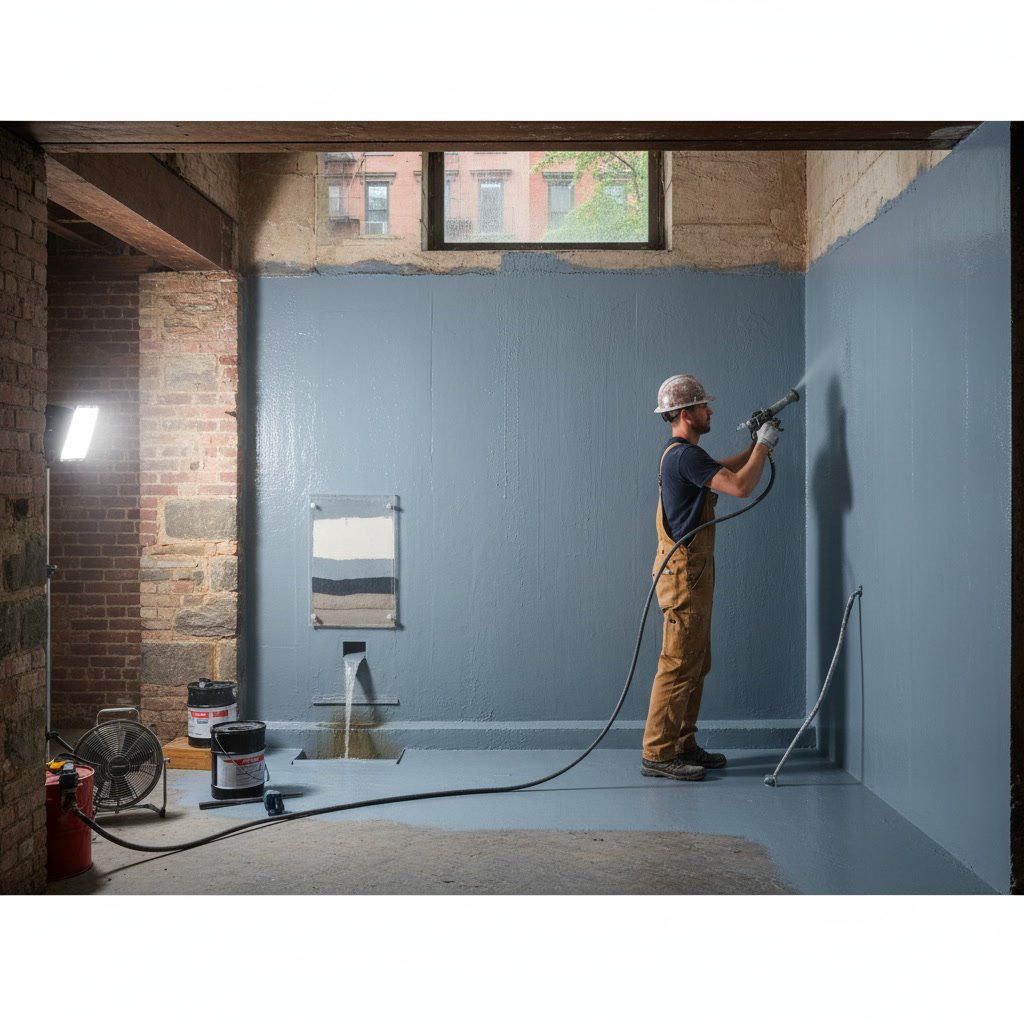
Application happens in controlled conditions. Substrate temperature must stay between 40°F and 100°F, with humidity below 85%. The two-component polyurea material sprays through specialized equipment heated to 160°F to 180°F, ensuring proper mixing and flow characteristics.
Most Manhattan basements receive application in multiple passes to build the target thickness. Technicians work systematically to avoid thin spots and ensure complete coverage around pipes, columns, and wall-floor intersections. The coating gels within 10 to 30 seconds and allows recoating within minutes.
Cost Considerations and Long-Term Value
Polyurea coating waterproofing costs more upfront than basic sealers or paint-on membranes. Typical Manhattan installation ranges from 8 to 15 dollars per square foot, depending on surface condition, thickness requirements, and access challenges.
However, lifespan calculations shift the value proposition. Quality polyurea installations last 15 to 25 years with minimal maintenance, while cheaper alternatives require replacement every three to seven years. Over a 20-year period, polyurea often delivers lower total cost despite higher initial investment.
Factor in the cost of water damage during coating failures. A single flooding event can destroy HVAC equipment, stored materials, finished spaces, and tenant improvements worth tens of thousands of dollars. Insurance deductibles, business interruption, and lost rental income add additional financial impact.
Property value also increases with reliable waterproofing. Manhattan commercial and residential real estate commands premium prices when basement spaces function as usable square footage rather than damp storage areas plagued by musty odors and mold concerns.
Common Manhattan Basement Waterproofing Challenges
The unique characteristics of Manhattan construction create specific waterproofing obstacles that polyurea coating addresses effectively.
Older buildings often have rubble foundations or brick basement walls that allow water migration. While polyurea coating waterproofing cannot stop water entering through walls, it prevents moisture from wicking up through floor slabs and creates a barrier against standing water from drainage failures.
High water tables in lower Manhattan neighborhoods put constant hydrostatic pressure on basement structures. Coatings must withstand this pressure without delaminating. Polyurea’s strong bond strength and flexibility help it resist the lifting forces that cause other waterproofing systems to fail.
Shared walls between buildings and tight access limit installation options. Spray application allows technicians to waterproof difficult areas that sheet membranes cannot reach without extensive demolition. The rapid cure time also reduces conflicts with neighboring tenants.
Building code compliance adds complexity. New York City construction codes require specific waterproofing standards for occupied spaces and mechanical rooms. Professional installation ensures compliance while maximizing protection.
Key Takeaway: Manhattan basements need waterproofing systems engineered for urban challenges including limited access, high water tables, aging infrastructure, and minimal downtime tolerance. Polyurea coating delivers on all these requirements when properly applied.
Maintenance and Performance Monitoring
Polyurea coating waterproofing requires minimal maintenance but benefits from periodic inspection. Annual visual checks identify any mechanical damage from equipment moves, construction activity, or vandalism. Small damaged areas can be patch-repaired by grinding out the affected section and reapplying coating material.
Clean the surface quarterly using mild detergent and water. Avoid harsh chemicals or abrasive cleaners that can degrade the coating over time. Steam cleaning works well for removing oil, grease, or other contaminants in commercial basements.
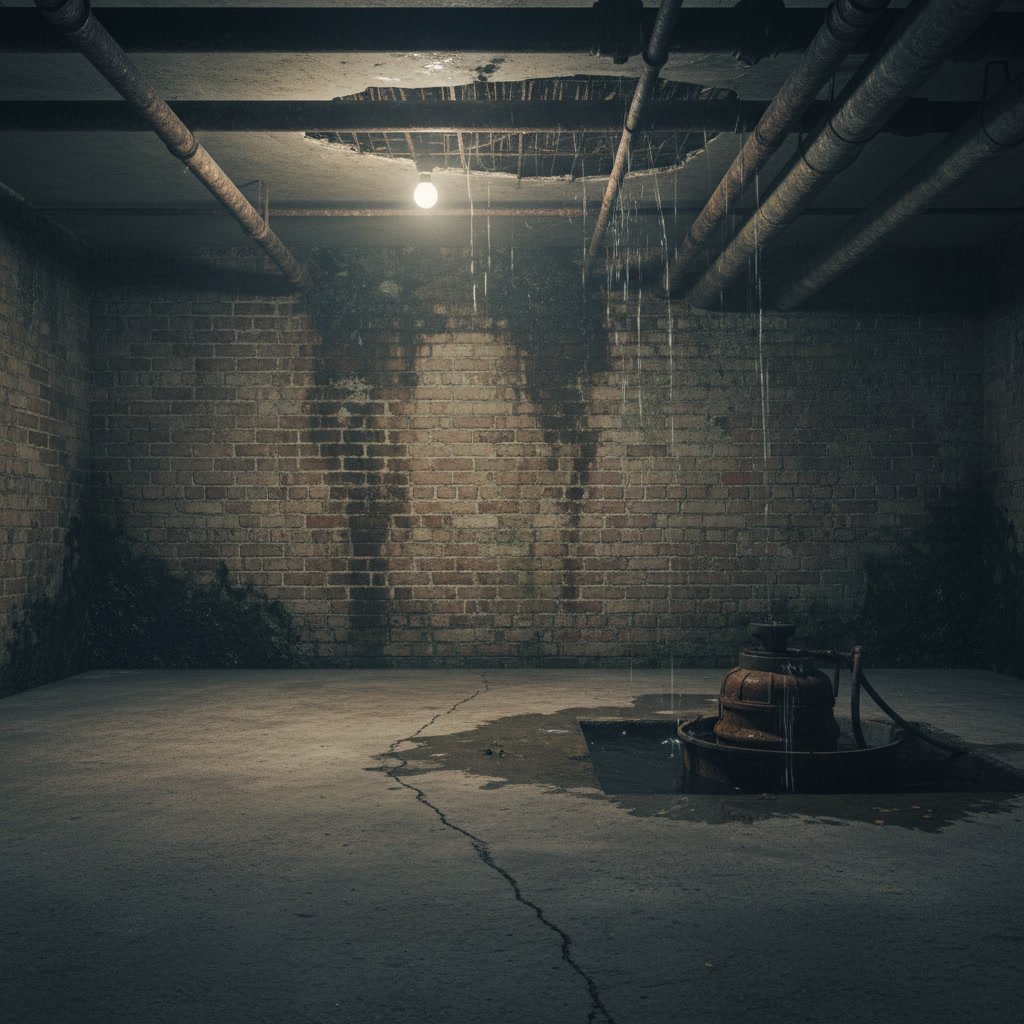
Monitor for signs of water intrusion around the perimeter, near pipe penetrations, and at control joints. Dampness or discoloration suggests drainage problems or coating damage that needs immediate attention. Catching issues early prevents minor problems from becoming major failures.
For commercial applications experiencing heavy traffic or chemical exposure, consider applying a urethane top coat to enhance abrasion resistance and extend coating life. This sacrificial layer protects the waterproofing membrane while providing additional aesthetic options.
Selecting the Right Waterproofing Partner in Manhattan
Not all contractors have the equipment, training, or experience to install polyurea coating waterproofing correctly. The fast reaction time demands skilled applicators who understand spray techniques, thickness control, and proper surface preparation.
Look for contractors with manufacturer certifications for the specific polyurea products they use. These certifications require training on application parameters, safety protocols, and quality control measures that ensure consistent results.
Review previous Manhattan projects similar to your application. Commercial waterproofing differs from residential work in scale, access challenges, and performance requirements. A contractor experienced with your specific building type brings valuable knowledge about local conditions and common issues.
Verify insurance coverage including general liability and workers compensation. Polyurea application involves specialized equipment, high temperatures, and chemical materials that create liability exposure. Proper coverage protects property owners from claims arising during installation.
Understanding the differences between coating technologies helps when reviewing proposals. Some contractors may recommend alternatives to polyurea based on their equipment inventory or comfort level rather than your specific needs. A knowledgeable contractor explains why they recommend specific solutions for your situation. For additional context on coating options for different environments, review our guide on types of industrial floor coatings for warehouses and industrial spaces.
Frequently Asked Questions
How long does polyurea coating waterproofing last in Manhattan basements?
Quality polyurea installations typically last 15 to 25 years when properly maintained. Lifespan depends on substrate condition, application quality, traffic levels, and exposure to chemicals or mechanical damage. Manhattan’s freeze-thaw cycles and urban pollutants have minimal impact on polyurea’s durability compared to other coating types.
Can polyurea coating be applied over existing basement waterproofing?
This depends on the existing system’s condition and compatibility. Polyurea bonds well to sound concrete, existing polyurea, and some polyurethane coatings. However, it will not adhere reliably to epoxy, acrylic sealers, or degraded membranes. Professional surface evaluation determines whether existing materials need removal before application.
Does polyurea coating waterproofing work on basement walls or just floors?
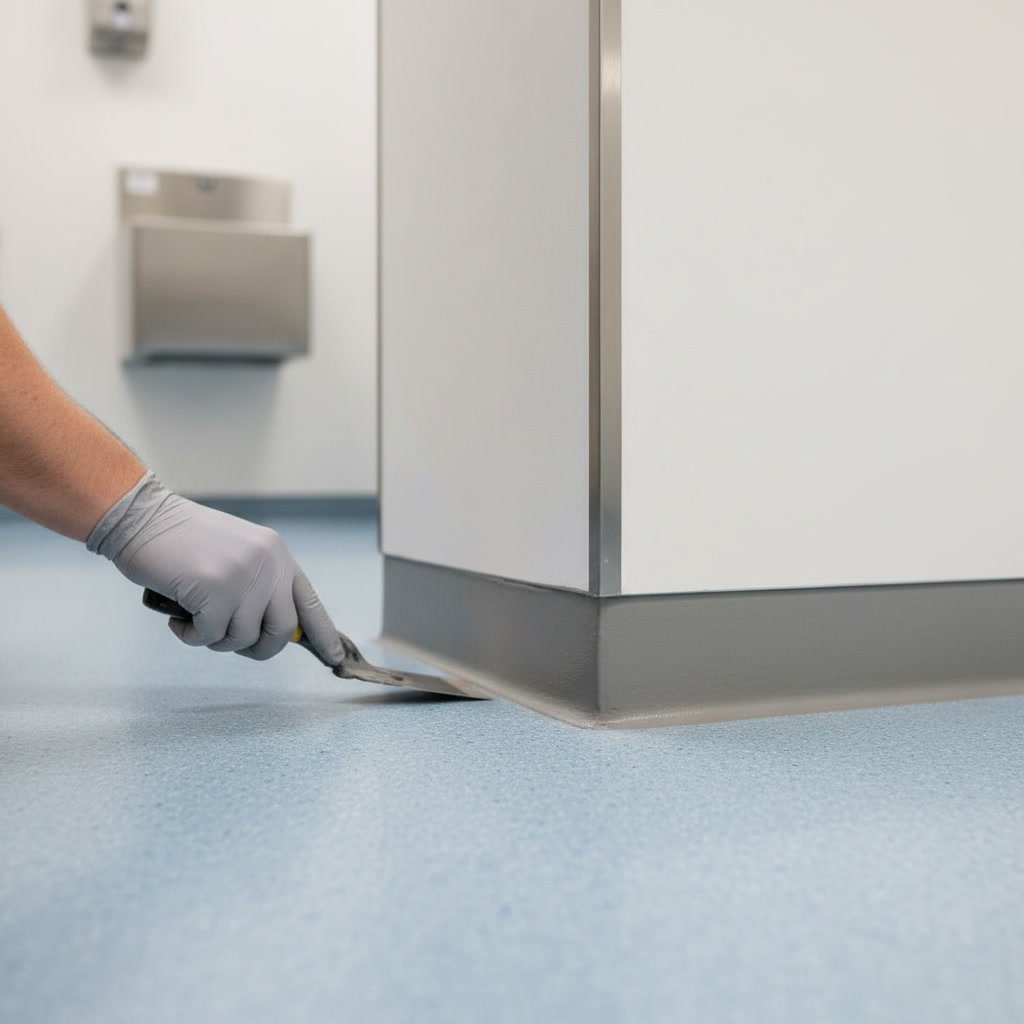
Polyurea applies effectively to both vertical and horizontal surfaces. Basement walls, floor-wall transitions, and cove base areas all benefit from seamless polyurea coverage. Specialized formulations control sag on vertical surfaces while maintaining proper thickness. Many Manhattan installations include floor and wall coverage for comprehensive moisture protection.
How does polyurea coating handle basement floor drains and utility penetrations?
Professional installers detail these critical areas using buildup techniques that create watertight seals around pipes, drains, and conduits. The coating flows around irregular shapes and can build extra thickness at vulnerable points. Some installations incorporate primer systems or mechanical terminations for added security at penetrations.
Will polyurea coating eliminate all basement moisture problems?
No coating alone solves all moisture issues. Polyurea coating waterproofing prevents water intrusion through floor slabs and protects against standing water, but it does not address moisture entering through walls, poor drainage, or high humidity. Effective basement waterproofing combines proper coating with functioning gutters, grading, drainage systems, and dehumidification where needed.
Protecting Your Manhattan Basement Investment
Manhattan real estate represents substantial investment that demands protection from water damage. Polyurea coating waterproofing provides reliable, long-lasting defense against the moisture challenges unique to urban basement environments. The combination of rapid installation, superior flexibility, and exceptional durability makes it the preferred choice for property owners who cannot afford downtime or repeated waterproofing failures.
Alliance Epoxy Flooring Corp specializes in polyurea coating applications throughout Manhattan NY and the surrounding region. Our certified technicians bring the expertise and equipment needed to deliver waterproofing systems that perform reliably for decades. Whether you manage a commercial building facing tenant complaints about dampness or own a brownstone with a chronically wet basement, we provide solutions engineered for your specific challenges. Contact us at +18005189080 to schedule a site evaluation and learn how polyurea coating waterproofing can protect your property.