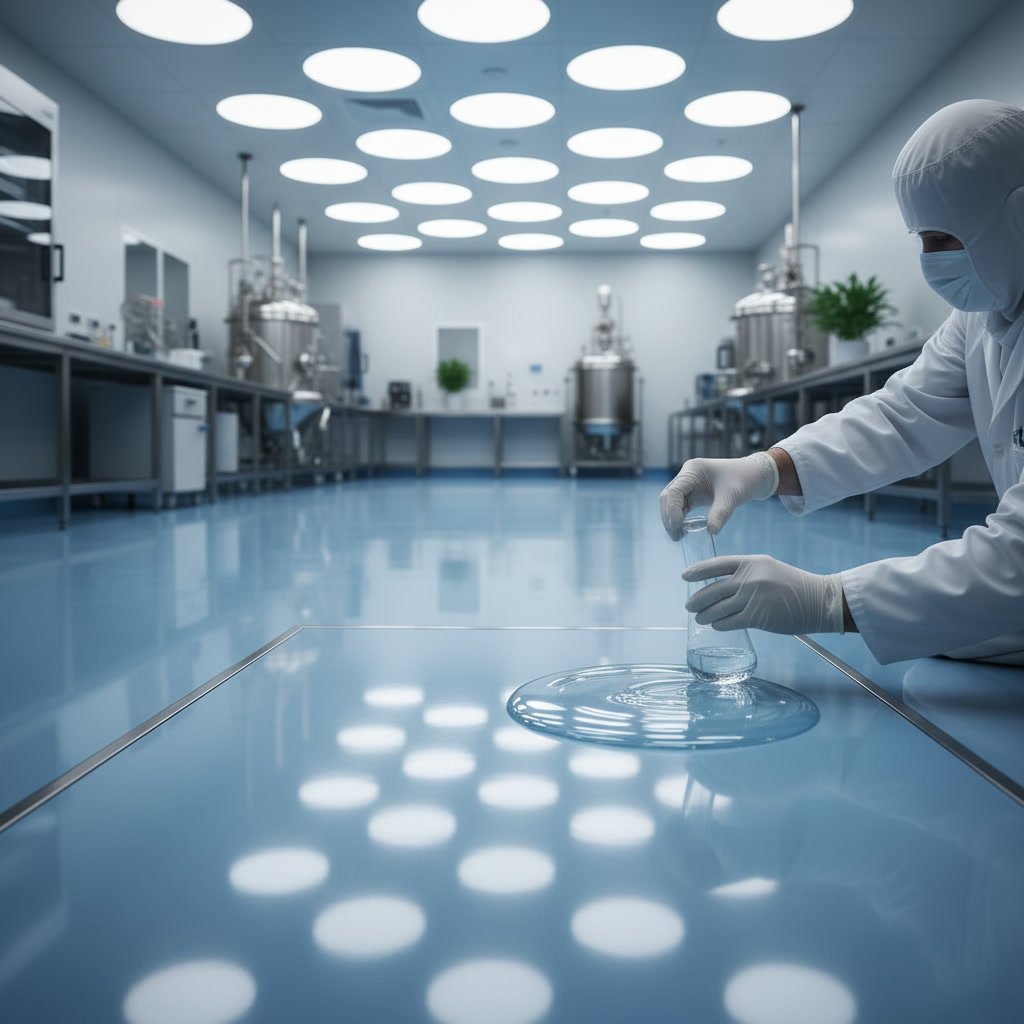
Pharmaceutical laboratories require seamless, non-porous flooring that prevents contamination from chemicals, microbes, and particulates. Specialized epoxy flooring pharmaceutical systems create monolithic surfaces without joints or seams where bacteria can harbor, while resisting aggressive cleaning agents and maintaining sterile conditions required by FDA and cGMP regulations. These high-performance coatings provide the foundation for contamination control in drug manufacturing, research labs, and cleanroom environments.
The pharmaceutical industry faces unique flooring challenges that standard commercial surfaces cannot address. Drug manufacturing facilities must maintain strictly controlled environments where even microscopic floor defects can compromise product purity, trigger costly recalls, or violate regulatory compliance. Understanding how specialized flooring systems protect these critical spaces helps facility managers make informed decisions about long-term contamination prevention.
Why Traditional Flooring Fails in Pharmaceutical Environments
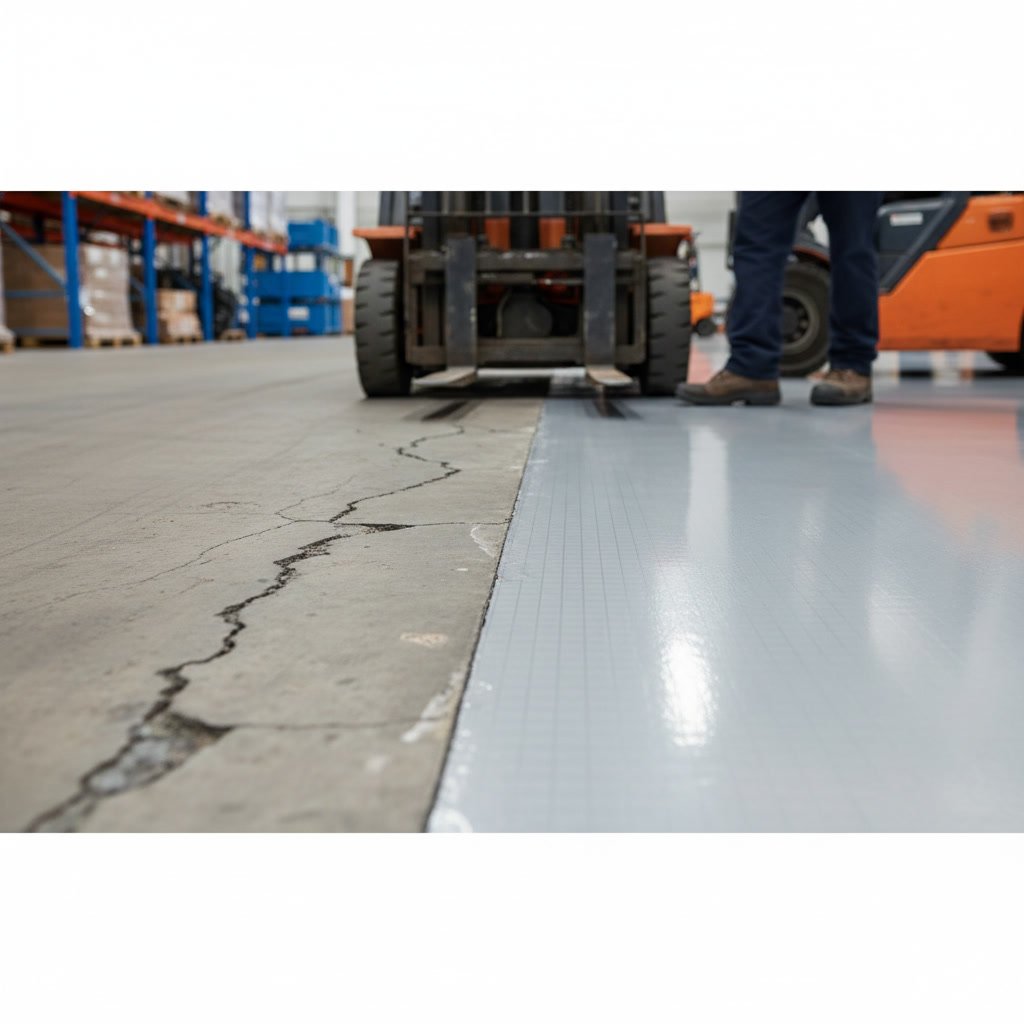
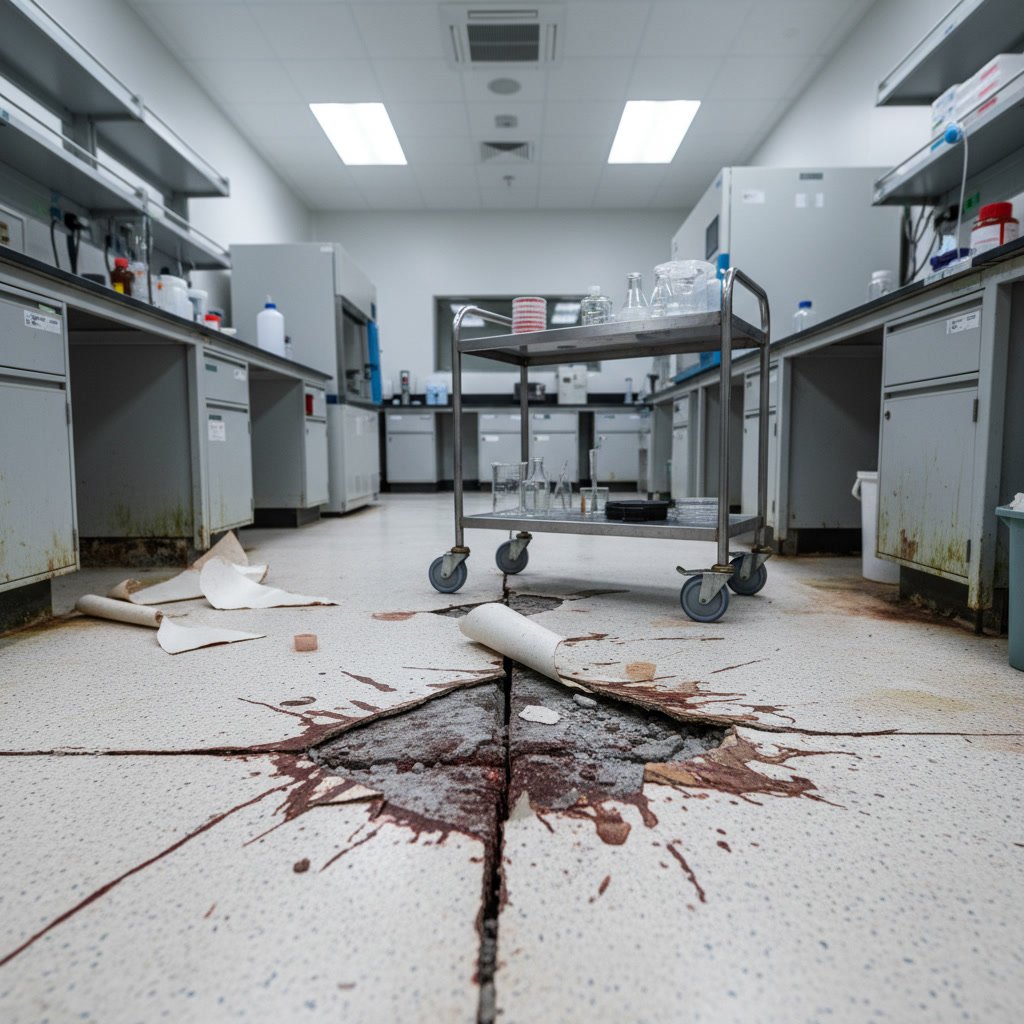
Concrete floors with expansion joints, tile installations with grout lines, and vinyl sheet flooring with seams all create vulnerable points where contaminants accumulate. Pharmaceutical operations involve frequent washdowns with harsh disinfectants, exposure to solvents and active pharmaceutical ingredients, and strict particulate control requirements that traditional surfaces cannot meet.
Tile grout absorbs liquids and harbors bacteria even after cleaning. Vinyl seams lift over time, creating traps for contamination. Bare concrete remains porous and sheds dust particles that compromise cleanroom classification. These fundamental weaknesses make conventional flooring incompatible with pharmaceutical manufacturing standards.
How Seamless Epoxy Creates Impermeable Contamination Barriers
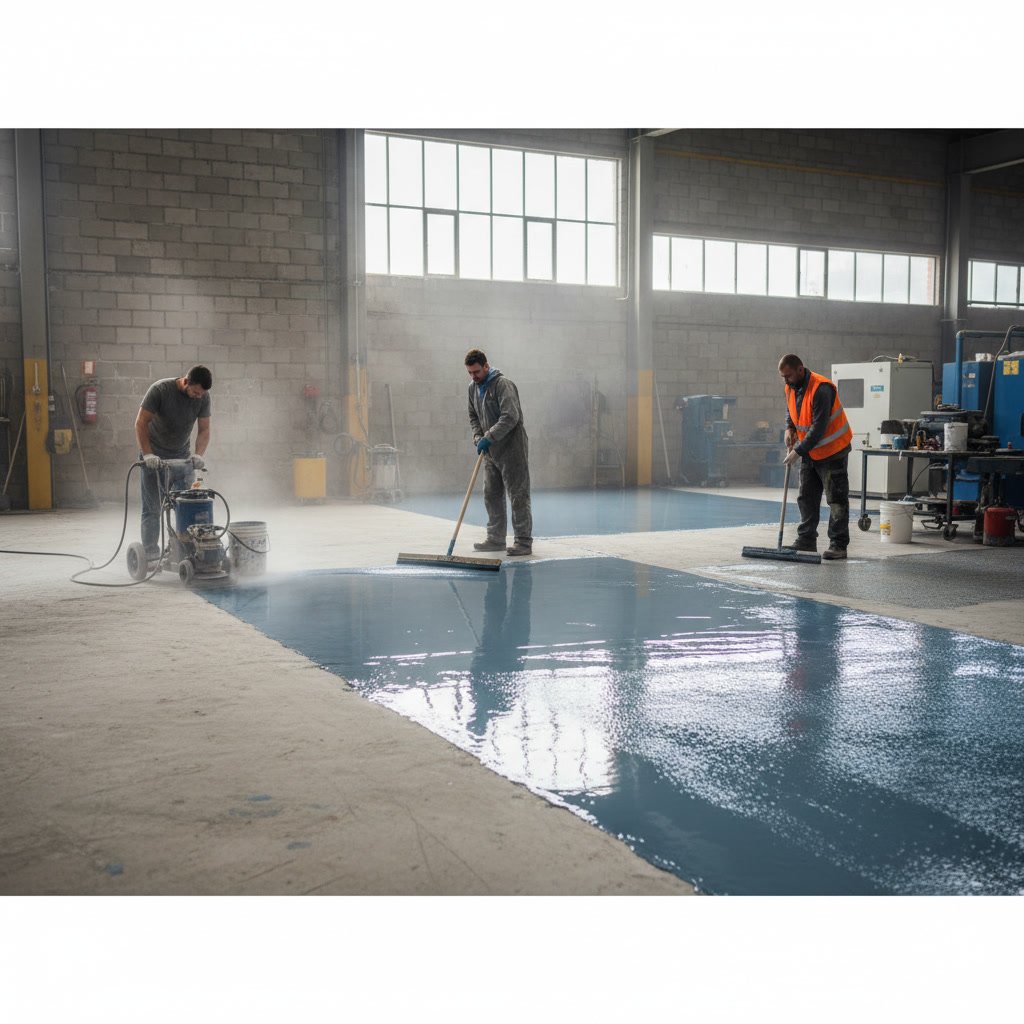
Professional epoxy coatings for pharmaceutical applications are applied as liquid systems that cure into monolithic surfaces without joints, seams, or grout lines. The chemical bond between epoxy layers and properly prepared concrete creates a barrier impervious to liquids, preventing spills from penetrating the substrate and creating hidden contamination sources.
These systems typically range from 125 to 375 mils in thickness, with thicker applications providing enhanced chemical resistance and impact protection. The seamless nature eliminates all hiding places for microorganisms, making surfaces easy to validate as clean during regulatory inspections. Unlike mechanical fastening or adhesive installation methods, chemically bonded epoxy becomes part of the floor structure rather than a separate layer that can delaminate.
Chemical Resistance Properties That Matter in Drug Manufacturing
Pharmaceutical epoxy systems must withstand repeated exposure to aggressive cleaning protocols involving quaternary ammonium compounds, bleach solutions, hydrogen peroxide, and alcohol-based disinfectants. Standard epoxy formulations degrade under this chemical assault, but pharmaceutical-grade systems use specialized resin chemistry that maintains integrity through thousands of cleaning cycles.
These floors also resist active pharmaceutical ingredients, solvents like acetone and methanol, acids used in synthesis processes, and alkaline cleaning agents. Proper system selection based on the specific chemicals present in each facility ensures long-term performance. Testing the flooring sample against your facility’s actual cleaning and process chemicals before full installation provides validation that the system will perform as required.
Preventing Microbial Growth Through Surface Design
Smooth, non-porous epoxy surfaces prevent bacterial adhesion and biofilm formation that plague textured or porous flooring. The surface chemistry of pharmaceutical epoxy systems typically achieves contact angles above 70 degrees, meaning liquids bead rather than spreading and penetrating microscopic surface irregularities.
Surface finish matters significantly. High-gloss epoxy finishes between 70 and 85 gloss units on a 60-degree meter provide the smoothest, most cleanable surfaces. Textured or matte finishes, while offering slip resistance, create microscopic valleys where contaminants can lodge. Pharmaceutical facilities typically specify smooth finishes in cleanrooms and production areas, reserving textured surfaces only for wet areas where slip resistance outweighs contamination concerns.
Cove Base Systems That Eliminate Wall-Floor Junctions
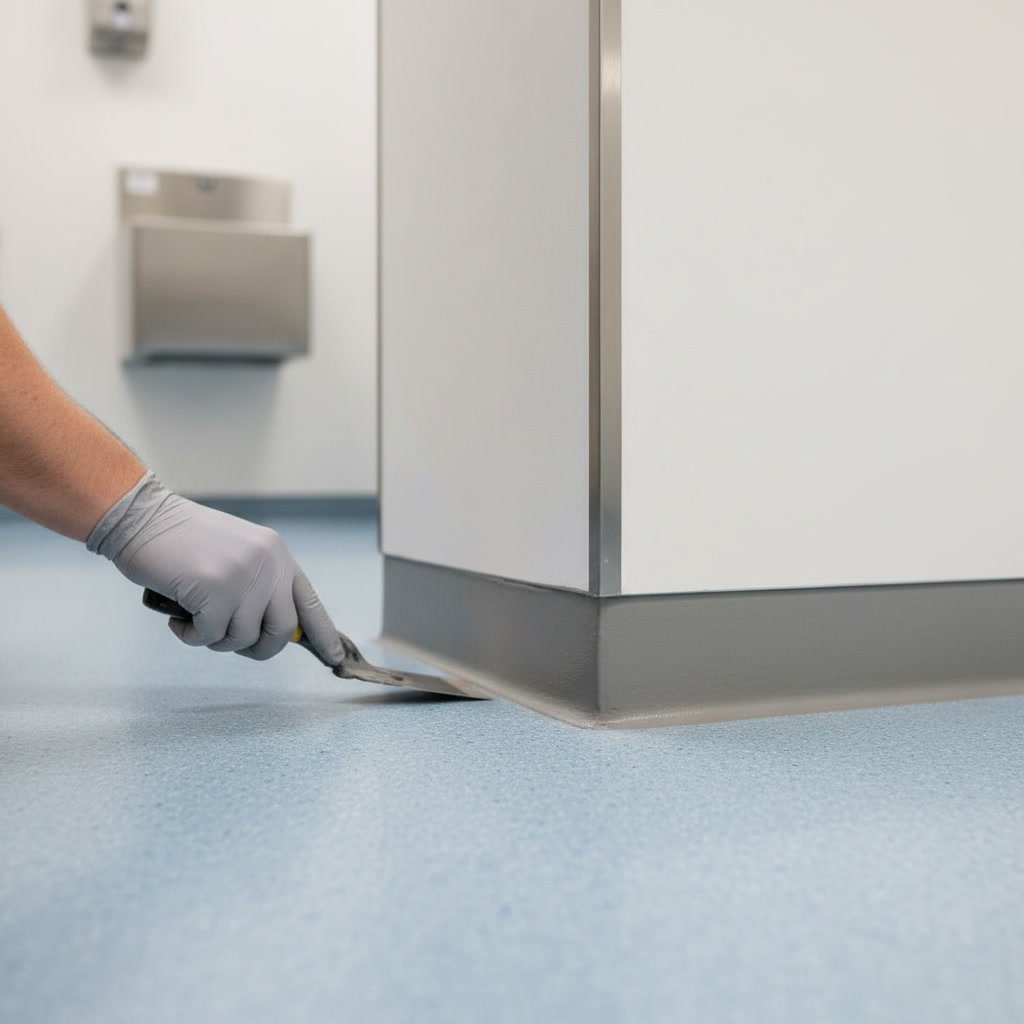
The intersection where walls meet floors creates a notorious contamination trap in pharmaceutical environments. Standard 90-degree corners cannot be effectively cleaned and validated. Professional cove base installation extends the floor coating up the wall in a smooth radius, typically four to six inches high, eliminating the corner junction entirely.
This continuous transition from floor to wall prevents liquid accumulation, simplifies cleaning validation, and meets FDA inspection requirements for pharmaceutical manufacturing spaces. The cove base uses the same epoxy system as the floor, maintaining chemical resistance and impermeability throughout the entire surface. Facilities pursuing ISO cleanroom classification or FDA approval for sterile manufacturing almost universally require integral cove base systems.
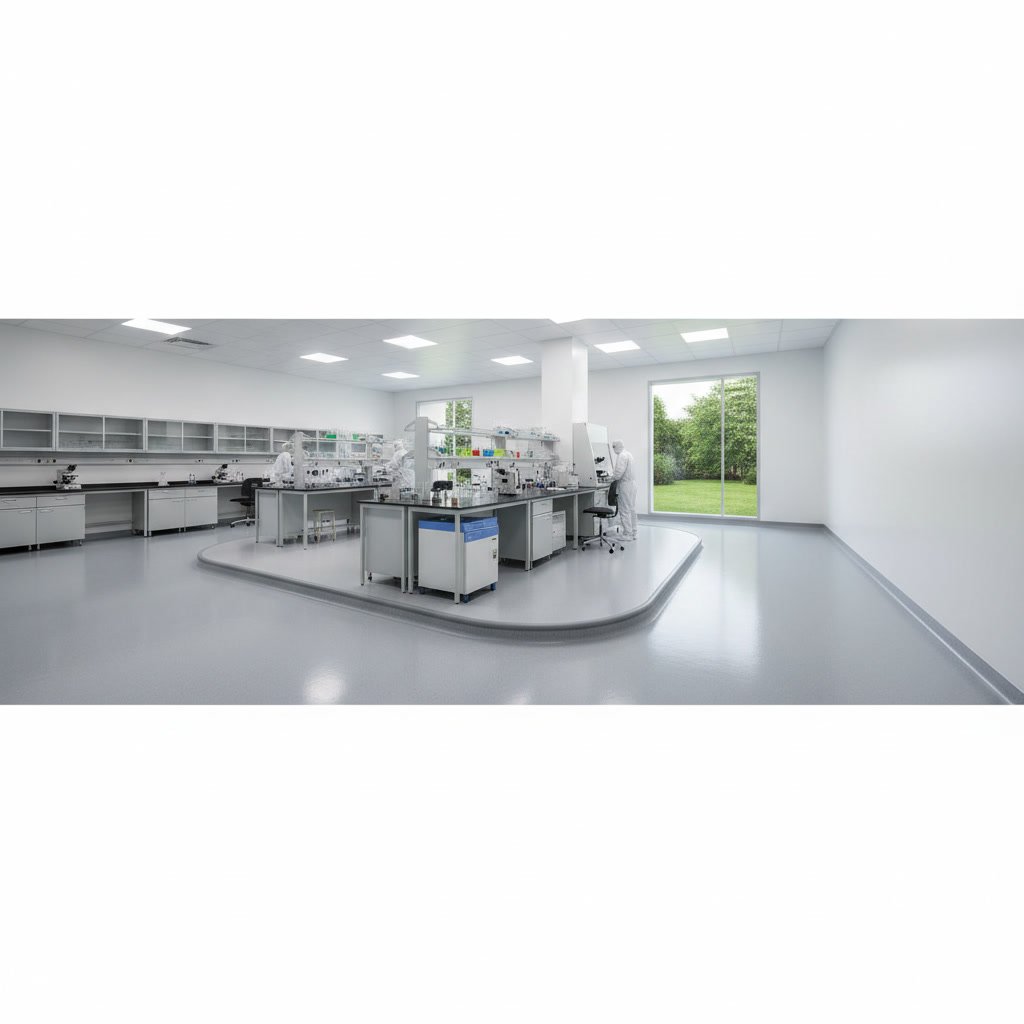
Cleanroom Classification and Particulate Control in Manhattan NY
Pharmaceutical facilities in Manhattan NY and surrounding areas often pursue ISO 14644 cleanroom classifications ranging from ISO Class 5 (100 particles per cubic foot) to ISO Class 8 (100,000 particles per cubic foot). The flooring system directly impacts particulate counts because any surface that sheds dust compromises classification.
Properly installed epoxy flooring generates zero particles when cured and contributes no volatile organic compounds that could contaminate products. The surface resists abrasion from carts, equipment, and foot traffic without wearing away and releasing particles into the controlled environment. This durability proves essential for maintaining cleanroom certification over years of operation without requiring disruptive floor replacement.
Five Critical Installation Steps for Pharmaceutical Epoxy Systems
Proper installation determines whether an epoxy floor will perform for 15 years or fail within months. Pharmaceutical applications demand higher standards than commercial or industrial floors because contamination risks are unacceptable.
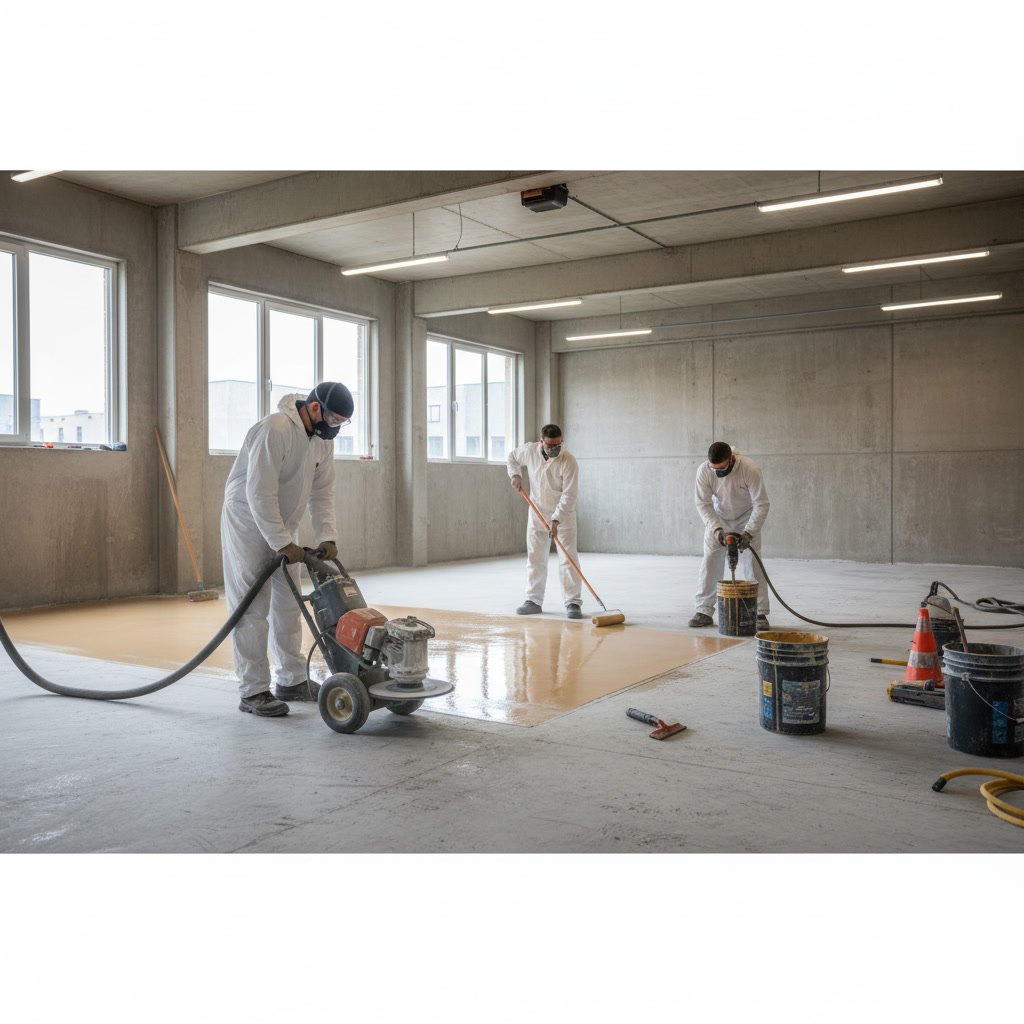
First, substrate preparation must achieve a concrete surface profile of CSP 2 to CSP 3 through diamond grinding or shot blasting, removing all laitance, curing compounds, and contaminants. Second, moisture testing using calcium chloride or relative humidity probes ensures the slab will not cause delamination through vapor pressure. Third, primer application at manufacturer-specified rates ensures proper adhesion between concrete and epoxy. Fourth, base coat application at controlled thickness prevents pinholes and ensures complete coverage. Fifth, topcoat systems provide the final chemical-resistant, cleanable surface with appropriate gloss and texture characteristics.
Temperature and humidity during installation critically affect cure chemistry. Pharmaceutical epoxy systems must cure between 60 and 85 degrees Fahrenheit with relative humidity below 85 percent. Deviations from these parameters can prevent proper cross-linking, leaving floors vulnerable to chemical attack and premature failure.
Comparing Epoxy, Polyurethane, and Polyurea for Pharmaceutical Use
While epoxy dominates pharmaceutical flooring, polyurethane and polyurea systems offer specific advantages in certain applications. Epoxy provides superior chemical resistance, hardness, and abrasion resistance, making it ideal for production areas, laboratories, and cleanrooms. Its relatively long cure time allows self-leveling and formation of ultra-smooth surfaces.
Polyurethane topcoats over epoxy base coats combine epoxy’s chemical resistance with polyurethane’s flexibility and UV stability. This hybrid approach works well in areas with thermal cycling or slight substrate movement. Polyurea coating systems cure rapidly, sometimes in hours rather than days, reducing facility downtime during installation. However, their faster cure limits self-leveling properties, sometimes resulting in slightly less smooth finishes than epoxy.
For pharmaceutical applications, epoxy remains the gold standard for production and cleanroom spaces, while polyurethane or polyurea may suit support areas, corridors, or spaces requiring faster return to service. Similar considerations apply across various types of industrial floor coatings for warehouses and manufacturing facilities.
Regulatory Compliance and Validation Requirements
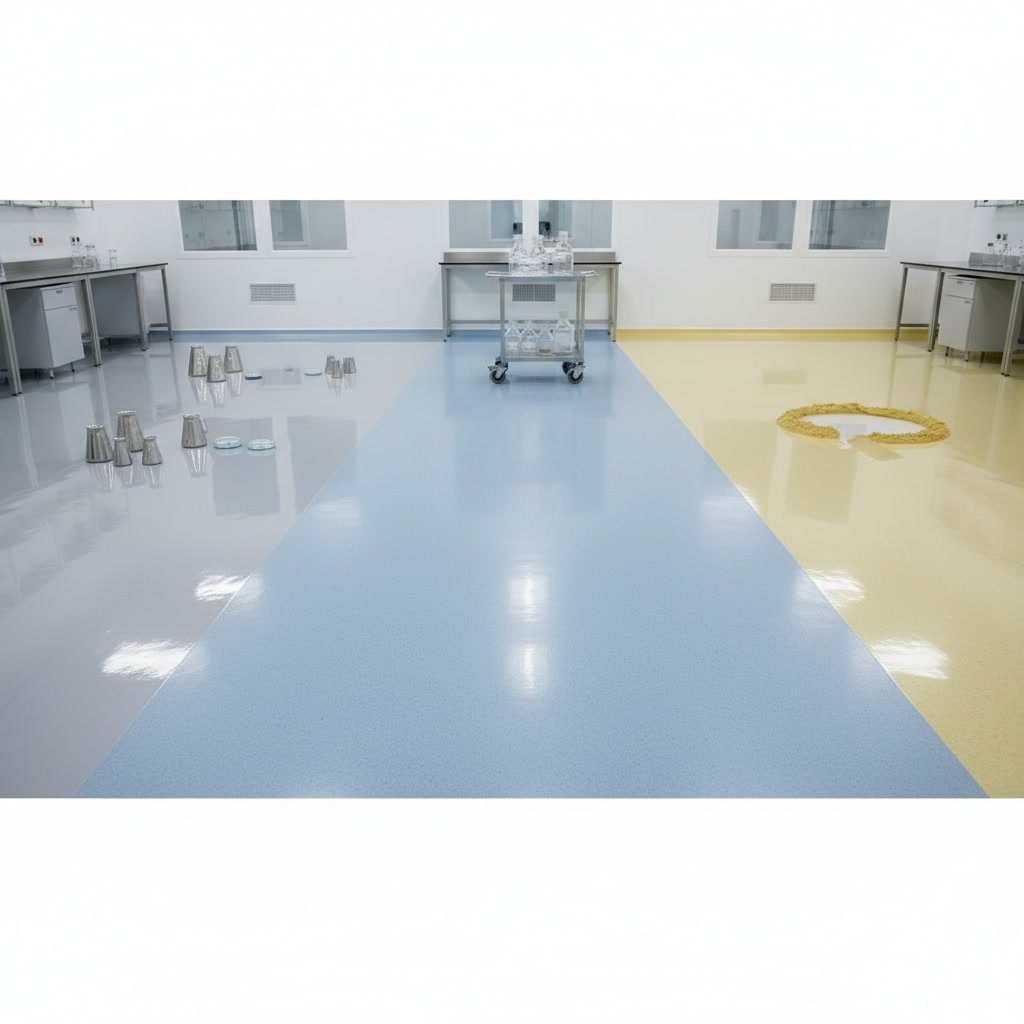
FDA inspections scrutinize flooring systems during facility audits, looking for cracks, chips, unsealed joints, or any defects that could harbor contamination. The flooring must be included in the facility’s cleaning validation protocols, demonstrating that surfaces can be effectively cleaned to predetermined limits.
Documentation requirements include material safety data sheets for all flooring components, certificates of analysis confirming chemical composition, and installation records showing proper surface preparation and application procedures. Many pharmaceutical companies require flooring contractors to follow current good manufacturing practices during installation, treating the flooring project as if it were part of drug manufacturing itself.
System qualification typically follows Installation Qualification, Operational Qualification, and Performance Qualification protocols. Installation Qualification verifies the floor was installed per specifications. Operational Qualification confirms the floor performs as intended under normal conditions. Performance Qualification demonstrates sustained performance over time through regular monitoring and testing.
Maintenance Protocols That Preserve Contamination Control
Even the best pharmaceutical epoxy system fails if maintenance practices damage the surface or allow contamination to accumulate. Daily cleaning typically involves microfiber mops with approved disinfectants, avoiding abrasive scrubbers that scratch the surface and create hiding places for microorganisms.
Periodic deep cleaning with automatic scrubbers maintains appearance and cleanliness without damaging the epoxy. Inspections should identify small chips or cracks immediately, allowing prompt repair before contamination can penetrate. Most pharmaceutical facilities maintain detailed cleaning logs as part of their quality management systems, documenting when floors were cleaned, which agents were used, and who performed the work.
Traffic patterns should be monitored for wear, particularly in high-traffic areas near equipment or doorways. While quality epoxy systems last 15 to 20 years in pharmaceutical environments, heavily worn sections may require spot repair or recoating sooner to maintain the seamless, impermeable barrier essential for contamination control.
Protecting Product Purity Through Superior Flooring
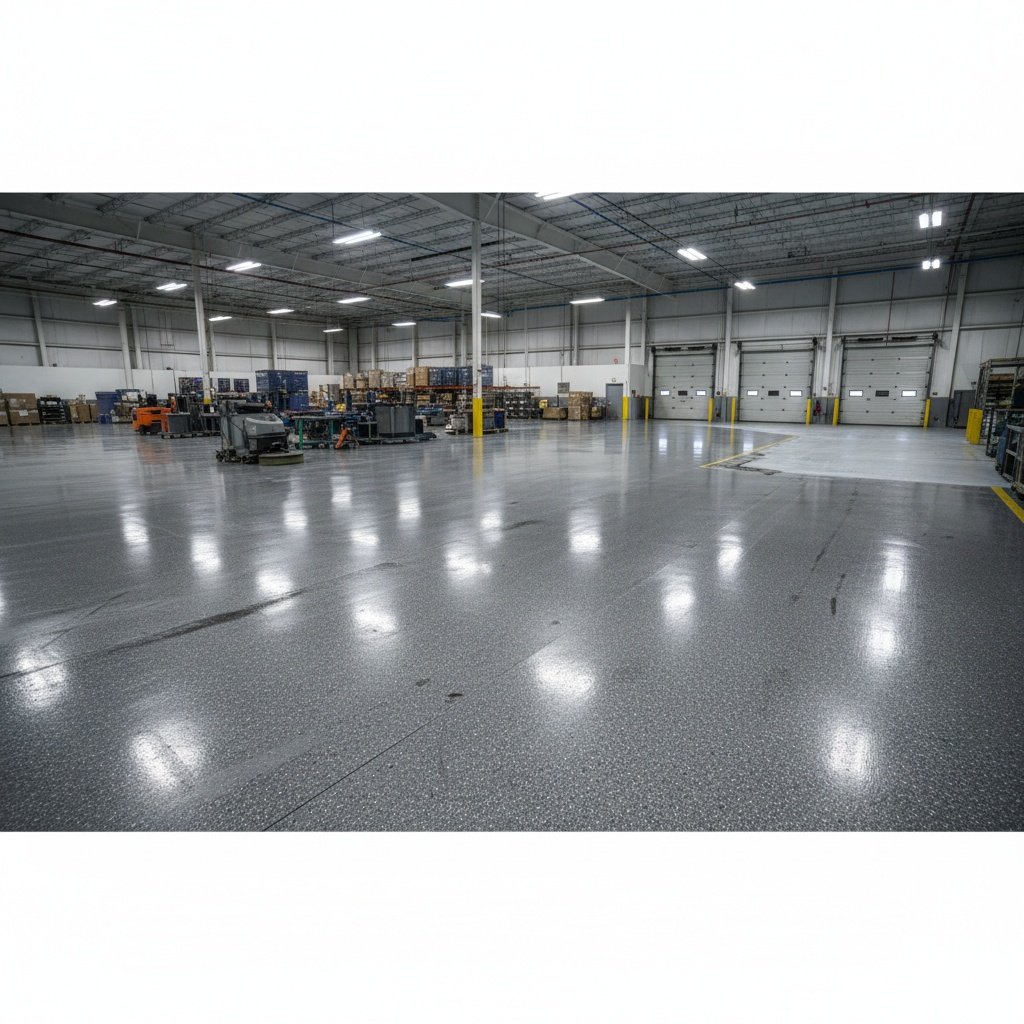
Pharmaceutical manufacturing demands absolute control over every potential contamination source, and flooring represents one of the largest surface areas in any facility. Seamless epoxy systems eliminate the joints, seams, and porous surfaces where contaminants hide, while resisting the aggressive chemicals used in pharmaceutical cleaning protocols. The combination of impermeability, chemical resistance, smooth finish, and integral cove base creates floors that support rather than compromise contamination control efforts.
Proper system selection, professional installation following pharmaceutical industry standards, and rigorous maintenance protocols ensure these floors protect product purity for decades. The investment in specialized pharmaceutical flooring pays dividends through maintained regulatory compliance, reduced contamination events, and lower long-term maintenance costs compared to replacing inadequate flooring systems.
Alliance Epoxy Flooring Corp has extensive experience installing contamination-resistant flooring systems for pharmaceutical laboratories, cleanrooms, and manufacturing facilities throughout the region. Our team understands the unique requirements of regulated environments and works within your facility’s quality systems to deliver floors that meet both performance and compliance standards. Contact us at +18005189080 to discuss how specialized epoxy systems can strengthen contamination control in your pharmaceutical facility.