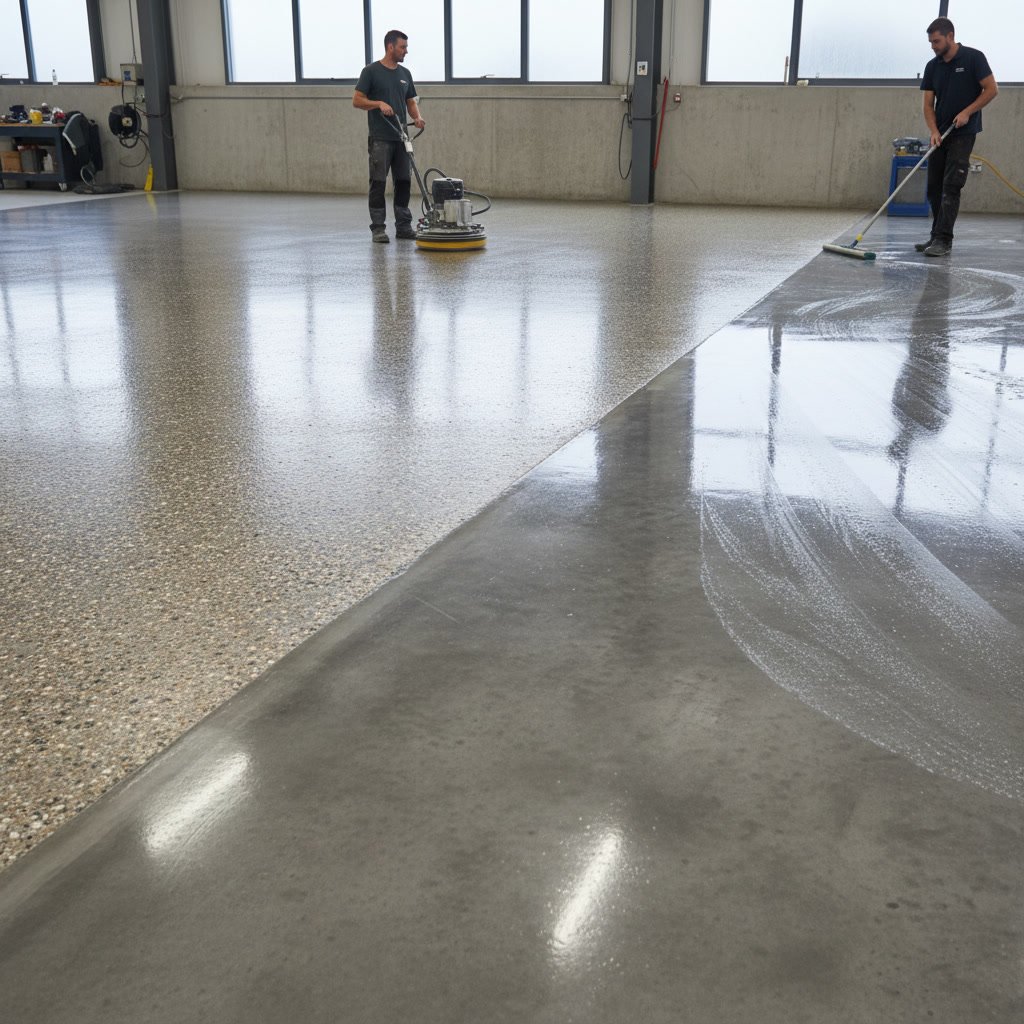
Grind and seal concrete typically requires less frequent maintenance than polished concrete, especially in high-traffic or chemical-exposure environments. The sealed surface creates a protective barrier that resists stains and moisture, while polished concrete relies on densification and mechanical refinement that can wear down over time. Both finishes offer durability and aesthetic appeal, but your specific application and traffic patterns will determine which system stays cleaner and easier to maintain over the long term.
What Separates These Two Concrete Floor Finishes
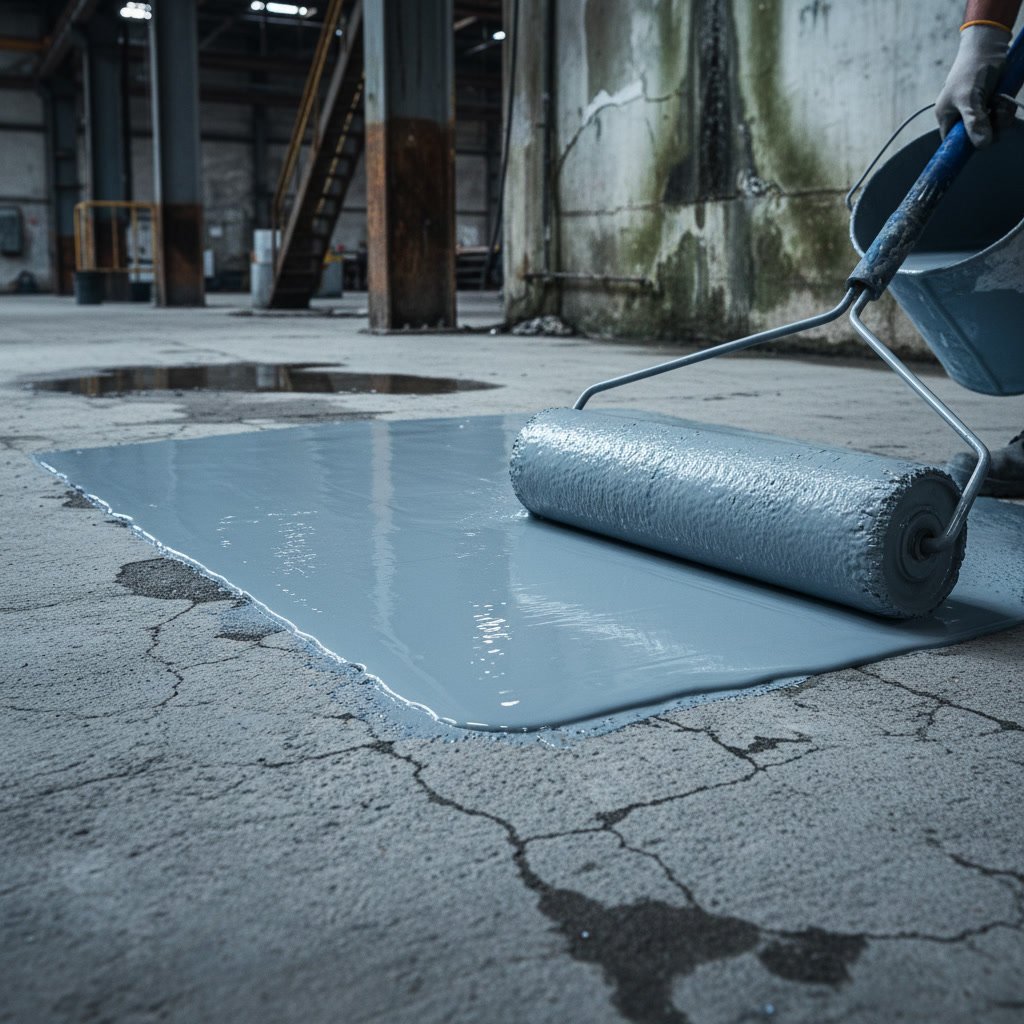
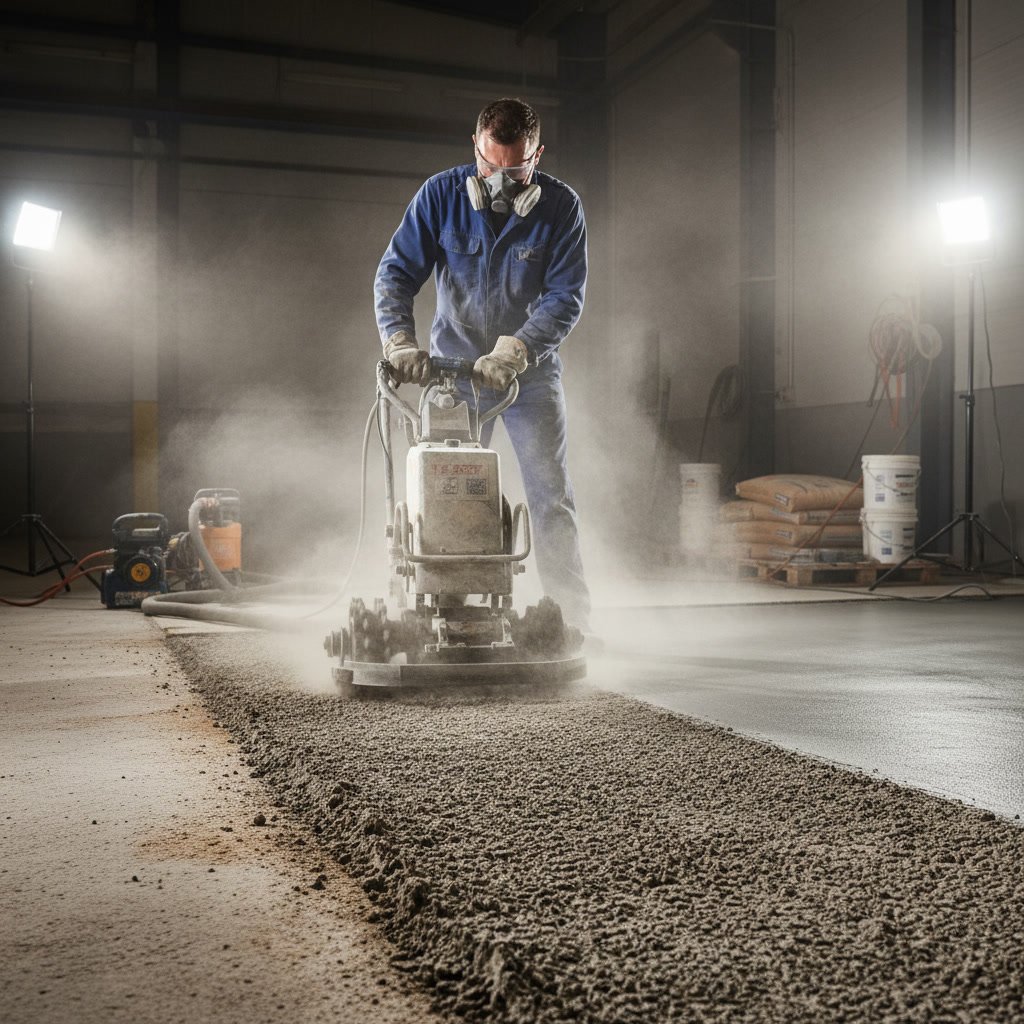
Both systems start with concrete grinding to remove surface imperfections and create a level profile. The grind and seal process stops after grinding and applies a topical sealer or coating to protect the concrete. Polished concrete continues through multiple grinding stages using progressively finer diamond tooling, then adds a densifier to harden the surface before final polishing to a high gloss.
The fundamental difference lies in surface protection. Grind and seal uses a film-forming sealer that sits on top of the concrete. Polished concrete chemically hardens the surface itself and achieves shine through mechanical abrasion rather than a coating layer.
How Maintenance Needs Differ Between the Two Systems
Maintenance frequency and complexity separate these two approaches in meaningful ways. Grind and seal floors generally need resealing every two to five years depending on traffic levels and the type of sealer used. Daily cleaning involves simple dust mopping and occasional damp mopping with neutral pH cleaners.
Polished concrete demands less frequent deep maintenance but requires more careful daily upkeep. The exposed surface can absorb spills if not cleaned quickly, particularly acidic or oily substances. You will need to reapply densifier and re-polish high-traffic areas every five to ten years as the surface wears down from foot traffic and equipment movement.
Daily Cleaning Requirements for Grind and Seal Surfaces
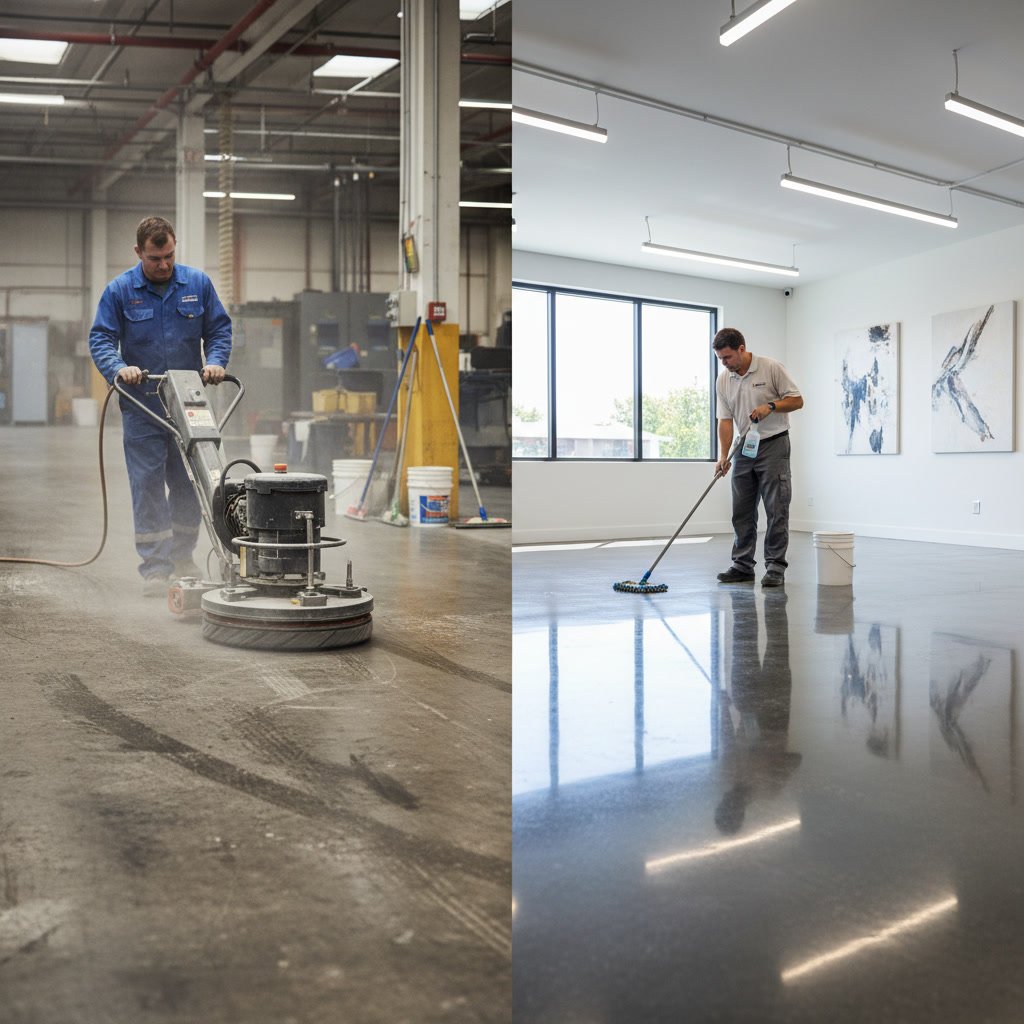
The sealed layer on grind and seal floors creates a barrier that simplifies daily cleaning. Dust, dirt, and most liquids stay on the surface rather than penetrating the concrete. A microfiber dust mop removes loose debris, and a damp mop with a pH-neutral cleaner handles sticky residue or tracked-in grime.
You can address spills immediately without worrying about staining the concrete itself. The sealer protects against most common industrial and commercial contaminants, including oils, coolants, and mild chemicals. This makes grind and seal particularly well-suited for automotive shops, warehouses, and food processing areas where spills occur frequently.
What Daily Care Looks Like for Polished Concrete in Manhattan NY
Polished concrete maintenance starts with understanding that the surface, while hardened, remains porous at a microscopic level. Daily dust mopping prevents abrasive particles from scratching the finish as foot traffic grinds them across the floor. Spills require immediate attention because liquids can etch or stain the surface if left to sit.
You should use an autoscrubber with a soft pad and neutral cleaner for regular wet cleaning. Avoid acidic or highly alkaline cleaners that can dull the finish or compromise the densifier treatment. High-traffic commercial spaces in Manhattan NY often schedule autoscrubbing two to three times per week to maintain appearance and prevent buildup.
Long-Term Durability and Reapplication Schedules
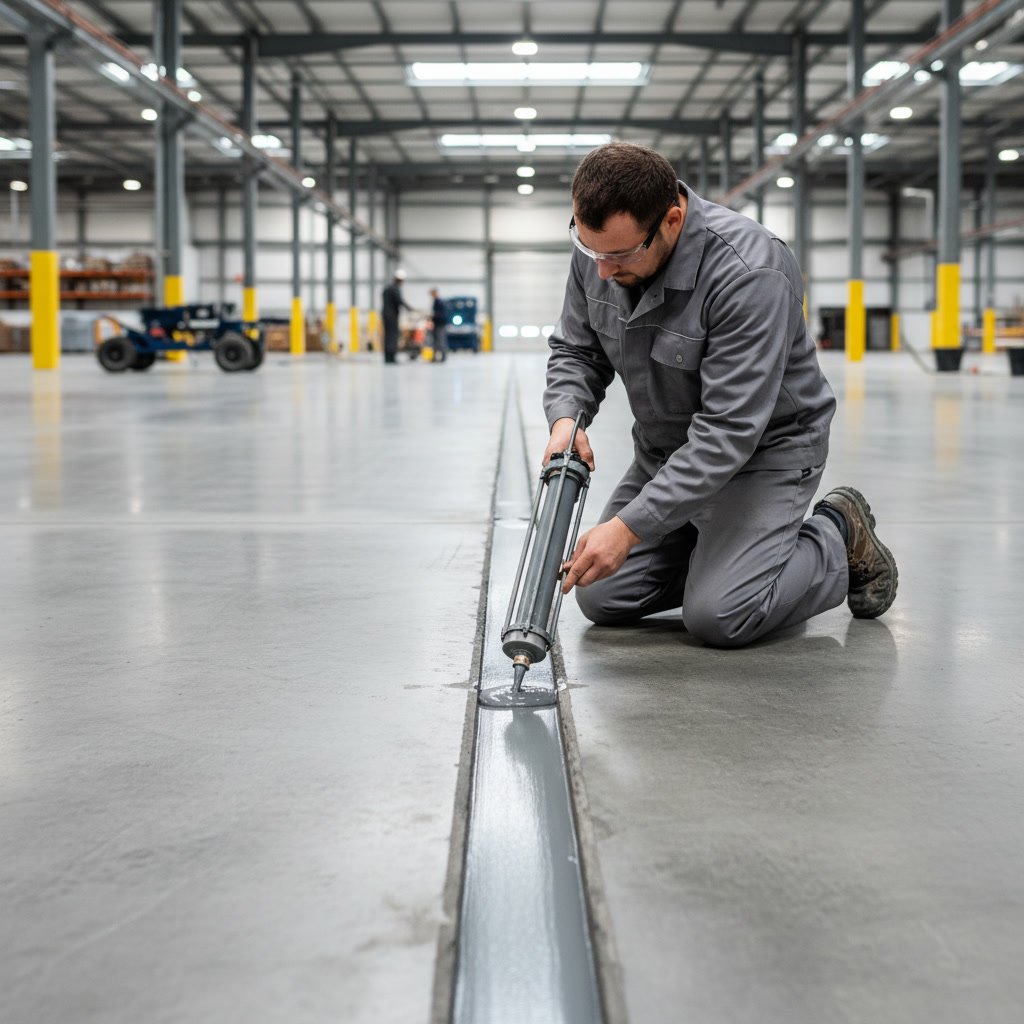
Grind and seal systems require periodic resealing as the topical layer wears away. Epoxy or urethane sealers in moderate-traffic retail environments typically last three to five years before showing wear patterns in walkways and high-use zones. Industrial facilities with forklift traffic may need touch-ups or full recoating every 18 to 24 months.
Polished concrete offers superior longevity in the right conditions. A properly executed concrete floor polishing project can last 10 to 20 years before requiring significant restoration. However, this assumes minimal chemical exposure and regular burnishing to maintain the gloss level. Facilities with heavy equipment traffic or frequent spills may see faster degradation.
Chemical Resistance and Stain Protection Compared
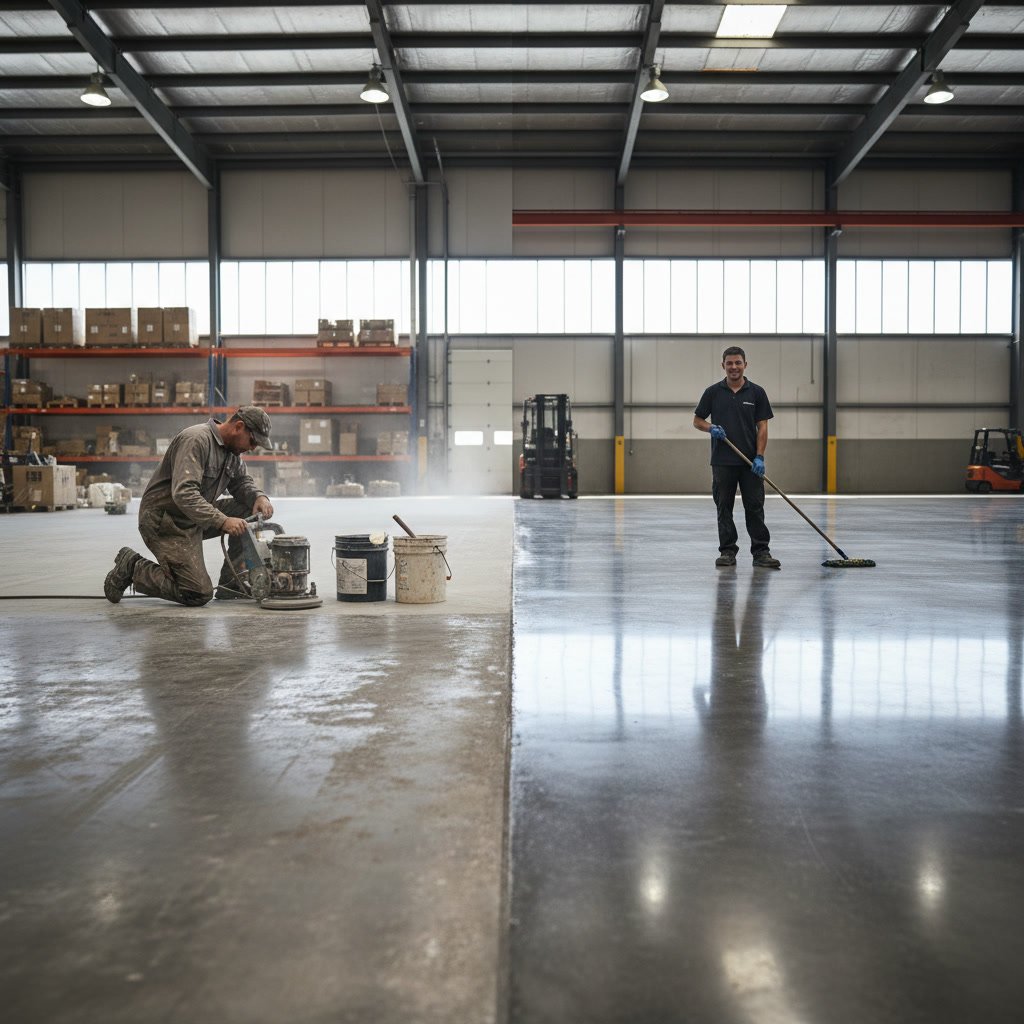
The sealed surface of grind and seal floors provides excellent chemical resistance when the right sealer is specified. Epoxy coatings and urethane sealers create a nearly impervious barrier against oils, solvents, and mild acids. This makes cleanup straightforward and prevents permanent staining in automotive, manufacturing, and food service applications.
Polished concrete offers moderate chemical resistance through densification, which closes surface pores and hardens the cement matrix. However, strong acids, petroleum products, and some cleaners can still etch or discolor the surface over time. Facilities handling these materials often apply a topical guard product to bridge the gap, though this adds another maintenance layer similar to grind and seal systems.
Cost Analysis: Initial Investment vs Lifetime Maintenance
Grind and seal typically costs 30 to 50 percent less than polished concrete during initial installation. The process requires fewer grinding steps and less specialized equipment. Alliance Epoxy Flooring Corp completes most grind and seal projects faster, reducing labor costs and facility downtime.
Long-term costs shift the equation. Polished concrete eliminates recurring sealer purchases and recoating labor for years or even decades in low-traffic environments. Grind and seal floors accumulate resealing costs every few years, though each recoating cycle is relatively inexpensive compared to a full polish restoration.
For a 10,000 square foot warehouse floor, you might spend $8,000 on grind and seal versus $14,000 for polished concrete initially. Over 15 years, grind and seal could require three resealings at $3,000 each, bringing total cost to $17,000. Polished concrete might need one restoration at $6,000, totaling $20,000. The difference narrows significantly when you account for the superior chemical resistance and easier daily cleaning that grind and seal provides in certain applications.
Traffic Patterns and Wear Characteristics
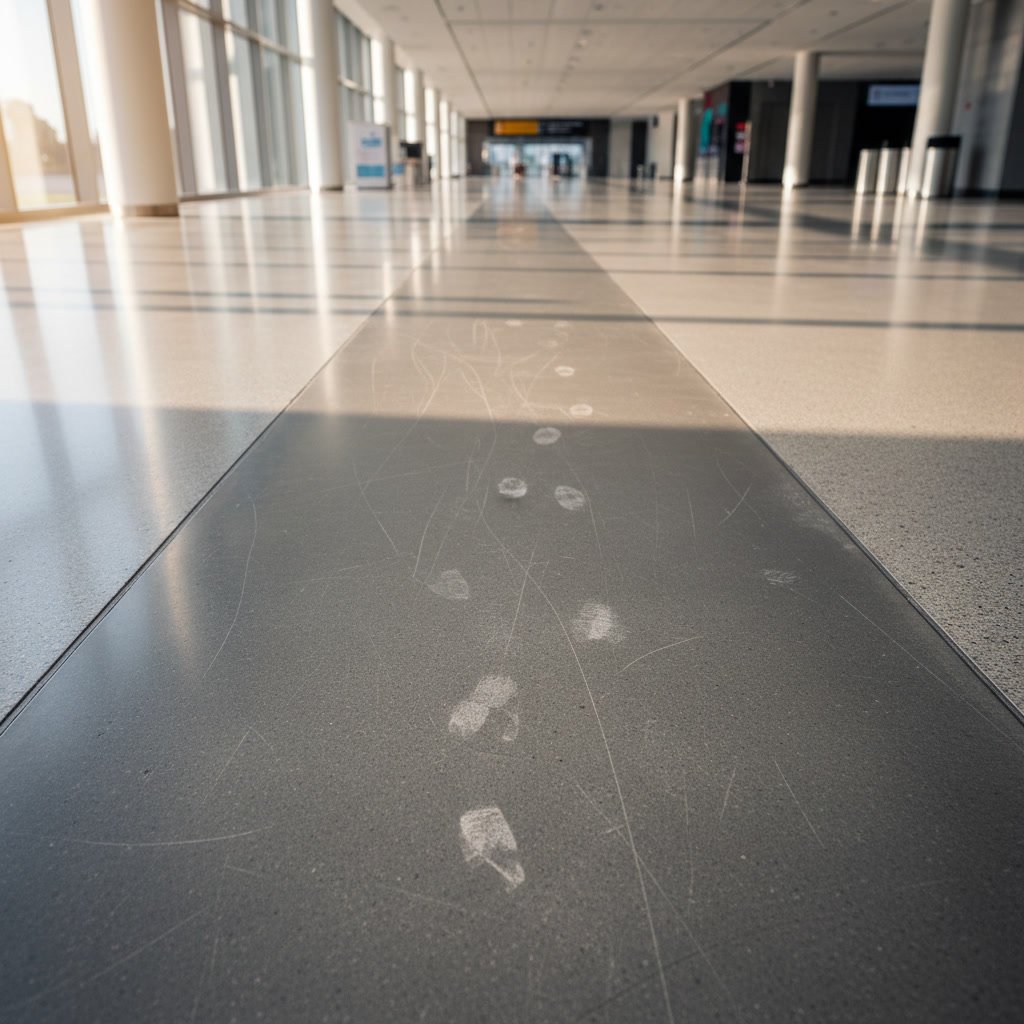
High foot traffic affects these systems differently. Grind and seal shows wear as the sealer layer thins in pathways and doorways, creating visible traffic patterns and requiring touch-up or full recoating. The concrete beneath remains protected until the sealer fails completely.
Polished concrete wears more gradually and evenly. The mechanical abrasion from foot traffic slowly reduces the gloss level across the entire floor rather than creating distinct wear paths. Regular burnishing with a high-speed buffer and burnishing compound can restore shine without full re-polishing in many cases. This makes polished concrete ideal for retail showrooms and building lobbies where appearance matters most.
Moisture Tolerance and Performance in Wet Environments
Sealed concrete provides superior moisture protection. The film-forming sealer prevents water penetration and protects the concrete from moisture-related damage like efflorescence or freeze-thaw deterioration. This makes grind and seal the preferred choice for basements, parking structures, and any space with potential water exposure.
Polished concrete handles surface moisture well but offers less protection against sustained wetness or vapor transmission through the slab. Applying a penetrating guard product helps, but facilities with regular wet cleaning or high humidity often see better performance from grind and seal systems. The topical sealer prevents water from reaching the concrete entirely, eliminating most moisture-related maintenance issues.
Choosing the Right System for Your Facility
Your decision should align with specific operational needs rather than abstract preferences. Grind and seal makes sense when you need maximum chemical resistance, moisture protection, or the lowest initial investment. It performs exceptionally well in automotive facilities, food processing plants, manufacturing spaces, and anywhere spills and splashes occur regularly.
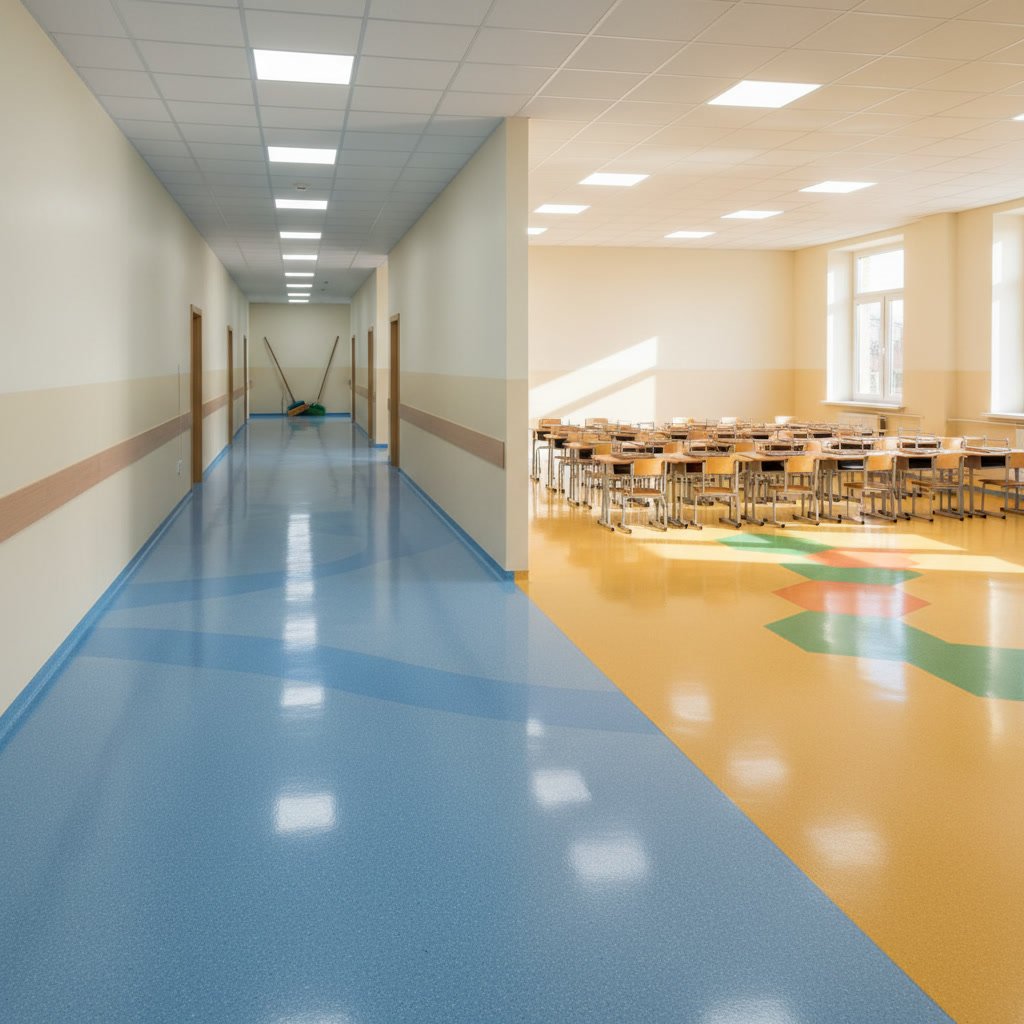
Polished concrete excels in dry environments with moderate foot traffic where long-term durability and low lifetime maintenance justify the higher upfront cost. Retail stores, office lobbies, educational facilities, and climate-controlled warehouses often benefit from the longevity and minimal upkeep that polished concrete delivers. Alliance Epoxy Flooring Corp evaluates substrate condition, traffic patterns, and operational requirements to recommend the system that truly fits your situation rather than upselling the more expensive option.
One expert insight that saves facility managers significant frustration: if your concrete slab is less than five years old or has any history of moisture issues, grind and seal with a moisture-blocking sealer will outperform polished concrete every time. Young concrete continues to cure and release moisture for years, which can cause polished surfaces to develop haze or delamination. The sealer barrier prevents this completely.
Making Maintenance Work With Your Operations
Both systems deliver professional results when properly maintained, but grind and seal concrete offers simpler upkeep protocols that integrate more easily into existing janitorial routines. The protected surface tolerates common cleaning mistakes like using the wrong pH cleaner or letting spills sit too long. Your staff can clean effectively without specialized training or expensive equipment.
Polished concrete rewards attention to detail with exceptional longevity and a refined appearance that improves over time with proper burnishing. If you have the resources to implement careful maintenance protocols and your environment suits the system’s strengths, polished concrete can reduce total cost of ownership over decades of service.
Evaluating your specific traffic patterns, chemical exposures, budget constraints, and maintenance capabilities will point you toward the system that actually performs better in your facility rather than the one that sounds more impressive in marketing materials. If you need help assessing which concrete finishing system will deliver easier maintenance and better long-term value for your commercial or industrial space, +18005189080 connects you directly with the flooring specialists at Alliance Epoxy Flooring Corp who serve the tri-state area with honest recommendations based on real-world performance data.