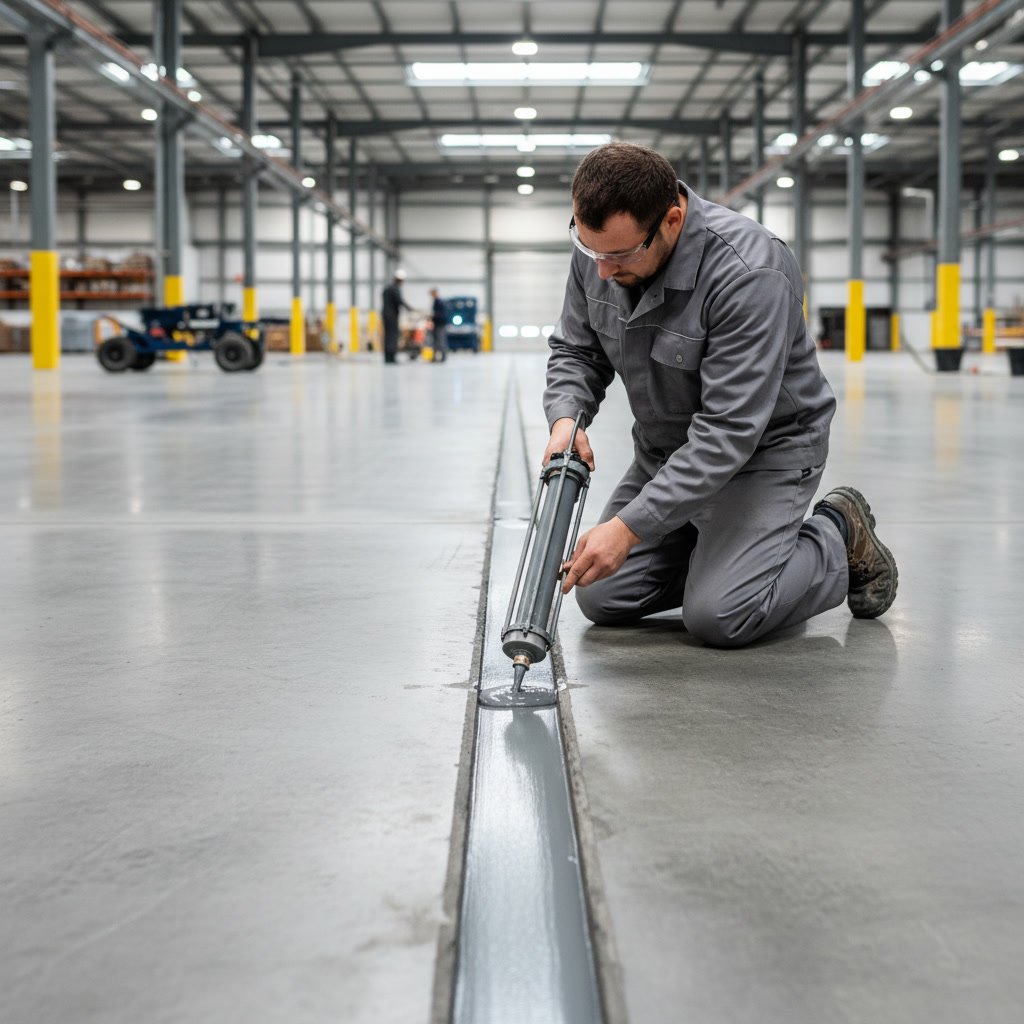
Professional expansion joint filling involves inspecting, cleaning, and filling concrete joints with specialized materials that accommodate floor movement while preventing water intrusion and edge damage. The process typically takes one to three days depending on facility size and includes joint preparation, primer application, filler installation, and surface finishing. Proper joint filling extends floor life by 10 to 15 years and prevents costly structural repairs caused by moisture infiltration and slab edge deterioration.
Expansion joints exist in every commercial concrete floor to manage the natural expansion and contraction that occurs with temperature changes and settling. Without proper maintenance, these joints become entry points for water, chemicals, and debris that compromise the entire floor system.
Why Commercial Concrete Floors Develop Expansion Joints
Concrete expands and contracts with temperature fluctuations, typically moving about 0.6 inches per 100 feet for every 100-degree temperature change. Large commercial slabs can experience significant dimensional changes throughout the year, and expansion joints provide controlled spaces for this movement to occur without cracking the surrounding concrete.
Most commercial floors have joints spaced every 15 to 20 feet in both directions, creating a grid pattern across the surface. These joints are intentionally weakened sections that guide cracks to predictable locations rather than allowing random fractures throughout the floor. Industrial facilities, warehouses, and retail spaces all rely on this joint system to maintain structural integrity.
The Hidden Damage Empty Joints Cause Over Time
Unfilled or poorly maintained joints allow water to penetrate beneath the concrete slab, eroding the sub-base and creating voids that lead to settlement and cracking. In freeze-thaw climates, trapped moisture expands during cold weather and can lift entire sections of flooring. Chemical exposure in industrial settings accelerates this deterioration, particularly in food processing plants and manufacturing facilities.
Joint edges experience concentrated stress from forklift traffic and heavy equipment, and without protection, these edges spall and chip. Once edge damage begins, it progresses rapidly as more surface area becomes exposed to impact and abrasion. Repair costs escalate significantly when damage extends beyond the joint itself into the surrounding slab.
Initial Joint Inspection and Condition Assessment
Professional contractors begin by mapping all joints and documenting their current condition. This assessment identifies joints that have previous filler materials, those with edge damage, and areas where moisture problems exist. Many older facilities have joints filled with outdated materials that have failed and must be completely removed before new filler can be installed.
Width measurements determine appropriate filler materials, as most expansion joints range from one-quarter inch to two inches wide. Depth measurements establish how much material the job requires. Inspectors also check for signs of slab movement, settlement, or structural issues that may need addressing before joint filling proceeds.
Complete Joint Cleaning and Preparation Methods
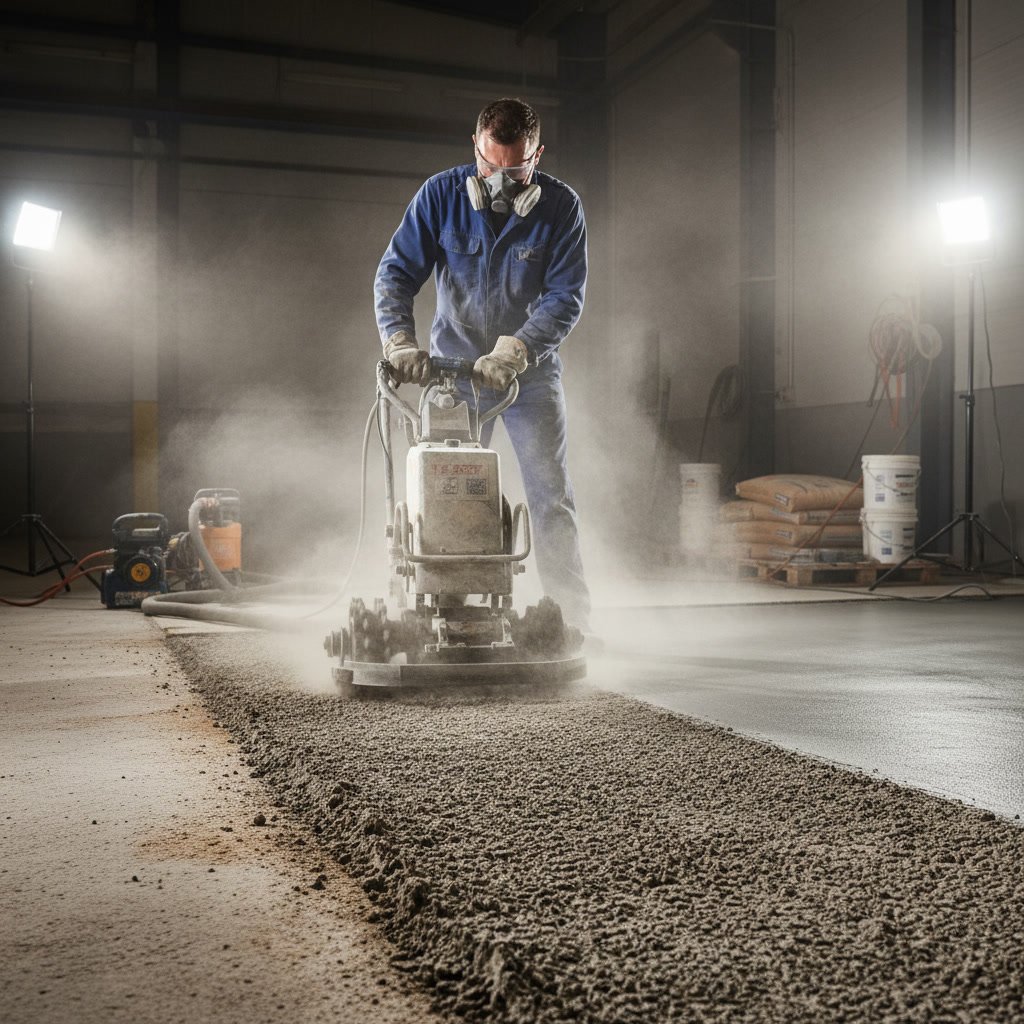
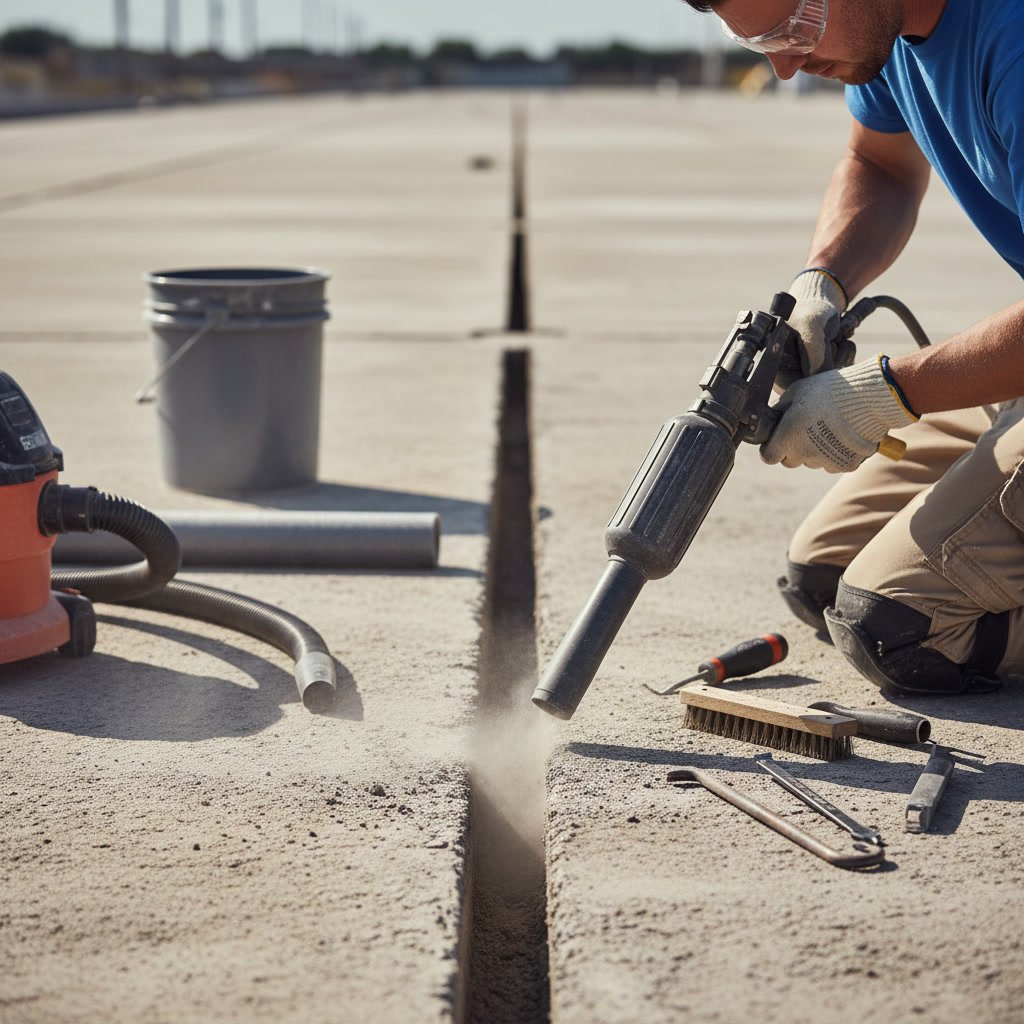
Removal of old filler material, dirt, concrete dust, and debris is critical for proper adhesion. Contractors use specialized tools including diamond blade saws, grinders, and vacuum systems to achieve clean joint surfaces. The concrete grinding process exposes sound concrete on both joint faces and removes any loose or damaged material.
Many facilities require joints to be opened to specific depths before filling, particularly when installing semi-rigid polyurea systems that need adequate material thickness to perform correctly. This often involves sawing joints deeper than their original depth. All dust and debris must be removed using industrial vacuums before any primer or filler touches the joint surfaces.
Selecting the Right Joint Filler Material
Semi-rigid polyurea fillers dominate commercial applications because they accommodate movement while resisting abrasion from heavy traffic. These materials cure quickly, typically within one to two hours, minimizing downtime. They bond directly to concrete and flex with joint movement without tearing or separating from the joint walls.
Epoxy fillers work well in joints with minimal movement and provide excellent chemical resistance. Silicone-based fillers suit areas with extreme temperature variations or significant movement requirements. The choice depends on traffic type, chemical exposure, temperature range, and movement expectations. A facility in Manhattan NY with high forklift traffic and chemical exposure requires different materials than a retail space with light foot traffic.
Some applications benefit from specialized materials like polyurea coating systems that integrate with broader floor protection strategies. Industrial environments often combine joint filling with complete floor coating systems for comprehensive protection.
Step by Step Joint Filling Application Process
After joints are clean and dry, contractors install backer rod at the proper depth, typically one-quarter inch below the finished floor surface. This foam material provides backing for the filler and controls how much material the joint consumes. Proper backer rod depth creates the correct shape factor, the ratio of joint width to filler depth that determines performance.
Primer application follows backer rod installation. The primer penetrates porous concrete and creates a chemical bridge between the substrate and filler material. Most primers require 15 to 30 minutes of dry time before filler application begins. Skipping this step or using incompatible primers leads to bond failure and premature joint filler loss.
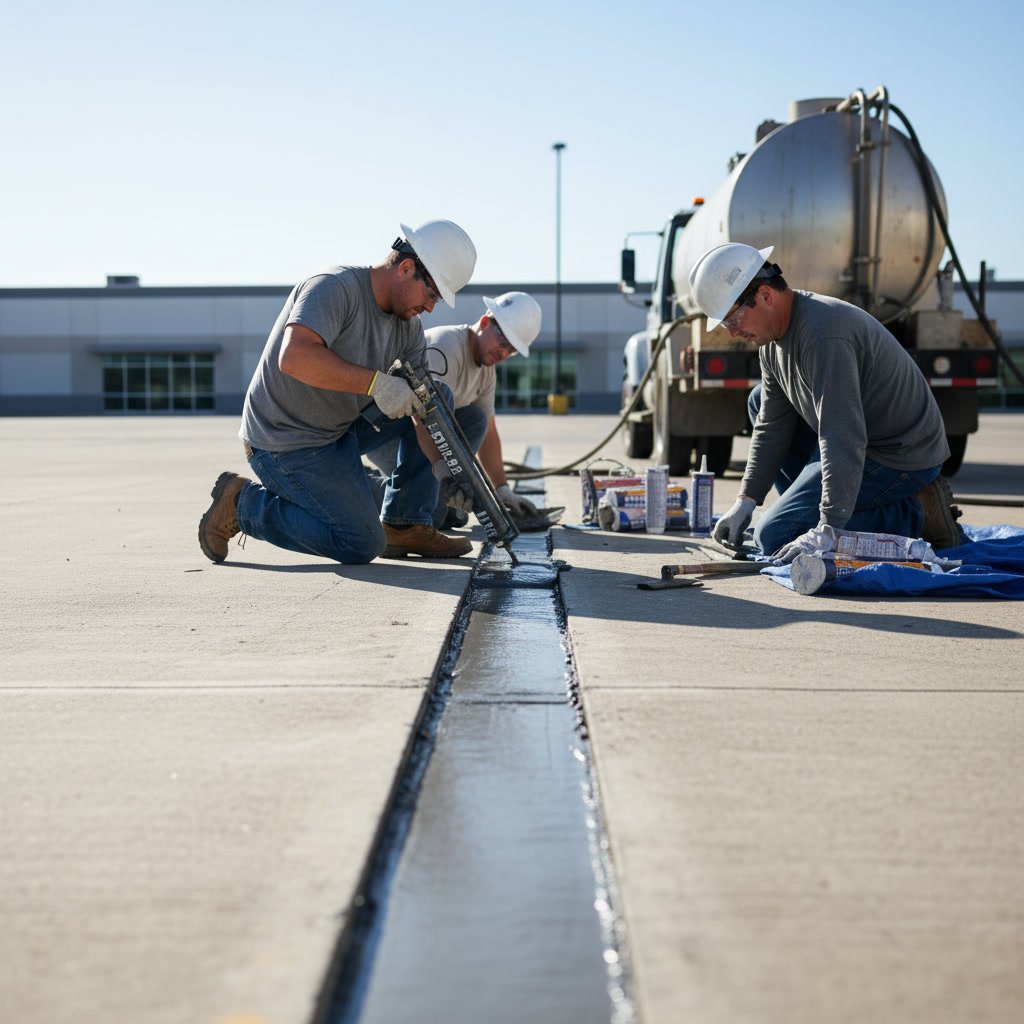
Contractors dispense filler material using bulk guns or cartridge systems depending on project size. The material must completely fill the joint without voids or air pockets. Surface finishing involves tooling the filler flush with the floor or slightly recessed depending on the application. Most commercial projects finish joints flush to prevent trip hazards and accommodate floor cleaning equipment.
Curing Requirements and Traffic Restrictions
Polyurea fillers typically cure to light foot traffic within two to four hours and full vehicle traffic within 24 hours. Epoxy systems require longer cure times, often 24 to 48 hours before resuming normal operations. Temperature and humidity significantly affect cure rates, with cold conditions extending cure times substantially.
Facilities must plan operations around these timelines. Many contractors work during off-hours or weekends to minimize disruption. Large warehouses may have joint filling completed in phases, allowing portions of the facility to remain operational while work continues in other areas. Proper scheduling prevents costly downtime and ensures adequate curing before traffic resumes.
How Joint Filling Integrates with Manhattan NY Floor Coating Projects
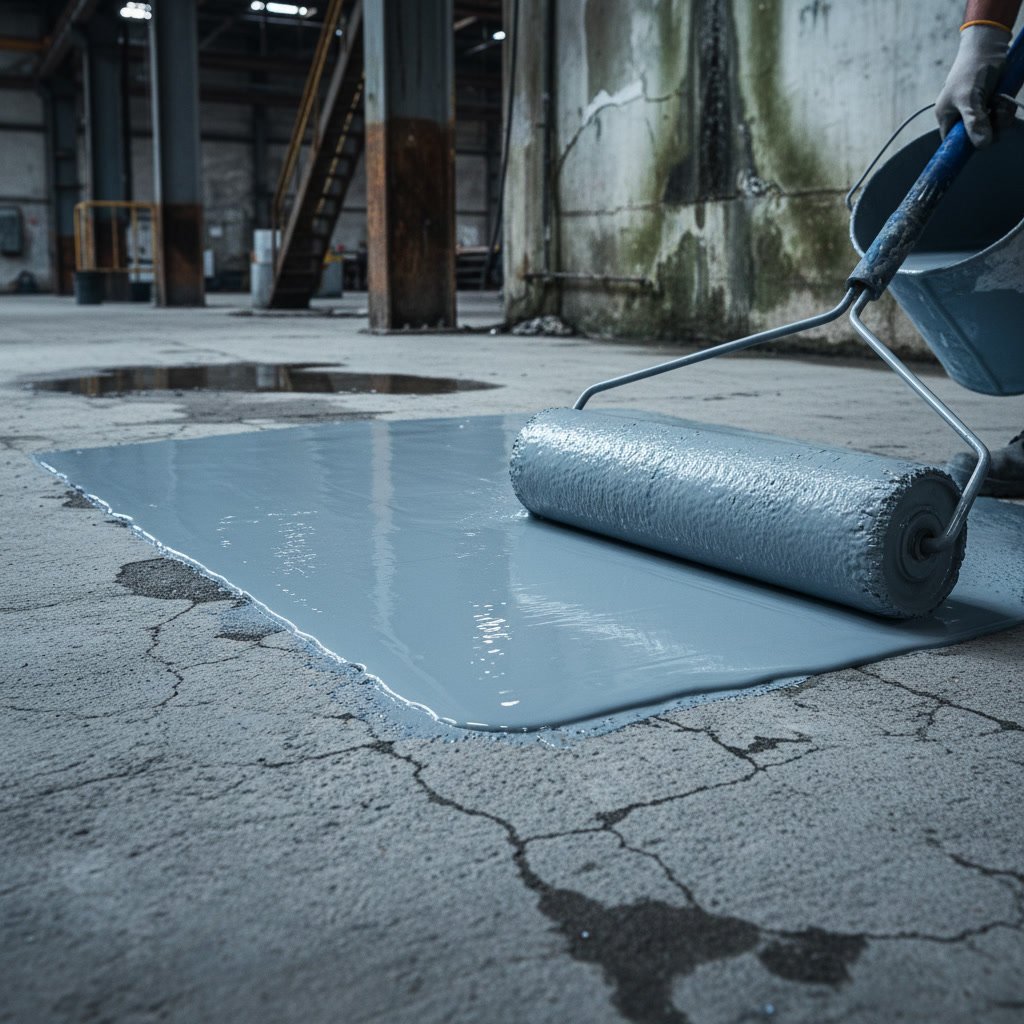
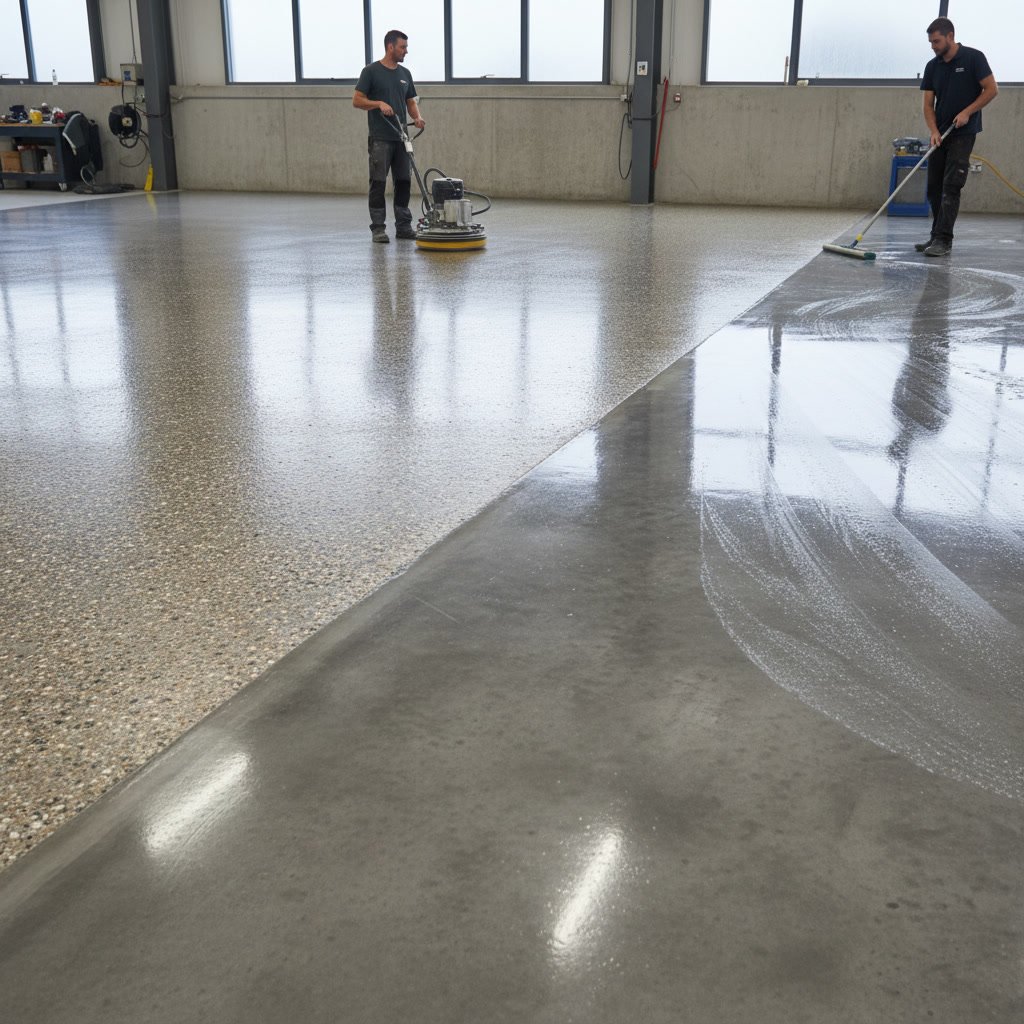
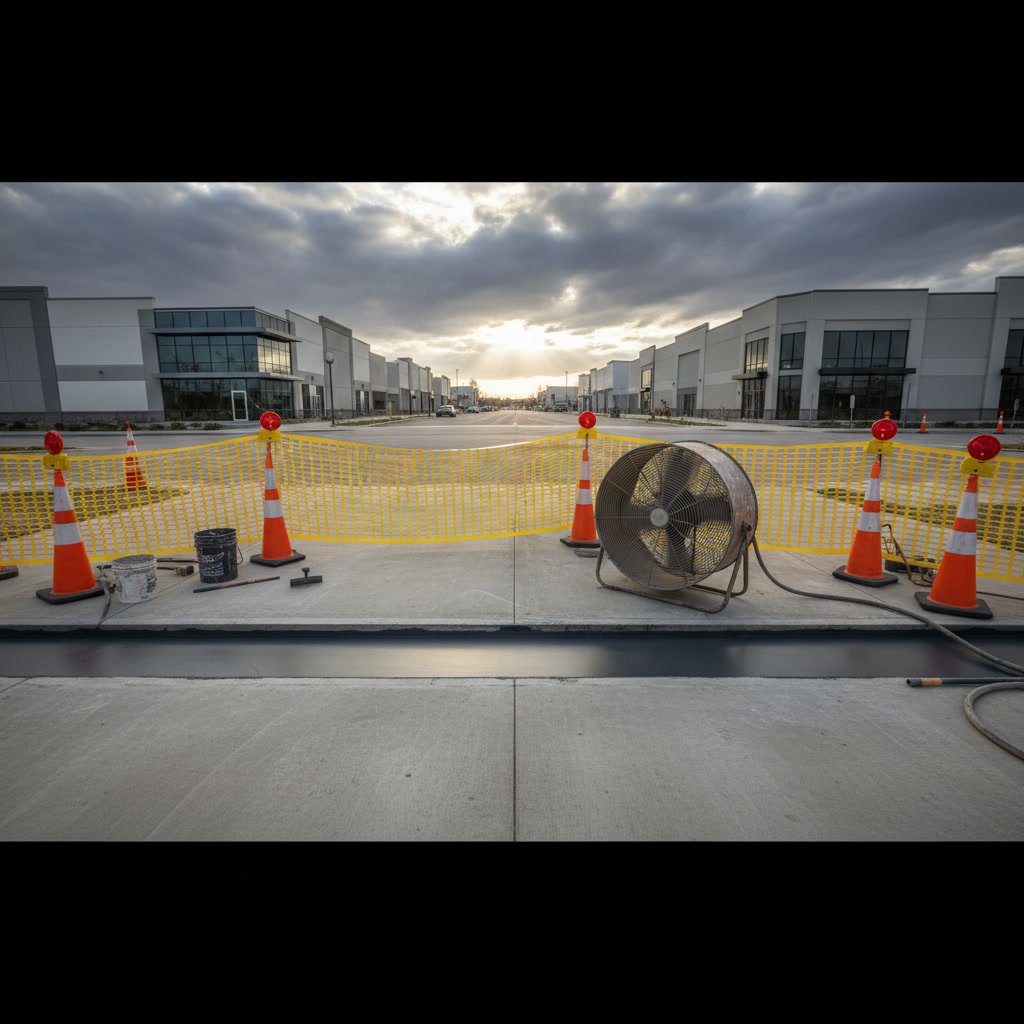
Joint filling often occurs as part of comprehensive floor renovation projects that include epoxy coatings or polished concrete installations. The sequence matters significantly for project success. Most contractors complete joint filling before applying floor coatings, allowing the coating system to seal over the filled joints and create a monolithic surface.
Some coating systems require joints to remain flexible and visible after installation. In these cases, contractors fill joints after coating application, carefully masking the coating edges and creating clean transitions. This approach works well with decorative systems where joint lines become design elements rather than weaknesses to hide.
Facilities undergoing concrete floor preparation for new coatings should address joint condition during the preparation phase. Damaged joints compromise the entire coating system, and addressing them early prevents callbacks and warranty issues. Similar to how proper surface profiling ensures coating adhesion, proper joint preparation ensures long-term floor system performance.
Specialized Equipment Professional Contractors Use
Professional joint filling requires equipment beyond what general contractors typically possess. Bulk dispensing systems with heated hoses maintain proper material temperature and viscosity, ensuring consistent application. These systems cost between 5,000 and 15,000 dollars and require trained operators who understand material behavior and troubleshooting.
Diamond blade joint saws cut precise, clean edges and remove damaged concrete without disturbing surrounding areas. Industrial vacuums with HEPA filtration capture silica dust generated during grinding and sawing, meeting OSHA requirements for worker safety. Moisture meters identify problem areas where water intrusion has occurred, guiding repair strategies.
Temperature and humidity monitoring equipment ensures environmental conditions support proper curing. Many materials have narrow application windows, and contractors must verify conditions before beginning work. This attention to detail separates professional installations from failed attempts by inexperienced contractors.
Maintenance and Expected Service Life
Properly installed joint filler systems last seven to 12 years in high-traffic commercial environments before requiring replacement. Retail spaces and light commercial applications often see 15 to 20 years of service. Regular inspections identify problems early, when simple repairs prevent major failures.
Cleaning joint surfaces during routine floor maintenance prevents debris buildup that can damage filler edges. Avoid using aggressive chemicals that degrade polyurea or epoxy materials. Most fillers tolerate standard commercial cleaning products, but highly acidic or caustic solutions can cause premature failure.
Edge damage from forklift impacts or heavy equipment represents the most common failure mode. Facilities with intensive vehicle traffic should inspect joints quarterly and address damage immediately. Small repairs cost hundreds of dollars while complete joint refilling projects can reach thousands depending on facility size.
Protecting Your Commercial Floor Investment
Expansion joint filling represents a critical maintenance investment that prevents exponentially more expensive structural repairs. Facilities that defer joint maintenance face water damage, slab settlement, and coating system failures that can cost tens of thousands of dollars to remedy. A proactive approach to joint care extends overall floor life and maintains safe working conditions.
The process requires specialized knowledge, proper materials, and professional equipment to achieve lasting results. While the upfront investment may seem significant, it prevents the hidden costs of premature floor failure and facility downtime. Commercial property managers and facility operators should schedule joint inspections annually and budget for maintenance before problems develop.
Alliance Epoxy Flooring Corp provides professional concrete expansion joint filler services throughout the tri-state area using advanced materials and proven installation methods. Our experienced team assesses your facility’s specific requirements and delivers solutions that protect your concrete investment for years to come. Contact us at +18005189080 to schedule a joint inspection and receive a detailed project proposal tailored to your facility’s needs.