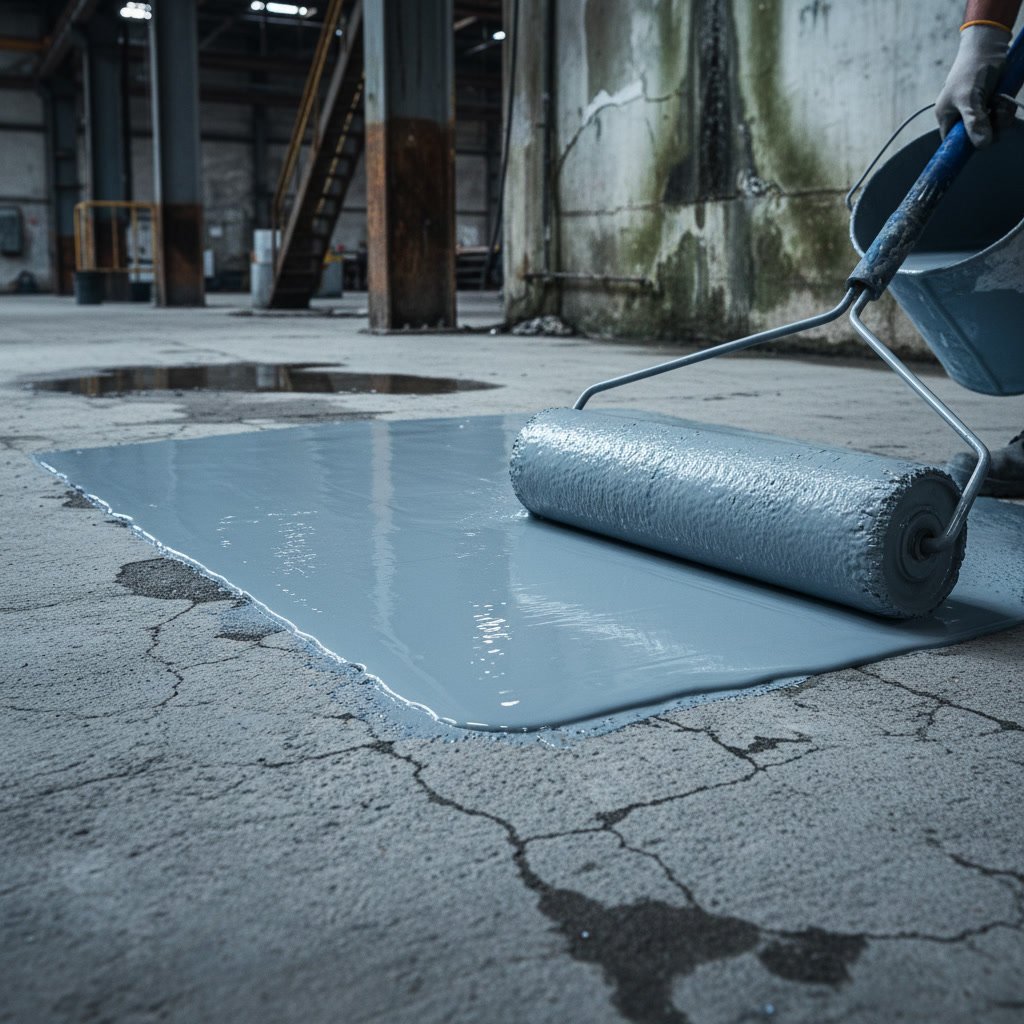
Commercial floors subjected to moisture infiltration can suffer severe structural damage, including cracked slabs, weakened foundations, and compromised load-bearing capacity. A floor waterproofing coating acts as a barrier that prevents water from penetrating concrete surfaces, protecting your building’s structural integrity and extending floor life by decades. Recognizing early warning signs allows you to address problems before they escalate into expensive repairs or safety hazards.
Most commercial property owners overlook subtle moisture indicators until visible damage appears. By that point, water has already compromised the concrete substrate, often requiring extensive remediation beyond simple coating application. Understanding what to watch for helps you make informed decisions about protective measures.
Why Moisture Poses a Serious Threat to Concrete Floors
Concrete appears solid and impermeable, but it actually contains a network of microscopic pores and capillaries. These pathways allow moisture to migrate through the slab, carrying dissolved salts and chemicals that degrade the concrete matrix over time. When water enters concrete, it weakens the calcium silicate hydrate bonds that give concrete its strength.
Temperature fluctuations make the problem worse. Water trapped inside concrete expands when it freezes, creating internal pressure that causes cracking and spalling. In commercial environments, daily temperature swings from refrigeration units, loading dock doors, or HVAC systems accelerate this freeze-thaw damage. Even in climate-controlled spaces, humidity variations drive moisture movement through concrete slabs.
Chemical reactions between moisture and embedded steel reinforcement create another risk. Rebar corrosion produces rust that expands to several times the original steel volume, generating enough force to crack thick concrete sections. Once cracking starts, more water enters, accelerating deterioration in a destructive cycle.
Visible Water Staining and Discoloration Patterns
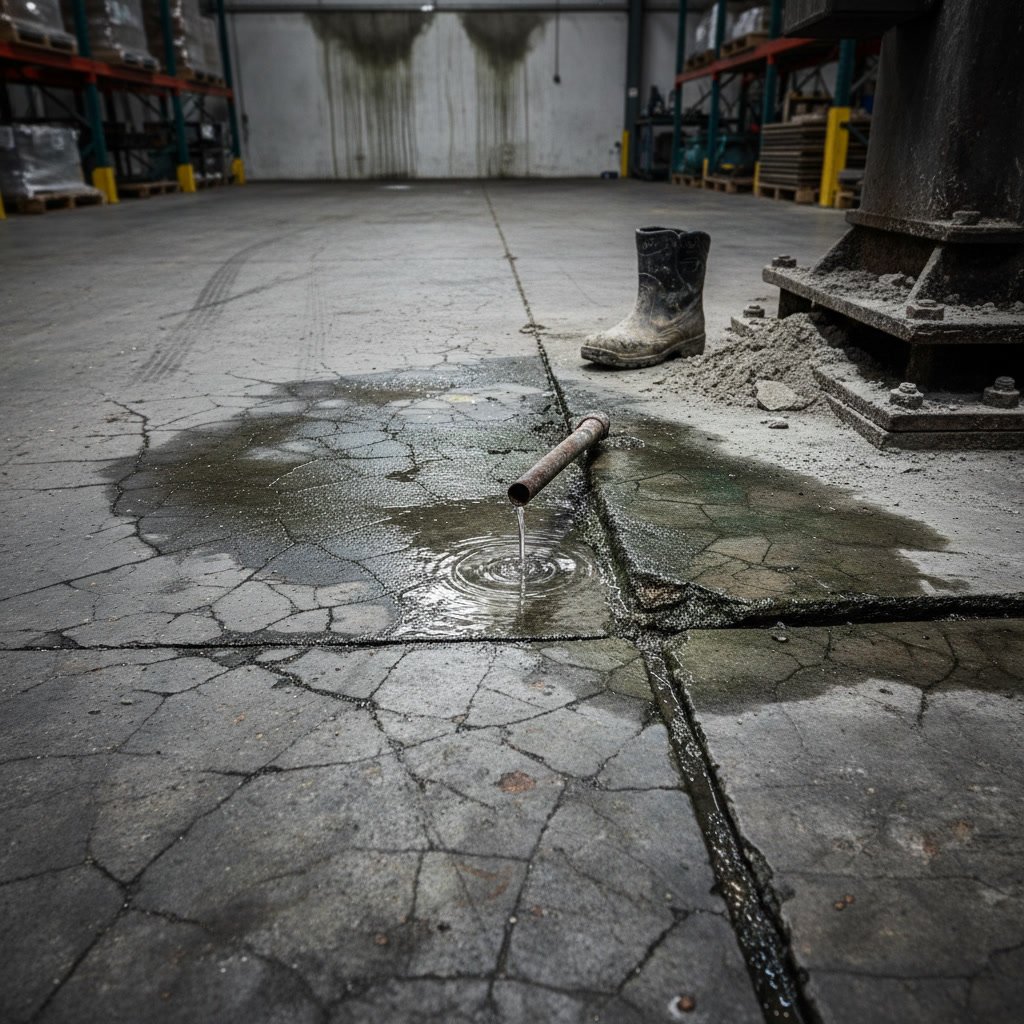
Dark patches, water rings, or discolored areas on your concrete floor indicate active moisture problems. These stains typically appear darker than surrounding concrete because water brings dissolved minerals to the surface as it evaporates. The minerals deposit on the floor, creating permanent discoloration that deepens with repeated wetting cycles.
Staining patterns reveal moisture sources. Uniform darkening across large areas suggests groundwater wicking up through the slab from below. Localized stains near walls point to lateral moisture intrusion from exterior grade or plumbing leaks. Streaks radiating from expansion joints show water traveling through compromised joint sealant.
Some facilities experience cyclical staining that appears and fades with seasonal humidity changes. This pattern indicates the concrete is absorbing atmospheric moisture during humid months and releasing it during dry periods. While less dramatic than constant wetness, this moisture cycling still causes gradual structural degradation.
White Powdery Deposits and Efflorescence Formation
Efflorescence appears as white, powdery, or crystalline deposits on concrete surfaces. This substance forms when water moves through concrete, dissolves soluble salts, and carries them to the surface where they crystallize as the water evaporates. The white powder is primarily calcium carbonate, sodium sulfate, or potassium sulfate leached from the concrete or surrounding soil.
Light efflorescence might seem purely cosmetic, but it signals active moisture migration. Heavy deposits indicate substantial water movement, meaning your concrete is continuously wet inside. Efflorescence itself does not damage concrete, but the moisture causing it does.
Repeated efflorescence cycles leave behind salt accumulations that prevent proper adhesion of future coatings. Professional concrete preparation must remove these deposits completely before applying protective systems. Ignoring efflorescence and coating over it leads to premature coating failure, as the salts continue to migrate and push the coating away from the substrate.
Surface Flaking, Spalling, and Concrete Delamination
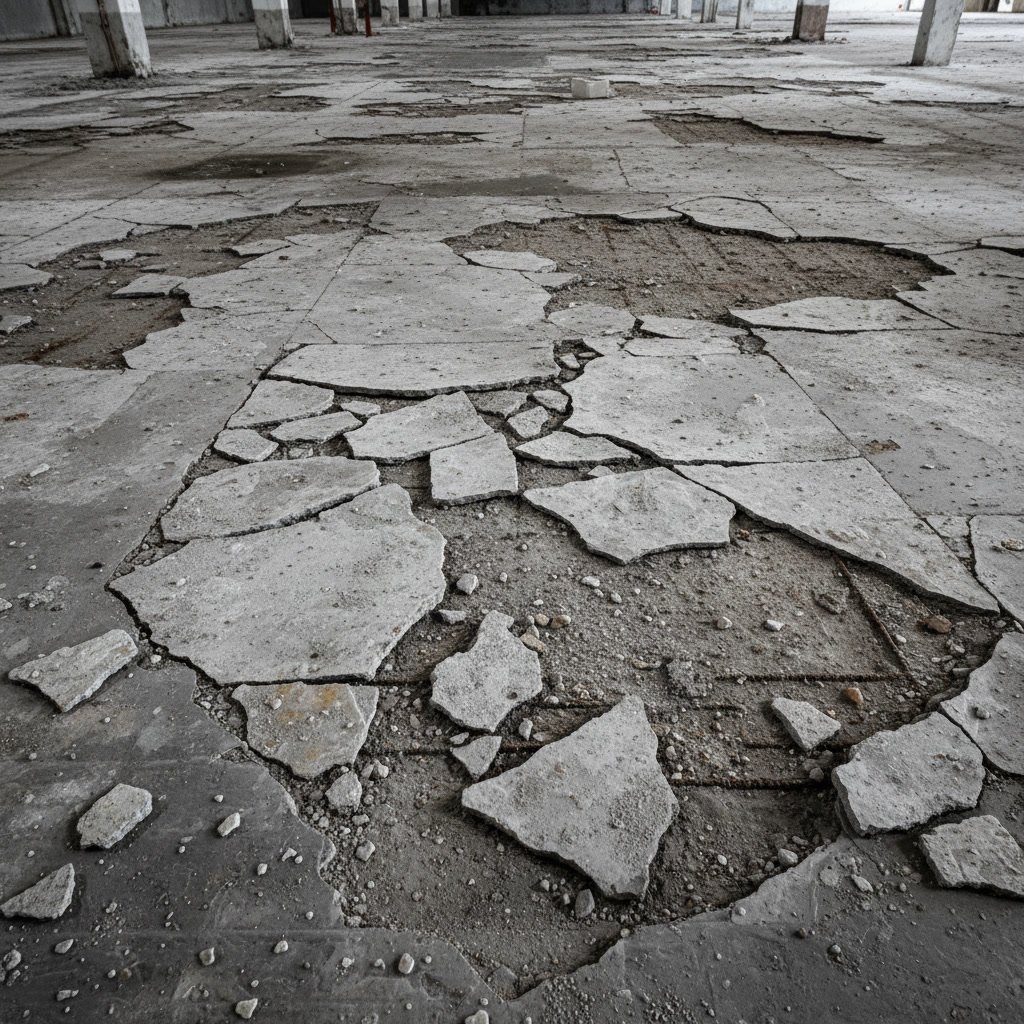
When concrete surfaces begin flaking or breaking apart in thin layers, the damage has progressed beyond surface level. Spalling occurs when internal moisture pressure or freeze-thaw cycles exceed the concrete’s tensile strength. Small pits and surface craters gradually expand into larger failures that expose aggregate and deeper concrete layers.
Delamination describes horizontal cracking below the surface that separates the top layer from the underlying slab. You can often detect delaminated areas by tapping the floor with a metal object. Solid concrete produces a clear ring, while delaminated sections sound hollow or dull. These hollow areas eventually crack through completely, creating trip hazards and allowing more moisture penetration.
High-traffic commercial environments accelerate spalling progression. Forklifts, pallet jacks, and heavy foot traffic apply mechanical stress to already weakened concrete, breaking off loose fragments. Once spalling starts, deterioration spreads rapidly outward from the initial failure point.
Musty Odors and Indoor Air Quality Problems
Persistent musty or earthy odors in your facility indicate moisture accumulation beneath or within your concrete floor. These smells come from mold, mildew, and bacteria growing in damp conditions. Even when visible mold does not appear on the surface, microbial growth can flourish in the concrete pore structure or in the soil below the slab.
Moisture vapor transmission through unprotected concrete floors increases indoor humidity levels. Higher humidity creates uncomfortable working conditions and damages inventory, especially hygroscopic materials like paper, cardboard, fabrics, and wood products. Electronics and precision equipment also suffer accelerated corrosion in humid environments.
Indoor air quality concerns extend beyond comfort. Mold spores and mycotoxins released from damp concrete can trigger respiratory issues, allergic reactions, and other health problems in employees and customers. Facilities housing sensitive populations like schools, medical offices, or food preparation areas face particular risk from moisture-related air quality degradation.
Coating Failures on Previously Treated Floors
Existing floor coatings that bubble, peel, or delaminate often indicate moisture problems rather than coating defects. Water vapor traveling upward through concrete creates pressure beneath impermeable coatings, pushing them away from the substrate. This phenomenon, called osmotic blistering, produces characteristic bubble patterns across the floor.
Moisture-related coating failures typically start in areas with highest vapor transmission. Corners, edges near exterior walls, and sections over underground utilities show problems first. As moisture levels rise seasonally, failure patterns spread across larger floor areas.
Not all coatings respond identically to moisture. Dense epoxy and polyurethane systems trap vapor more effectively than breathable sealers, making them more prone to osmotic failure on damp slabs. Alliance Epoxy Flooring Corp evaluates substrate moisture conditions before recommending appropriate waterproofing coating systems that address both protection and vapor management needs.
How Manhattan NY Commercial Facilities Face Unique Moisture Challenges
Commercial properties in Manhattan NY contend with specific moisture challenges stemming from dense urban construction, aging infrastructure, and high water tables. Below-grade spaces like basements and ground-level floors face hydrostatic pressure from surrounding soil and groundwater. Older buildings often lack vapor barriers beneath slabs, allowing unrestricted moisture transmission.
Urban heat island effects create temperature differentials that drive condensation on cooler floor surfaces. Combined with humidity from nearby water bodies and frequent precipitation, these conditions create ideal environments for moisture accumulation. Loading docks and service entrances compound the problem by repeatedly introducing water tracked in from streets.
Many Manhattan facilities operate 24 hours with limited maintenance windows. Moisture problems go undetected longer in round-the-clock operations because routine inspections may be neglected. High property values and dense occupancy make downtime for major repairs extremely costly, emphasizing the importance of proactive waterproofing.
Testing Methods to Confirm Moisture Problems Before They Worsen
Professional moisture testing quantifies vapor emission rates and internal humidity levels. The calcium chloride test measures moisture vapor transmission over 72 hours, expressed in pounds per 1,000 square feet per 24 hours. Results above three pounds indicate moisture levels incompatible with most coating systems and warrant waterproofing intervention.
In-situ relative humidity testing uses probes inserted into drilled holes at 40% of the slab depth. This method measures internal concrete humidity, providing more accurate long-term moisture assessment than surface tests. Readings above 75% relative humidity signal elevated moisture that can damage coatings and promote microbial growth.
Plastic sheet testing offers a simple preliminary assessment. Tape a two-foot square plastic sheet tightly to the floor and check after 24 hours. Condensation on the sheet’s underside or darkened concrete beneath indicates active moisture transmission requiring professional evaluation. While not quantitative, this test quickly identifies problem areas needing further investigation.

Comparing Waterproofing Solutions for Different Commercial Applications
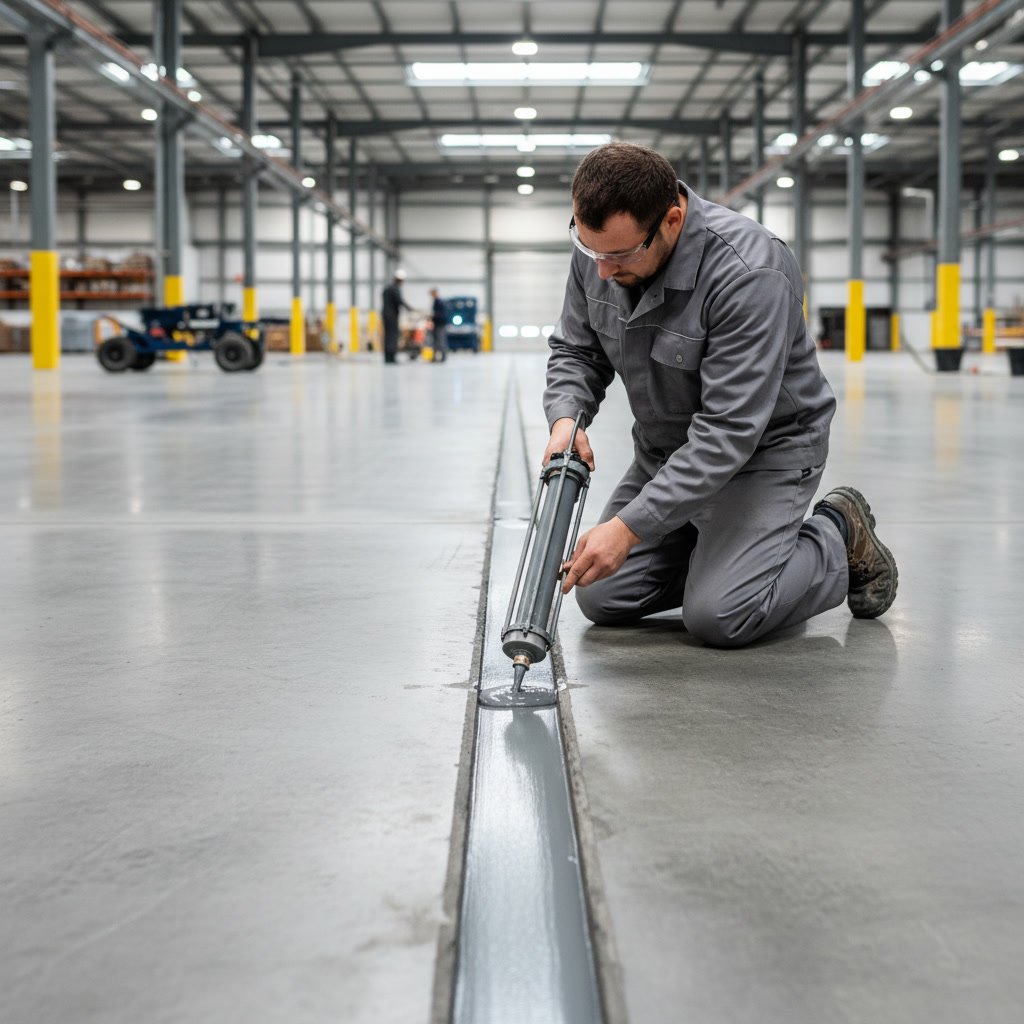
Several waterproofing approaches suit different moisture conditions and facility requirements. Surface-applied membrane systems create impermeable barriers that stop water at the floor surface. These work well for moderate moisture and areas requiring chemical resistance, such as the industrial floors found in manufacturing plants and warehouses.
Penetrating sealers react chemically with concrete to fill pores and capillaries without forming a surface film. These products allow vapor transmission while blocking liquid water, making them suitable for slabs with hydrostatic pressure that would damage film-forming coatings. They provide permanent protection that does not require reapplication.
Multi-layer coating systems combine different materials to address both waterproofing and performance needs. A moisture-tolerant primer seals the substrate, followed by body coats that build thickness and provide chemical resistance, then topped with wear-resistant layers. This approach offers the most comprehensive protection for demanding commercial environments.
Specialty systems like polyurea and polyaspartic coatings cure rapidly and develop excellent moisture resistance. These advanced chemistries can be applied even on slabs with higher moisture content than traditional epoxies tolerate. Fast cure times minimize downtime, a critical advantage for facilities that cannot afford extended closures.
The Relationship Between Proper Drainage and Coating Longevity
Even the best waterproofing coating performs poorly if external drainage issues remain unaddressed. Grading that slopes toward the building directs water against foundation walls, increasing hydrostatic pressure on floor slabs. Clogged perimeter drains allow water accumulation around footings, raising groundwater levels beneath slabs.
Interior drainage matters equally. Floors in kitchens, restrooms, and wash areas need proper slope to drains so water does not pond on surfaces. Standing water eventually finds pathways through joints and cracks, regardless of coating quality. Floor drains must function correctly, with trap primers maintaining water seals that prevent sewer gases from entering occupied spaces.
Mechanical equipment condensate lines sometimes discharge onto floors, creating localized wet areas that accelerate coating degradation. Redirecting these drains and installing proper condensate pumps eliminates moisture sources that compromise floor protection. Addressing root causes rather than just symptoms ensures waterproofing investments deliver maximum value.
Protecting Your Investment With Professional Assessment and Application
Commercial floor waterproofing requires more than applying a product. Proper execution demands accurate moisture assessment, appropriate system selection, thorough substrate preparation, and skilled installation. Shortcuts at any stage lead to premature failure and wasted investment.
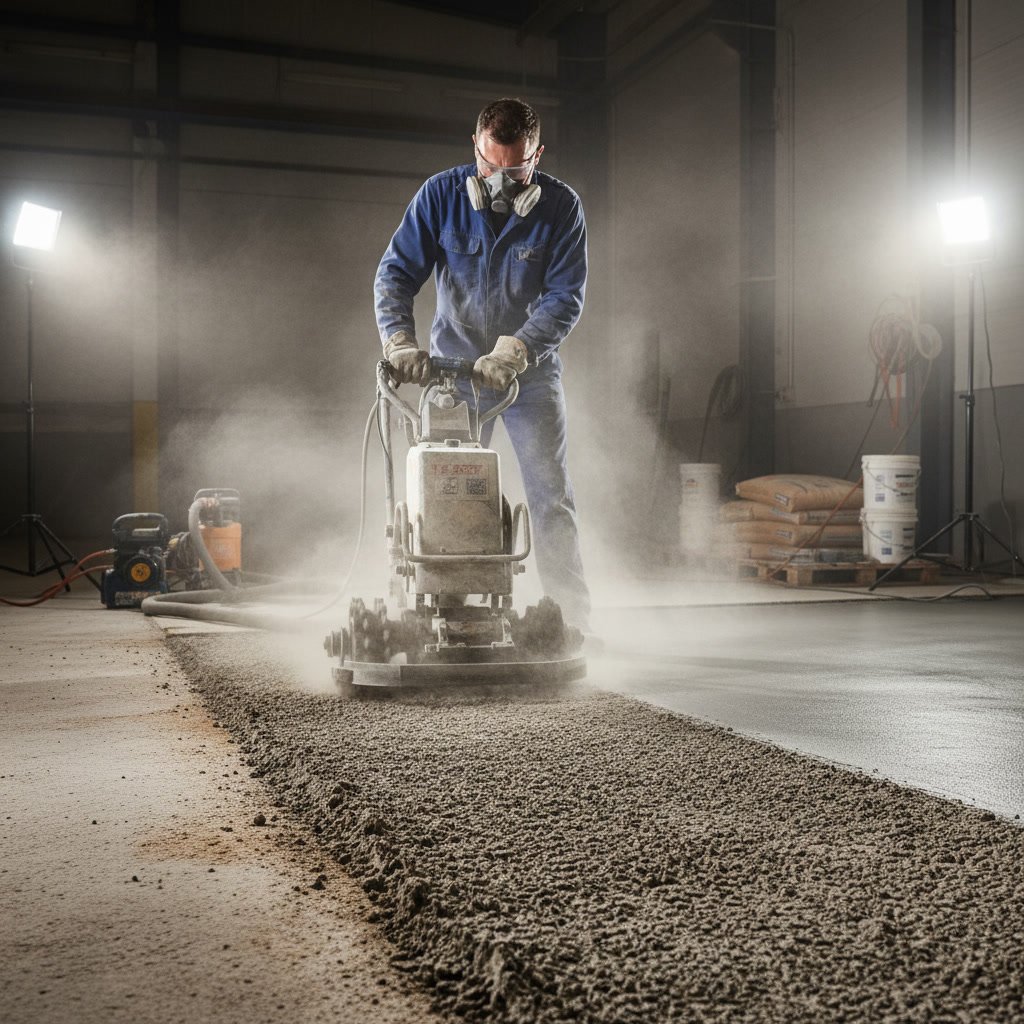
Substrate preparation determines coating success. Contaminated or poorly prepared concrete prevents proper adhesion regardless of coating quality. Professional contractors use mechanical methods like grinding and shot blasting to remove surface contaminants and open concrete pores for optimal bonding. This preparation work often represents 50% or more of project labor but directly determines long-term performance.
System compatibility matters when waterproofing floors with existing coatings or adjacent to different materials. Not all products bond to every substrate, and chemical incompatibilities can cause failures. Experienced contractors test adhesion and compatibility before full application, avoiding costly mistakes. They also understand how environmental conditions during installation affect cure rates and final properties.
Ensuring Long-Term Protection for Your Commercial Property
Recognizing moisture warning signs early prevents minor issues from becoming structural emergencies. Water damage progresses gradually, giving property owners time to implement solutions before facing expensive repairs. Regular inspections focusing on the indicators discussed above help you stay ahead of potential problems.
Professional waterproofing extends floor service life by decades while protecting the structural integrity of your entire building. The investment in quality protective systems pays returns through reduced maintenance costs, eliminated emergency repairs, and preserved property values. Facilities ranging from warehouses and loading docks to medical centers and retail spaces benefit from moisture protection tailored to their specific conditions.
Alliance Epoxy Flooring Corp brings extensive experience evaluating commercial moisture conditions across diverse facility types. Our technical team can assess your floor’s current condition, identify moisture sources, and recommend proven solutions that address both immediate concerns and long-term protection needs. Whether your facility operates in Manhattan, across New Jersey, or throughout the tri-state region, professional waterproofing safeguards your investment against the hidden damages moisture causes.
If you have noticed any warning signs discussed in this article, contact our team at +18005189080 for a comprehensive floor assessment. We will evaluate your specific conditions, explain available options, and develop a waterproofing strategy that protects your property and fits your operational requirements.